

Introduction
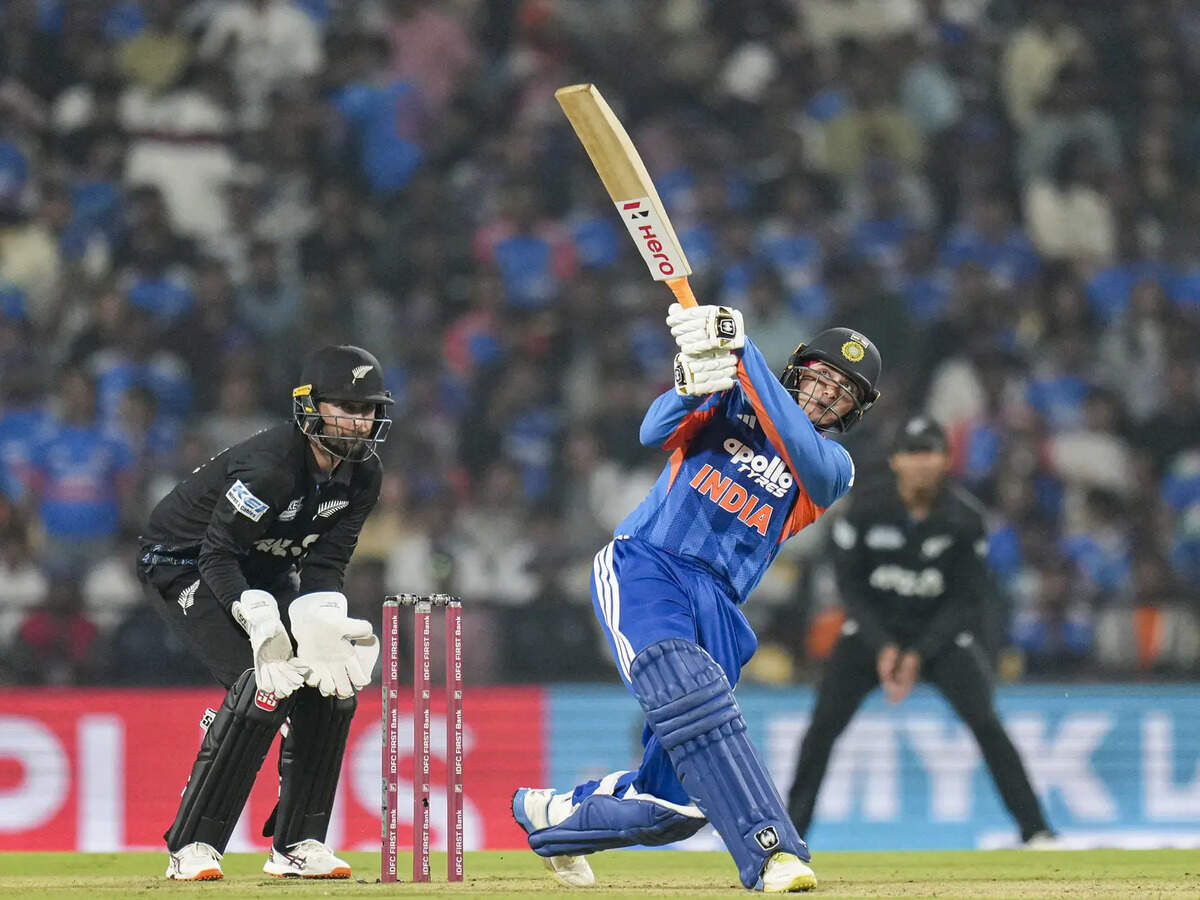
India vs New Zealand is one of the most interesting matchups in international cricket, bringing together two teams with different playing styles, proud traditions, and a strong desire to succeed. India is widely recognized for its batting depth, spin options, and passionate cricket following, while New Zealand has earned respect for its disciplined approach, adaptable players, and competitive team spirit. Whenever these sides meet, fans look forward to a contest that can feature exciting batting, clever bowling, and important tactical decisions.
The rivalry extends across Test matches, One Day Internationals, and Twenty20 Internationals. Each format creates a different challenge, requiring teams to balance patience, aggression, and consistency. Their meetings have produced memorable performances and significant results in major tournaments. Understanding the history, strengths, conditions, and strategies behind India vs New Zealand helps cricket enthusiasts appreciate why these encounters remain important to international cricket.
The History of India vs New Zealand Cricket Matches
India and New Zealand have shared an international cricket rivalry for decades. Their first Test meeting took place in 1955, beginning a sporting relationship that has developed through numerous tours, bilateral series, and international tournaments. Over time, both teams have experienced periods of dominance, rebuilding, and outstanding individual achievement.
India has traditionally benefited from its strong batting culture, talented spinners, and large pool of competitive cricketers. New Zealand, meanwhile, has often relied on disciplined bowling, athletic fielding, and a collective approach to difficult situations. These differences make their encounters fascinating because success frequently depends on which side adapts more effectively.
Their rivalry has become particularly compelling in major International Cricket Council competitions. New Zealand has demonstrated that preparation and composure can overcome expectations, while India has repeatedly shown its ability to recover from challenging situations. Their contests remind supporters that reputation alone cannot determine the result of a cricket match.
India vs New Zealand Across Different Cricket Formats
Test cricket places the greatest emphasis on patience, technique, and endurance. Batters must negotiate extended spells of accurate bowling, while bowlers need consistency and tactical discipline. When India visits New Zealand, seam movement and changing weather conditions can challenge Indian batters. When New Zealand plays in India, spin and slower surfaces can demand different technical adjustments.
One Day International cricket creates a balance between traditional batting methods and controlled aggression. Teams must build partnerships, preserve wickets, and accelerate scoring at appropriate moments. India often seeks to establish a strong batting platform before attacking, while New Zealand can use flexible batting positions and effective bowling changes to disrupt that plan.
Twenty20 International cricket offers a more explosive contest. Every over can change the direction of a match, making power hitting, innovative shot selection, and accurate death bowling especially important. Captains must make quick decisions because a brief period of poor execution can significantly affect the result.
These three formats also test different aspects of team depth. A side may have an excellent group of aggressive batters but lack the patience needed for Test cricket. Another team may perform consistently in longer matches yet struggle when required to score quickly. Consequently, India vs New Zealand remains an engaging contest regardless of the format.
India vs New Zealand: Recent Matches and Current Series
Recent encounters illustrate how quickly momentum can shift between these teams. Their first T20 International of the October 2026 tour produced a high-scoring contest in Christchurch. New Zealand scored 225 for four, but India chased the target successfully, reaching 230 for six in 19.4 overs and winning by four wickets. Sanju Samson contributed 67 runs from 33 deliveries, while India’s lower-order contributions helped complete the chase.
That result demonstrated the importance of maintaining composure during a demanding run chase. Even a total exceeding 220 does not guarantee victory in modern T20 cricket when the opposition has aggressive batters and sufficient wickets remaining.
The 2026 tour includes five T20 Internationals, five ODIs, and two Test matches. The schedule moves across several New Zealand venues, providing different conditions and tactical challenges for both teams.
For supporters, following the complete series offers a broader picture than concentrating on one result. T20 performances reveal immediate attacking ability, ODIs test consistency over a longer innings, and Tests provide insight into technique, endurance, and sustained pressure management.
Key Indian Players to Watch
India’s success against New Zealand often depends on contributions from several departments rather than one outstanding performer. Top-order batters are particularly important because they establish the scoring rate and determine how much freedom the middle order receives.
Aggressive opening batters can put pressure on New Zealand’s seamers by attacking loose deliveries early. However, they must also recognize when conditions require patience. In New Zealand, the ball can move in the air or after pitching, so leaving difficult deliveries and selecting scoring opportunities carefully may be just as valuable as hitting boundaries.
Middle-order batters provide stability when early wickets fall. Their ability to rotate the strike, build partnerships, and accelerate later becomes especially significant in ODI and T20 cricket. Experienced players can also help younger teammates manage pressure during close finishes.
Indian bowlers have equally important responsibilities. Fast bowlers must maintain accuracy while exploiting movement, and spinners need to vary their pace and trajectory. All-rounders provide additional flexibility by allowing the captain to adjust the bowling combination without weakening the batting lineup.
Fielding can make a decisive difference as well. Saving boundaries, completing difficult catches, and preventing quick singles help reduce the opposition’s scoring opportunities. Against a competitive New Zealand side, small contributions can become crucial during the final overs.
New Zealand’s Strengths and Match-Winning Approach
New Zealand has built a reputation for producing disciplined cricketers who understand their roles and remain competitive under pressure. Rather than depending entirely on individual brilliance, the team often emphasizes preparation, partnerships, and collective responsibility.
Its fast bowlers can be particularly effective when conditions offer seam movement or bounce. Consistent lines and lengths encourage batters to make difficult decisions, while changes in pace and bowling angles can create opportunities for wickets. On helpful surfaces, New Zealand’s pace attack can make even experienced opponents uncomfortable.
The batting lineup also requires careful attention. New Zealand batters can combine conventional stroke play with aggressive options, adapting their approach according to the target and match situation. A steady partnership can restore control after early wickets, while an explosive finish can transform an average total into a challenging one.
Spin bowling offers another important dimension. New Zealand’s spinners can slow scoring, exploit changes in surface conditions, and force batters to take risks. In shorter formats, their ability to bowl accurately during the middle overs can prevent India from building the momentum it needs.
Teamwork remains a major strength. Strong communication, energetic fielding, and sensible captaincy can compensate for differences in resources or individual experience. Against India, New Zealand generally needs to maintain discipline while identifying opportunities to attack rather than allowing the opposition to settle comfortably.
How Pitch and Weather Conditions Influence the Contest
Playing conditions frequently influence the outcome of India vs New Zealand matches. A cricket pitch is never simply a background feature; its characteristics affect batting technique, bowling strategy, and the captain’s decisions before and during the game.
New Zealand’s pitches can provide assistance to fast bowlers, particularly when atmospheric conditions encourage swing or when the surface offers movement. Indian batters may need to play closer to their bodies, avoid unnecessary drives away from the body, and build confidence before attempting ambitious strokes.
Indian pitches can present a different examination. Some grounds offer good batting conditions, while others provide assistance to spinners as the match progresses. New Zealand’s batters must adjust their footwork, judge the length carefully, and avoid allowing slower bowlers to dictate every scoring opportunity.
Weather also matters. Cloud cover, humidity, wind, and interruptions can change how a match develops. In limited-overs cricket, rain may reduce the number of available overs and alter the target through the applicable calculation method. In Test cricket, lost playing time can make it harder for a team to force a result.
Toss decisions therefore depend on the venue, forecast, pitch report, and format. Choosing to bat first may provide an opportunity to build a substantial total, whereas bowling first can be attractive when conditions are expected to help the seamers. There is no universal rule that guarantees the correct decision.
Important Rivalry Moments and Tournament Pressure
India vs New Zealand has produced several memorable encounters in major international competitions. Their meetings in global tournaments have attracted attention because the stakes are often higher than those of an ordinary bilateral match.
One of the most significant examples came during the 2019 Cricket World Cup semifinal. New Zealand defeated India in a rain-affected match completed over two days, securing a place in the final. The result highlighted how a carefully defended total, disciplined bowling, and timely wickets can overcome a highly regarded batting lineup.
The teams also met in the inaugural World Test Championship final in 2021. New Zealand won the title after a closely contested match in Southampton, demonstrating its ability to handle the strategic demands of Test cricket at the highest level.
These results have helped shape the modern rivalry. They show that India cannot rely solely on batting depth or public expectations, while New Zealand must continue delivering consistent performances against a side with considerable resources.
Major tournaments create additional psychological pressure. Players must manage expectations, avoid panic after setbacks, and remain focused on the next delivery rather than the overall importance of the occasion. Often, the team that executes its plans most consistently gains the advantage.
What Makes India vs New Zealand Exciting for Fans?
The appeal of India vs New Zealand extends beyond scorecards. Supporters enjoy watching different cricketing philosophies compete, particularly when an aggressive Indian batting lineup faces New Zealand’s organized bowling attack.
The contest can also produce close finishes. A demanding chase, a sudden collapse, or a late partnership can change the result within a few overs. These unpredictable moments encourage fans to follow every development rather than assume that one team’s early advantage will determine the outcome.
For Indian supporters, matches provide opportunities to celebrate emerging talents, experienced performers, and impressive team recoveries. New Zealand fans value their team’s determination, tactical intelligence, and ability to challenge stronger opponents in difficult conditions.
How to Follow India vs New Zealand Match Updates
Following India vs New Zealand becomes more enjoyable when supporters understand the main statistics and match developments. The score alone cannot explain the full story, so it is useful to pay attention to partnerships, wickets in hand, required run rate, bowling figures, and remaining overs.
During a T20 match, the powerplay score and performance in the final overs often reveal whether a team is building a competitive total. In ODIs, middle-over partnerships and the ability to accelerate during the final stages can be equally important. Test cricket requires a broader perspective, including the number of wickets remaining, batting time, pitch deterioration, and the match situation.
Supporters should also distinguish confirmed results from predictions and unofficial reports. Official scorecards provide reliable information about runs, wickets, overs, and individual performances. Checking verified updates helps prevent confusion when a match is interrupted or its schedule changes.
Conclusion
India vs New Zealand remains a compelling international cricket rivalry because it combines technical skill, tactical intelligence, team discipline, and exciting competition. India’s batting depth and varied bowling resources meet New Zealand’s organized approach and adaptability, creating challenging contests across all three formats. Pitch conditions, weather, partnerships, and pressure management can influence the outcome just as much as individual talent.
The October 2026 tour provides another opportunity to observe these qualities across T20 Internationals, ODIs, and Test matches. For supporters, understanding the history, player contributions, and strategic decisions makes every encounter more meaningful. Whether following a dramatic run chase or a closely fought Test, cricket enthusiasts can appreciate why India vs New Zealand continues to attract attention and deliver memorable sporting moments.

