

Introduction
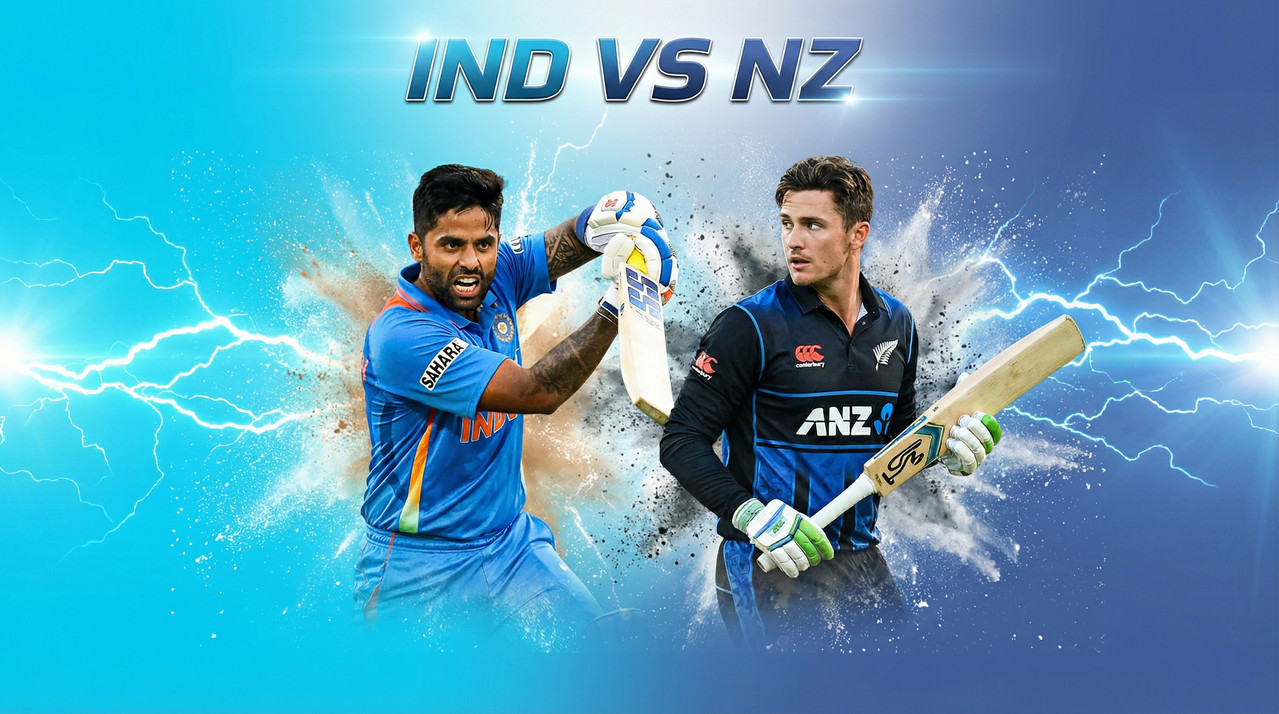
IND vs NZ is a popular cricket matchup that attracts fans whenever India and New Zealand compete across international formats. Both teams have developed strong cricketing traditions, produced exceptional players, and delivered memorable performances in Test matches, One Day Internationals, and Twenty20 Internationals. Their contests often combine India’s batting depth and spin options with New Zealand’s disciplined bowling, adaptable tactics, and team-oriented approach. Although individual players can influence a match, preparation, conditions, and decision-making frequently determine the final result.
For cricket followers, understanding IND vs NZ involves more than checking the score. The rivalry offers interesting lessons about batting techniques, bowling plans, field placements, pressure management, and the importance of partnerships. Historical meetings also show that reputations alone cannot guarantee victory. India may enter a contest with considerable home support, while New Zealand can challenge established expectations through patience and intelligent execution. Examining their cricketing backgrounds, playing styles, important competitions, and tactical choices helps readers appreciate why this fixture remains relevant to international cricket audiences.
The History of IND vs NZ Cricket
India and New Zealand have competed in international cricket for decades, creating a rivalry shaped by different conditions and contrasting approaches. Their meetings in Test cricket have tested endurance and technique, while their limited-overs matches have highlighted scoring strategies, bowling variations, and fielding standards. Across generations, both countries have changed their teams, introduced new talent, and adapted to evolving formats without losing their distinctive cricketing identities.
India has traditionally enjoyed substantial batting resources and a large pool of players competing for international places. New Zealand, meanwhile, has frequently built competitive sides around consistency, versatility, and collective responsibility. These broad tendencies are not fixed rules, but they help explain some of the tactical differences supporters notice during IND vs NZ encounters.
Major tournaments have added further significance to this rivalry. World Cup matches, international finals, and other high-pressure contests can carry consequences beyond a single bilateral series. Such occasions test preparation as well as temperament, because players must respond to expectations, changing conditions, and opposition tactics while remaining focused on the immediate delivery.
Why IND vs NZ Matches Attract Attention
The popularity of IND vs NZ comes from the possibility of a closely contested game between teams with different strengths. Indian supporters often look for commanding batting performances, effective spin bowling, and partnerships that build pressure on opponents. New Zealand supporters value disciplined execution, smart fielding, and the ability to remain competitive when the situation becomes difficult.
The matchup is also appealing because it can develop in several ways. A high-scoring ODI may feature aggressive batting followed by a tense chase, whereas a Test match can turn through patient batting, reverse swing, spin, or changing pitch conditions. In T20 cricket, a few overs may dramatically alter the balance. This variety encourages viewers to assess the format before predicting how either team might perform.
For neutral audiences, the fixture offers a useful comparison of cricketing philosophies. It demonstrates how planning, adaptability, and composure can matter as much as individual reputation. Even when one side appears stronger on paper, execution during the match remains essential.
India’s Strengths in the IND vs NZ Contest
India can draw on considerable batting depth, technical variety, and experience across international cricket. Depending on the selected squad, the batting lineup may combine players who build innings carefully with those capable of accelerating against pace or spin. This flexibility is valuable because teams must adjust their approach to the required scoring rate, available wickets, and conditions.
India’s bowling resources can also provide several options. Fast bowlers may exploit movement with the new ball, while spinners can influence the middle overs or challenge batters on turning surfaces. A balanced attack gives the captain different ways to respond when partnerships develop or scoring slows.
Home conditions can sometimes strengthen India’s position, particularly when the pitch offers assistance to spin bowling. However, home advantage is not automatic. Batters still need to judge the surface correctly, bowlers must maintain accuracy, and fielders must convert opportunities. Against New Zealand, India’s success often depends on turning its available resources into a coordinated performance rather than relying on reputation alone.
New Zealand’s Strengths Against India
New Zealand has earned respect for its disciplined approach, flexible selection, and ability to compete in challenging circumstances. Its players often emphasize clear roles, consistent bowling lines, intelligent field settings, and partnerships built around the match situation. These qualities can be especially important against a strong Indian lineup, where loose deliveries may quickly become scoring opportunities.
New Zealand’s seam bowlers can become influential when conditions provide swing, seam movement, or extra bounce. Their effectiveness depends on the surface, weather, and the ability to maintain pressure over consecutive overs. Batters can also use sensible shot selection and quick running to keep the scoreboard moving without taking unnecessary risks.
Adaptability is another important strength. New Zealand teams have often needed to adjust to overseas conditions, unfamiliar pitches, and demanding crowds. That experience can help players prepare for different challenges, although outcomes still depend on the squad available and the performance delivered on the day. Against India, disciplined execution can prevent the opposition from settling into a comfortable rhythm.
Important Players and Their Match Impact
IND vs NZ discussions naturally focus on established stars and emerging international cricketers. India’s impact players may include top-order batters who establish a platform, middle-order finishers who accelerate late, fast bowlers who strike early, and spinners who control the middle overs. New Zealand’s influential players may include technically sound batters, versatile all-rounders, accurate seamers, and fielders capable of creating opportunities through sharp work.
Player availability changes from series to series, so supporters should distinguish historical achievements from current selection news. A famous name may be unavailable because of injury, workload management, or team strategy. Similarly, a younger player can become decisive after earning a place through strong performances.
Individual matchups can be particularly revealing. A batter’s ability to handle left-arm pace, wrist spin, or short-pitched bowling may influence the captain’s plan. Likewise, a bowler’s control against a powerful hitter can shape the middle overs. These contests are most meaningful when considered alongside pitch conditions, the match format, and the roles assigned to each player.
Understanding the IND vs NZ Head-to-Head Record
Head-to-head statistics provide useful context for evaluating India and New Zealand, but their meaning depends on the format and period being considered. India’s overall record has generally been stronger in limited-overs cricket, while New Zealand has demonstrated its ability to challenge India in important tournaments and demanding Test conditions. Historical figures should always be checked against the latest completed matches because records change as new games are played.
The following table highlights important differences between the formats rather than presenting potentially outdated totals as permanent facts.
| Cricket format | Main challenge | Important tactical factor |
|---|---|---|
| Test cricket | Sustaining performance over several days | Patience, pitch reading, and bowling endurance |
| One Day Internationals | Balancing steady scoring with acceleration | Partnerships, middle-over control, and finishing |
| T20 Internationals | Scoring quickly while protecting wickets | Powerplay performance, matchups, and death bowling |
These distinctions explain why success in one format does not automatically predict success in another. A team that excels in T20 cricket may need a different approach to win a five-day Test. Supporters comparing IND vs NZ statistics should consider match conditions, opposition strength, venue, and the time period covered by the figures.
The Importance of Pitch and Weather Conditions
Pitch conditions can significantly influence an IND vs NZ match. Indian grounds may offer surfaces that assist spin as a game progresses, although conditions vary considerably between venues. Some pitches provide consistent bounce and encourage stroke play, while others reward batters who show patience and choose their scoring areas carefully.
In New Zealand, certain grounds can offer movement for seam bowlers, particularly when atmospheric conditions are helpful. Cloud cover and moisture may assist swing, while bounce can challenge batters who are accustomed to different surfaces. Nevertheless, not every New Zealand pitch behaves identically, and teams must evaluate the actual conditions rather than rely on assumptions.
How Match Strategies Differ Across Formats
In Test cricket, IND vs NZ encounters often revolve around patience, sustained pressure, and the ability to exploit small weaknesses. Batters must judge when to defend, when to attack, and how to manage concentration over long periods. Bowlers need consistent plans, appropriate lengths, and enough stamina to maintain pressure across multiple spells.
ODI cricket requires a different balance. Teams must preserve wickets while building a competitive total or maintaining control during a chase. The middle overs can become particularly important because economical bowling may restrict scoring, while a well-timed partnership can establish a strong platform for the final overs.
T20 matches place greater emphasis on rapid decisions. Captains must select bowling matchups carefully, batters need to assess risks quickly, and fielders have fewer opportunities to recover from mistakes. Powerplay runs, boundary prevention, and death-over execution can determine the outcome. Across all three formats, successful teams remain flexible rather than following one rigid plan.
The Significance of Recent IND vs NZ Results
Recent results help explain the current direction of a rivalry, especially when teams have changed their lineups or coaching approaches. However, a single victory does not establish lasting superiority. Supporters should examine the quality of the opposition, the venue, player availability, and the circumstances in which a result occurred.
For example, the first T20I of India’s New Zealand tour in October 2026 provided a striking illustration of the format’s unpredictability. New Zealand scored 225 for four, but India chased the target successfully, reaching 230 for six in 19.4 overs and winning by four wickets. Sanju Samson scored 67 from 33 deliveries, while Naman Dhir contributed an unbeaten 42 from 15 balls. The result highlighted the importance of batting depth and finishing under pressure. <Cite refs={[“turn326250search0”]}/>
Such performances are useful examples of how quickly a T20 contest can change. Even a substantial total may not be enough when the chasing side starts aggressively and retains players capable of accelerating late in the innings. For accurate updates, readers should consult official match centres for confirmed scores, playing elevens, and series standings.
How Fans Can Follow IND vs NZ Matches
Fans following IND vs NZ can use official cricket websites, broadcaster coverage, and reputable sports platforms to obtain reliable information. Live scorecards usually display runs, wickets, overs, run rates, batting statistics, bowling figures, and partnership details. These figures help viewers understand whether a team is controlling the game or facing increasing pressure.
Before a match, checking the scheduled start time, venue, squad announcement, and weather forecast can provide useful context. During the game, the toss and confirmed playing elevens may explain changes in strategy. Afterward, the scorecard and post-match report help readers identify the main contributions and turning points.
It is also helpful to distinguish confirmed information from predictions. Projected totals, possible lineups, and pre-match opinions can be interesting, but they are not guarantees. Following official updates reduces confusion and ensures that readers do not mistake speculation for a confirmed result.
Conclusion
IND vs NZ remains an engaging international cricket rivalry because India and New Zealand bring different strengths, tactical approaches, and competitive traditions to the field. India’s batting depth and varied bowling resources can create significant pressure, while New Zealand’s discipline, adaptability, and seam-bowling options can challenge even experienced opponents. Pitch conditions, player availability, partnerships, and decision-making all influence the outcome.
Understanding the rivalry requires looking beyond isolated scores and famous performances. Historical records provide context, recent results reveal current trends, and format-specific strategies explain why the same teams can produce very different contests. By following reliable scorecards, evaluating playing conditions, and understanding the roles of individual players, cricket fans can gain a clearer picture of every IND vs NZ encounter. Ultimately, preparation and execution determine the result, making each match an opportunity for both teams to demonstrate their skill and resilience.

