

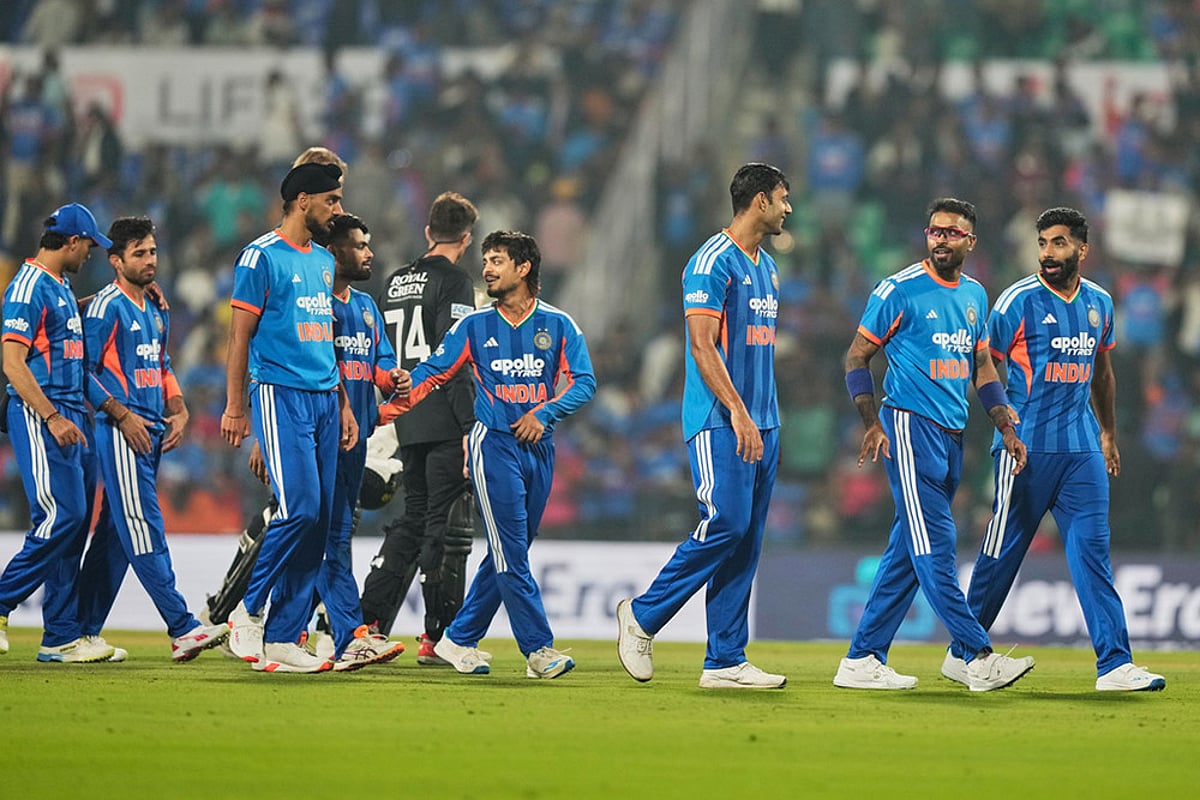
Introduction
New Zealand vs India is an exciting international cricket matchup that attracts fans because of its competitive spirit, contrasting playing styles, and memorable performances. India is known for its passionate cricket culture, strong batting traditions, and talented spin bowlers, while New Zealand has built a reputation for disciplined teamwork, effective seam bowling, and calm performances under pressure. Whenever these teams meet, the contest offers an opportunity to see different cricketing approaches tested against each other.
The rivalry extends across Test cricket, One Day Internationals, and Twenty20 Internationals. Each format presents different challenges, requiring players to adjust their strategies according to match conditions, opposition strengths, and the demands of the game. Home advantage can also influence the result, as Indian pitches often assist spin bowling, whereas New Zealand conditions can provide movement for fast bowlers. Understanding these differences helps supporters appreciate the tactical decisions and individual performances that make New Zealand vs India an interesting cricket contest.
The History of New Zealand vs India Cricket Matches
The cricketing relationship between India and New Zealand has developed over several decades, producing memorable contests in bilateral series and international tournaments. Their first Test meeting took place in 1955, beginning a long history of competition across different generations of players. Over time, both nations have developed strong cricketing systems, introduced talented youngsters, and created teams capable of competing at the highest international level.
India has traditionally benefited from a large pool of players and a strong domestic cricket structure, while New Zealand has often earned recognition for developing technically sound cricketers who perform effectively as a unit. Their encounters have included closely fought Test matches, high-scoring limited-overs games, and important tournament finals. These experiences have made the rivalry more significant than a simple comparison of match results.
One of the most memorable recent meetings came during the ICC Champions Trophy final on March 9, 2025. New Zealand scored 251 for seven, with Daryl Mitchell and Michael Bracewell making important contributions. India successfully chased the target, finishing at 254 for six and winning by four wickets. Rohit Sharma scored 76, while KL Rahul and Ravindra Jadeja helped India complete the chase. The victory secured another Champions Trophy title for India and demonstrated the importance of composure during a demanding final.
India’s Strengths in International Cricket
India’s cricketing strength comes from its combination of experienced international performers, emerging talent, technically skilled batters, and versatile bowling options. The country has a deep domestic structure that provides opportunities for players to develop their abilities before entering international competition. This depth allows selectors to consider different combinations according to the format, venue, and opposition.
Indian batters are often comfortable building long innings, rotating the strike, and accelerating when scoring opportunities appear. In Test cricket, patience and shot selection are essential because players must survive difficult periods against quality bowling. In One Day Internationals, maintaining partnerships while preserving wickets can establish a strong platform for the final overs. In Twenty20 Internationals, the emphasis shifts toward quick scoring, innovative shots, and effective use of the batting order.
Spin bowling is another important feature of India’s traditional cricketing approach. Players who can vary their pace, flight, and trajectory may become particularly effective on dry pitches. However, India also requires fast bowlers who can generate movement, maintain accuracy, and deliver effective yorkers during limited-overs matches. This balance between batting strength, spin, and pace gives India several possible strategies against New Zealand.
New Zealand’s Strengths and Playing Style
New Zealand has established a reputation for disciplined cricket, intelligent captaincy, and strong teamwork. Although the country has a smaller population than India, its cricket teams have repeatedly challenged leading international opponents through careful preparation and consistent execution. Rather than depending entirely on individual brilliance, New Zealand often succeeds by combining contributions from batters, bowlers, and fielders.
Fast bowling is an important part of New Zealand’s traditional identity. Conditions in the country can provide seam movement and assistance for bowlers who maintain the correct line and length. Such conditions can make batting difficult, especially early in an innings when the ball is new. Bowlers who exploit these opportunities may create pressure before the opposition establishes a partnership.
New Zealand’s batters are also capable of adapting to different situations. Some build innings through controlled stroke play, while others accelerate quickly when the match requires an aggressive approach. Experienced all-rounders provide additional flexibility because they can contribute with both bat and ball. In close games, disciplined fielding, clear communication, and calm decision-making can become just as important as individual statistics.
How Pitch Conditions Influence New Zealand vs India
Pitch conditions often influence the outcome of New Zealand vs India matches. A cricket surface affects how the ball behaves, how easily batters can score, and which bowling combinations are likely to succeed. Understanding the venue therefore helps explain why a team may perform differently at home and away.
Indian pitches can vary considerably, but some surfaces become slower as a match progresses and may offer assistance to spin bowlers. Batters must judge the pace of the pitch carefully and avoid assuming that every delivery will arrive at a consistent height or speed. Teams playing in India may benefit from using spinners who can control scoring while creating opportunities for wickets.
New Zealand conditions can offer different challenges. Grass-covered pitches, atmospheric conditions, and movement off the surface may help seam bowlers, particularly during the early stages of a match. Indian batters touring New Zealand must adjust their footwork and choose their attacking shots carefully. Leaving deliveries outside the off stump in Test cricket can be just as important as scoring boundaries.
The Importance of Test Cricket in the Rivalry
Test cricket provides one of the clearest ways to compare the technical strengths of India and New Zealand. Matches can last up to five days, requiring patience, concentration, fitness, and the ability to respond to changing conditions. A team may dominate one session and struggle in the next, making strategic adjustments essential throughout the contest.
India’s approach to Test cricket often emphasizes batting depth and the ability to use spin effectively when conditions allow. Batters must build partnerships and remain focused during long periods at the crease. Bowlers need to create pressure without conceding easy runs, especially when the opposition is trying to save a match.
New Zealand can be particularly challenging when its fast bowlers find movement and maintain consistent pressure. Its batters must also demonstrate resilience when facing quality bowling away from home. Winning a Test match requires more than a strong opening partnership because teams must manage several innings, use their resources efficiently, and make sound decisions over an extended period.
The World Test Championship has added further significance to this format. Results can influence qualification and the opportunity to compete for an international title. Consequently, New Zealand vs India Test matches can carry substantial importance beyond the immediate series result.
The Excitement of One Day Internationals
One Day Internationals combine traditional batting skills with the need to score quickly enough to establish a competitive total. Each team generally receives 50 overs, creating a contest in which partnerships, wicket preservation, and late-innings acceleration all matter.
India can use its batting depth to build a solid foundation before increasing the scoring rate. The opening batters aim to provide stability, while the middle order must respond to wickets and changing match conditions. Finishing strongly is particularly important because a productive final phase can transform an average total into a challenging target.
New Zealand often approaches ODI cricket with a focus on partnerships and disciplined execution. Its bowlers may use changes of pace, accurate lines, and carefully planned field placements to limit scoring. During a chase, the team must balance the required run rate against the risk of losing wickets.
Fielding can also determine the outcome. A dropped catch, a direct hit, or an outstanding boundary save may influence a close contest. The Champions Trophy final in 2025 illustrated how quickly momentum can change, even when a team has established a promising position. India’s successful chase showed the value of maintaining composure when wickets fall during a demanding run chase.
Why T20 Internationals Attract Cricket Fans
Twenty20 cricket has made New Zealand vs India encounters particularly entertaining for supporters who enjoy fast scoring and unpredictable finishes. With each side generally facing 20 overs, there is little time to recover from mistakes. Batters must identify scoring opportunities quickly, while bowlers need variations and accurate execution to control the innings.
India’s depth in power hitting can make its batting order dangerous when players find their rhythm. Aggressive opening batters may establish an early advantage, while middle-order players can maintain the scoring rate under pressure. Effective death bowling is equally important because the final overs often determine whether a target is manageable or difficult.
New Zealand can counter this approach through smart field settings, adaptable bowling plans, and calculated aggression. A well-timed bowling change may interrupt a partnership, while a reliable finisher can keep a chase alive even when the required run rate rises. T20 matches also reward flexibility because captains may need to alter their plans after just a few overs.
Key Players and Individual Performances
Individual performances often shape the conversation around New Zealand vs India matches. A batter who builds a century, a bowler who takes crucial wickets, or an all-rounder who contributes in both innings can change the direction of a contest. However, identifying a single match winner does not always explain the full story.
For India, supporters frequently watch top-order batters for their ability to establish partnerships and control the innings. Middle-order players can provide stability after early wickets, while all-rounders offer additional options when the team needs to strengthen either batting or bowling. Specialist bowlers must adapt their methods to different surfaces and match situations.
New Zealand’s success similarly depends on contributions from across the squad. Experienced batters may guide a chase, while younger players can provide energy and fresh approaches. Fast bowlers are important when conditions support seam movement, and spin options help captains control the middle overs. All-rounders can provide balance by allowing teams to adjust their combinations without weakening either department.
Player comparisons should always consider the format and circumstances. A batter with excellent Test statistics may need time to adapt to T20 cricket, while a successful limited-overs bowler might use different strategies in a five-day match. Fitness, current form, experience, and the conditions on the day are all relevant when evaluating individual contributions.
How Fans Can Follow New Zealand vs India
Fans can follow New Zealand vs India through official cricket boards, tournament websites, television broadcasts, and authorized digital streaming services available in their region. Official match centres commonly provide live scores, scorecards, playing elevens, commentary, and updated match information. These sources help supporters follow a game even when they cannot watch the complete broadcast.
Before a match, checking the scheduled start time, venue, squad announcements, and weather forecast can make the experience more enjoyable. Toss results may also offer useful context because captains often consider the pitch and expected conditions before choosing whether to bat or bowl first.
- new zealand vs india
New Zealand vs India remains an engaging international cricket rivalry because it brings together different traditions, tactical approaches, and talented players. India’s batting depth, spin bowling, and strong cricketing structure contrast with New Zealand’s disciplined teamwork, seam-bowling capabilities, and adaptability. These differences make encounters between the teams interesting across Test cricket, One Day Internationals, and Twenty20 Internationals.
Recent matches have demonstrated that neither a large target nor a promising start guarantees victory. India’s Champions Trophy triumph in 2025 and its successful T20I chase in Christchurch in October 2026 illustrate the importance of maintaining pressure, responding to setbacks, and finishing strongly. Every format creates its own challenges, and the outcome depends on preparation, execution, and conditions on the day.

