

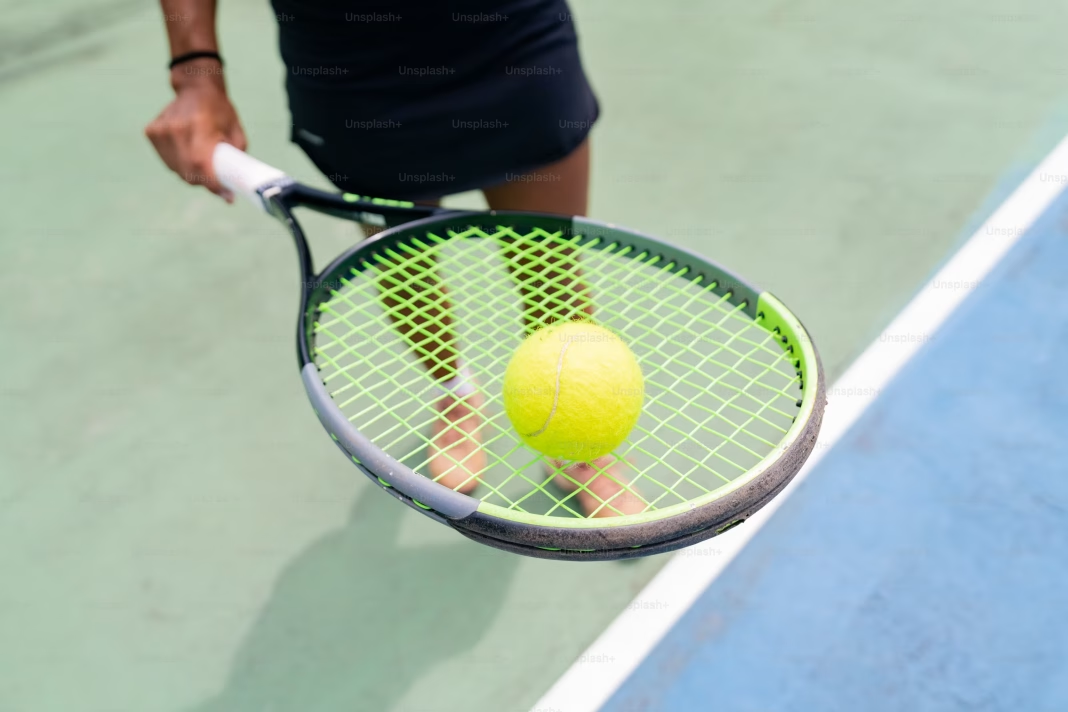
A tennis ball is one of the most important pieces of equipment in tennis, influencing the speed, bounce, control, and overall quality of every rally. Whether someone is a beginner learning basic strokes, a recreational player practising with friends, or an experienced athlete preparing for a competitive match, choosing the right ball can make a noticeable difference. Although tennis balls may appear similar at first glance, they vary in construction, felt quality, internal pressure, durability, and intended playing surface. Understanding these differences helps players make better purchasing decisions and enjoy a more consistent playing experience. From traditional pressurised options to durable pressureless designs, there are several varieties suited to different skill levels and training needs. Learning about their features, maintenance, and performance can help players select equipment that supports their playing style and improves their confidence on the court.
What Is a Tennis Ball?
A tennis ball is a lightweight, spherical sports ball specifically designed for the game of tennis. It generally consists of a hollow rubber core covered with a soft, fibrous felt material. This combination allows the ball to compress when it strikes the racket or court and then rebound, making rallies possible. The rubber core influences bounce and internal pressure, while the felt covering affects aerodynamics, friction, and durability. Standard tennis balls are usually bright yellow because this colour provides good visibility during fast-moving rallies, although other colours can be used for training and specialised activities.
The design of a tennis ball follows established specifications for competitive play. According to standard tennis equipment requirements, a conventional ball generally measures between 6.54 and 6.86 centimetres in diameter and weighs between 56.0 and 59.4 grams. These measurements help maintain consistency across matches and tournaments. Different balls may still feel slightly different because of variations in felt thickness, rubber composition, and pressure. Understanding these characteristics is useful when selecting equipment for casual games, coaching sessions, school sports, or professional-level practice.
Different Types of Tennis Balls
Players can choose from several types of balls depending on their experience, training goals, and playing environment. Pressurised balls are commonly used for competitive matches because they provide a lively bounce and responsive feel. Their internal air pressure contributes to their performance, but it gradually decreases with use and storage. As a result, these balls often provide their best playing characteristics when relatively fresh.
Pressureless balls are another popular option, particularly for regular practice and coaching. Instead of depending primarily on internal air pressure, they rely on their rubber construction to produce a consistent rebound. They are generally more durable and can retain useful playing characteristics for longer, although they may feel firmer and heavier during play. Beginner training balls, including foam and low-compression varieties, are designed to move more slowly and bounce lower, allowing new players to develop timing and technique. Each type serves a different purpose, so the ideal choice depends on whether the priority is match performance, long-term value, or easier learning.
Tennis Ball Types Compared
The following table explains the main differences between commonly available options.
| Ball type | Main features | Best suited for |
|---|---|---|
| Pressurised ball | Lively bounce and responsive feel | Matches and regular games |
| Pressureless ball | Durable construction and consistent practice performance | Coaching and frequent training |
| Red training ball | Low compression and slower flight | Young beginners |
| Orange training ball | Reduced speed and controlled bounce | Developing junior players |
| Green training ball | Moderate compression and more accessible pace | Transitioning players |
| Foam ball | Soft, lightweight construction | Early learning and indoor activities |
The exact performance of each type depends on its construction and manufacturer. Training balls are not all interchangeable, and players should check their intended age group, court surface, and programme requirements before making a selection.

Materials and Construction
The construction of a tennis ball directly affects its performance. Most conventional models use a two-piece or similarly engineered rubber core, which provides elasticity and helps the ball recover its shape after impact. Manufacturers carefully develop the rubber compound to achieve the required balance between bounce, firmness, and durability. The core must withstand repeated contact with rackets and hard court surfaces without losing its essential playing characteristics too quickly.
The outer felt is equally important. Usually made from a blend of natural and synthetic fibres, it creates a textured surface that interacts with the air during flight. This covering influences how quickly the ball travels, how it responds to spin, and how well it withstands abrasion. Felt can become worn, dirty, or fuzzy after repeated use, gradually changing the way the ball moves. On rough courts, the outer material may deteriorate faster than on smoother surfaces. High-quality construction can improve consistency, but no ball remains in perfect condition indefinitely. Players should inspect their equipment regularly and replace worn-out options when bounce or control becomes noticeably inconsistent.
How a Tennis Ball Affects Performance
Ball characteristics can influence almost every aspect of a tennis match. Bounce height determines how comfortably a player can position the racket, while speed affects reaction time and shot preparation. A lively ball may encourage aggressive baseline play, whereas a slower training ball can give beginners more time to prepare their strokes. The interaction between the ball and the court surface also matters, as hard courts, clay courts, and grass courts can produce different playing experiences.
Spin is another important factor. Topspin, backspin, and sidespin change the trajectory and rebound of a moving ball. The felt covering creates friction against the strings, helping players generate different types of rotation. A worn or unsuitable ball may respond differently from a fresh one, making it harder to develop reliable technique. For this reason, players should practise with equipment appropriate to their level and playing conditions. Consistency is especially important during coaching, because predictable equipment allows learners to focus on footwork, timing, racket preparation, and shot placement instead of constantly adjusting to changing bounce characteristics.
Choosing the Right Ball for Your Skill Level
Beginners should prioritise control, comfort, and confidence rather than selecting equipment designed exclusively for professional competition. Low-compression balls travel more slowly and provide additional time to learn basic strokes. This can make rallies easier to sustain and help players understand positioning. Children may benefit from red, orange, or green training balls according to their age, physical development, and coaching programme.
Intermediate players often benefit from using standard balls during practice so they can prepare for regular club matches. At this stage, consistency, durability, and suitability for the court surface become increasingly important. Advanced players usually prefer balls that match tournament requirements or the characteristics they expect in competitive play.
Before purchasing, consider the following points:
- Skill level: Select a ball that matches your playing experience.
- Court surface: Check whether the ball is suitable for hard, clay, or grass courts.
- Playing frequency: Frequent players may value durability and replacement costs.
- Match requirements: Competitive events may specify an approved ball type.
- Visibility: Choose a colour that is easy to track against the court background.
- Storage: Consider how easily you can keep unused balls protected from extreme conditions.
Making a decision based on these factors helps avoid unnecessary spending and creates a more enjoyable playing experience.
Choosing Balls for Different Court Surfaces
Court surface plays a major role in how a ball performs. Hard courts create substantial impact and friction, which can accelerate felt wear. Players who regularly use these courts should look for options specifically designed to withstand abrasive conditions. Durable felt can help maintain consistent performance over repeated rallies, although the actual lifespan depends on court quality and playing intensity.
Clay courts often produce longer rallies and may expose balls to loose particles and moisture. Suitable felt construction can help preserve visibility and performance in these conditions. Grass courts generally offer a different combination of bounce and pace, so the choice of ball should follow the requirements of the facility or competition. Indoor courts may also require consideration of lighting, floor material, and playing speed. When in doubt, check the venue’s recommendations rather than assuming that one model will perform equally well everywhere.
How to Maintain and Store Tennis Balls
Proper storage can help preserve unused balls and keep practice equipment in better condition. Pressurised varieties are commonly sold in sealed cans that help maintain their internal pressure before opening. Once opened, their playing characteristics gradually change through use and pressure loss. Keeping unused cans sealed until needed is a simple way to preserve their intended performance.
For regular maintenance, follow these practical tips:
- Store equipment in a cool, dry place away from direct sunlight.
- Avoid leaving balls inside extremely hot vehicles for extended periods.
- Keep the felt clean by removing loose dirt when appropriate.
- Inspect for visible damage, flattened areas, and excessive wear.
- Separate fresh match balls from older practice balls.
- Replace balls that no longer provide a predictable bounce.
Pressureless balls generally tolerate extended use well, but they also experience wear. Their felt can deteriorate, and the rubber may gradually lose its original characteristics. Regular inspection helps players identify when replacement is necessary. Good storage habits are particularly useful for schools, clubs, coaches, and households that maintain several sets of sports equipment.
Understanding Price and Value
The price of tennis balls varies according to brand, packaging, construction, intended use, and local availability. Pressurised products may offer excellent match performance but require more frequent replacement when used intensively. Pressureless options can provide better long-term value for coaching drills and repetitive practice because they are designed for extended use.
Buying a larger pack may reduce the cost per ball, but value should not be judged by price alone. Players should consider how frequently they play, whether they need competition-standard equipment, and how long the balls are likely to remain suitable for their purpose. A beginner who practises occasionally may not need premium match balls, while a competitive player may benefit from equipment that meets tournament specifications.
It is also helpful to compare the number of balls included, packaging quality, manufacturer recommendations, and product suitability. Purchasing from a reliable retailer can reduce the risk of receiving unsuitable or poorly stored stock. Ultimately, the best option is the one that provides the right balance of performance, durability, and cost for the player’s individual needs.
Common Mistakes to Avoid
One common mistake is using the same balls for every purpose without considering their condition. Balls used for intensive drills may become less suitable for important matches, even if they remain physically intact. Another mistake is choosing a standard pressurised ball for a complete beginner who would benefit from a slower, lower-bouncing alternative.
Players should also avoid judging quality by appearance alone. A bright felt covering does not necessarily indicate that the internal pressure or rebound remains consistent. Similarly, the most expensive product is not automatically the best choice for every training environment. Ignoring court surface, age, skill level, and competition requirements can lead to disappointing results.
A more effective approach is to match equipment to the activity, inspect it regularly, and replace it when its performance declines. Coaches can improve training quality by maintaining separate supplies for beginner exercises, general practice, and competitive preparation.
Conclusion
A tennis ball may look like a simple piece of sports equipment, but its construction and performance have a significant influence on the game. Factors such as internal pressure, rubber quality, felt material, bounce, and durability determine how comfortably players can control shots and maintain rallies. Understanding the differences between pressurised, pressureless, and low-compression training varieties makes it easier to choose suitable equipment for different needs.
Beginners should focus on control and confidence, while experienced players may prioritise match consistency and court-specific performance. Proper storage, regular inspection, and sensible purchasing decisions can also improve value over time. By selecting the right equipment and maintaining it carefully, players can enjoy more reliable practice sessions, develop better technique, and get greater satisfaction from every game.

