

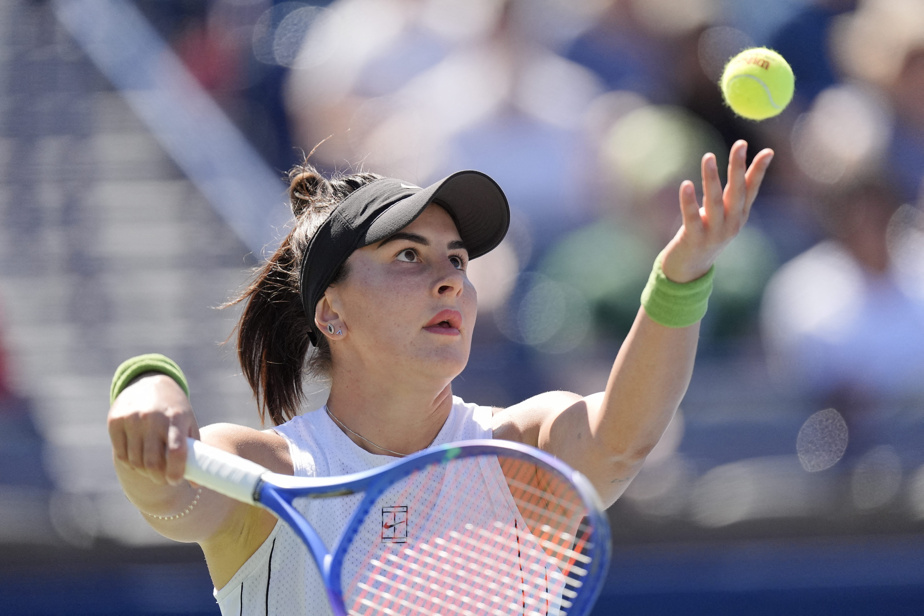
Tennis is one of the most popular racket sports in the world, enjoyed by people of different ages and skill levels. It combines physical fitness, mental concentration, speed, coordination, and strategic thinking. Whether played professionally on international courts or casually with friends, tennis offers an exciting way to stay active while developing valuable athletic skills. The game can be played in singles, with two players competing against each other, or doubles, with two teams of two players. Understanding the basic rules, equipment, scoring system, and playing techniques helps beginners build confidence and enjoy the sport. From learning how to serve to improving footwork and shot selection, every stage of the game presents an opportunity to improve performance. With regular practice, players can develop better endurance, sharper reactions, and greater consistency while experiencing the competitive and recreational benefits of this timeless sport.
What Is Tennis?
Tennis is a racket sport in which players hit a ball over a net into the opponent’s court. The objective is to win points by making shots that the opponent cannot return legally. Players use a racket with a stringed hitting surface and a lightweight, pressurized or pressureless ball designed for the relevant playing level. Matches take place on different court surfaces, including hard courts, clay courts, and grass courts. Each surface influences ball speed, bounce, and movement, requiring players to adjust their strategies.
Modern tennis has a rich history and an established international competition structure. Professional players compete in tournaments throughout the year, while schools, clubs, academies, and community sports facilities make the game accessible to beginners. The sport rewards a combination of athletic ability and decision-making. A powerful shot can be useful, but accurate placement, patience, balance, and anticipation are equally important. Learning these fundamentals makes tennis enjoyable for recreational players and provides a strong foundation for those interested in competitive matches.
Basic Rules of Tennis
Understanding the rules is essential before stepping onto the court. A standard match begins with a serve, and the server must hit the ball diagonally into the opposite service box. Players alternate shots after the ball crosses the net, and a point is won when the opponent fails to return the ball correctly, hits it out of bounds, or commits a fault that ends the rally.
Players must allow the ball to bounce no more than once on their side before returning it. They can also hit the ball before it bounces, using a volley, provided the shot follows the rules. During a rally, the ball must land within the opponent’s court boundaries. In singles, the inner sidelines define the playing area, while doubles matches use the wider court. The net must not be touched in a way that violates the rules during play.
Some important rules include:
- A player serves from behind the baseline.
- The serve must land in the diagonally opposite service box.
- Players change ends at specified intervals during a match.
- A ball landing on a boundary line is considered in.
- Players must follow the scoring system to determine games, sets, and the match winner.
- A second serve is generally allowed after a first-service fault.
Following these rules helps maintain fairness and allows players to focus on technique, movement, and tactical decisions.
Understanding the Tennis Scoring System
The scoring system can seem unusual to beginners because points are traditionally counted as love, 15, 30, and 40. A player normally needs four points to win a game, provided there is a margin of at least two points. When both players reach 40, the score is called deuce. Under traditional advantage scoring, one player must win two consecutive points from deuce to take the game.
Games are grouped into sets, and sets are generally won by the player who reaches six games with a lead of at least two games. Many formats use a tiebreak when the set reaches six games all, although the precise rules depend on the tournament. Matches may be played as best of three sets or best of five sets, depending on the competition and event.
| Term | Meaning |
|---|---|
| Love | Zero points |
| 15 | First point in a game |
| 30 | Second point in a game |
| 40 | Third point in a game |
| Deuce | Both players reach 40 |
| Advantage | A player wins one point after deuce |
| Game | A completed scoring unit |
| Set | A group of games |
| Match | The overall contest |
Knowing how scoring works helps spectators follow professional matches and enables beginners to keep track of their own progress during practice.
Different Types of Tennis
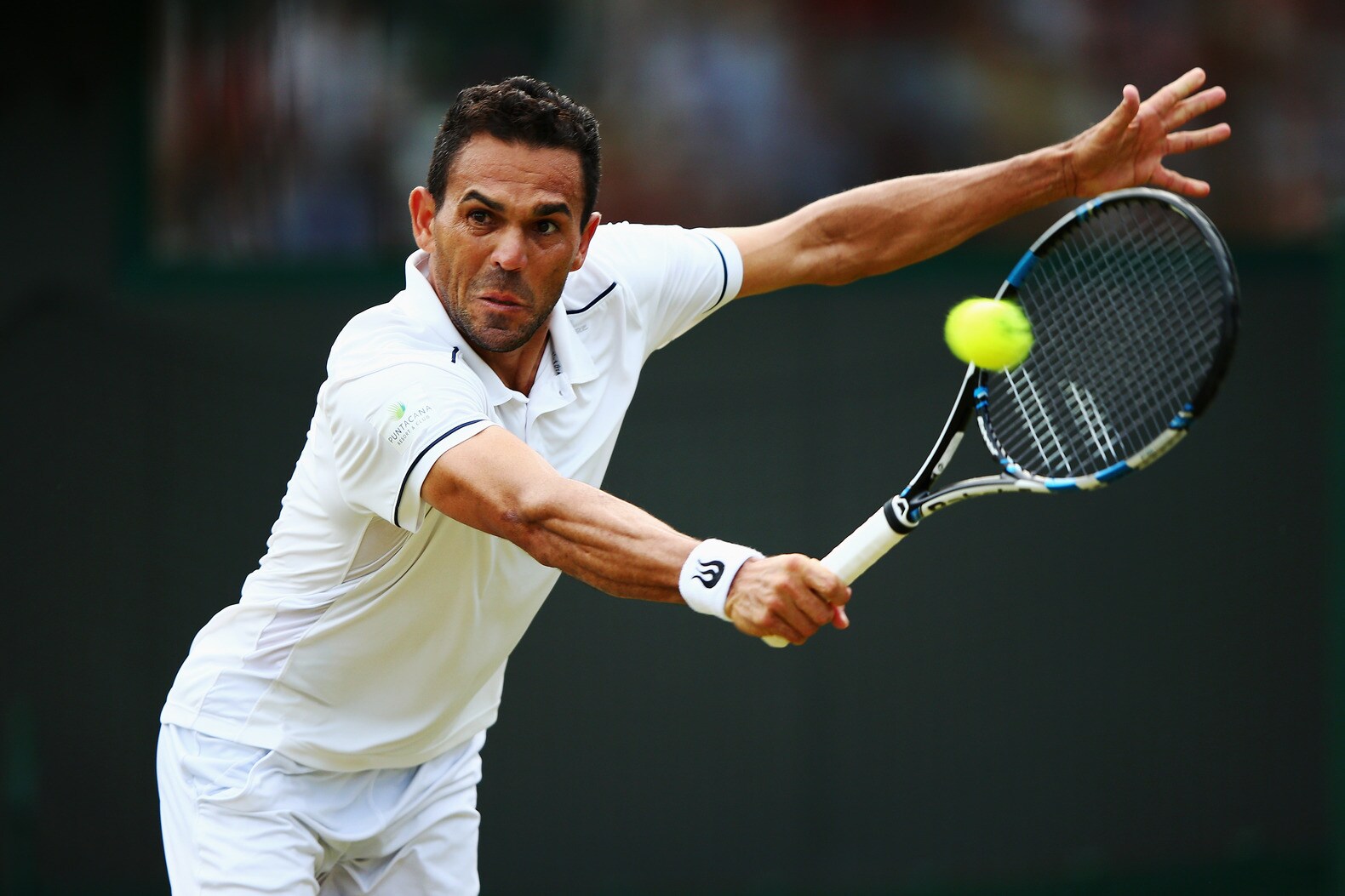
Tennis offers several playing formats to suit different preferences and competition levels. Singles is played between two individuals and requires each player to cover the entire singles court. It places significant demands on stamina, positioning, and the ability to create space through accurate shots. Doubles involves two players on each side and emphasizes teamwork, communication, quick reactions, and effective net play.
Mixed doubles combines one male and one female player on each team in competitions that follow this format. Wheelchair tennis adapts the sport for athletes with physical disabilities, allowing two bounces of the ball before it must be returned. The sport preserves many of the same competitive principles while providing an inclusive environment for athletes.
Recreational games may also include modified formats for children and beginners. Smaller courts, slower balls, and shorter matches can make learning easier. These formats help new players develop control before moving to standard competition conditions.
Essential Equipment for Tennis
Choosing appropriate equipment can improve comfort, safety, and performance. Beginners do not need the most expensive products to get started. A properly sized racket, suitable shoes, comfortable clothing, and a supply of tennis balls are enough for most introductory sessions.
Racket selection should consider grip size, weight, head size, and playing experience. A lighter racket may be easier for a beginner to handle, while more experienced players often select equipment according to their preferred control and power. Tennis shoes should provide support and traction for quick lateral movements. Running shoes are not always suitable because they may lack the stability required for frequent changes of direction.
Useful equipment includes:
- Tennis racket suited to the player’s age and strength.
- Tennis balls appropriate for the court and skill level.
- Court-specific shoes with adequate grip and support.
- Comfortable sports clothing that allows free movement.
- Water bottle for hydration.
- Towel, spare grips, and sun protection for outdoor sessions.
Maintaining equipment is also important. Players should inspect racket strings, replace worn grips, and use shoes suitable for the court surface. Good equipment supports consistent practice and helps reduce discomfort during longer sessions.
Popular Tennis Court Surfaces
Court surfaces affect how the ball travels and how players move. Hard courts are commonly made from asphalt or concrete with an acrylic surface. They generally offer a predictable bounce and suit players who combine baseline rallies with aggressive serving and groundstrokes.
Clay courts typically slow the ball and produce a higher bounce. Longer rallies are common, and players often need patience, stamina, and effective sliding techniques where permitted and practiced safely. Grass courts usually provide a faster game with a lower, sometimes less predictable bounce. Players who serve effectively and move quickly toward the net may benefit from these conditions.
Indoor courts can use different materials, so their playing characteristics depend on the specific surface. Learning to adapt to court conditions is an important skill because a strategy that works well on one surface may be less effective on another.
Physical and Mental Benefits of Tennis
Playing tennis regularly can contribute to overall health and fitness. The sport involves running, stopping, changing direction, reaching, and striking a moving ball. These activities challenge cardiovascular endurance, agility, balance, and coordination. Training sessions can also strengthen the muscles used for movement and racket control.
The mental demands of tennis are equally valuable. Players must concentrate on the ball, anticipate an opponent’s next shot, select appropriate tactics, and recover quickly after mistakes. Because the game contains repeated moments of pressure, it can help players practice emotional control and decision-making. Recreational matches may also provide opportunities for social interaction and enjoyable physical activity.
Potential benefits include:
- Improved cardiovascular fitness and stamina.
- Better hand-eye coordination and reaction time.
- Greater agility, balance, and movement control.
- Opportunities to develop concentration and tactical thinking.
- Social connection through clubs, lessons, and doubles matches.
- A structured way to maintain an active lifestyle.
Individual results depend on frequency, intensity, technique, and overall health. Players should warm up properly, build training gradually, and take recovery seriously to help prevent overuse injuries.

Fundamental Tennis Techniques for Beginners
Learning the basic strokes is an important step toward consistent performance. The forehand is usually played on the dominant side of the body, while the backhand is played on the opposite side and may use one or two hands. Both strokes require proper grip, body rotation, timing, and follow-through. Beginners should prioritize clean contact and controlled placement instead of trying to hit every ball with maximum power.
The serve starts each point and can be one of the most challenging skills to learn. Players need to coordinate the ball toss, racket movement, body position, and contact point. Practicing a relaxed, repeatable motion is more useful at first than focusing entirely on speed. The volley is played before the ball bounces and is often used near the net. It requires compact racket movement and quick reactions.
Footwork connects all these techniques. Players should learn to maintain balance, use small adjustment steps, recover toward an appropriate position, and move efficiently toward the ball. Regular drills with a coach or practice partner can help improve timing and confidence.
How to Improve Your Tennis Skills
Improvement comes from consistent practice, realistic goals, and feedback. Beginners should begin with simple rallying exercises and gradually introduce serving, returning, and point-based drills. Practicing both forehand and backhand shots helps develop balanced skills and prevents overreliance on a single strength.
Players can follow these practical steps:
- Schedule regular practice sessions and allow enough time for recovery.
- Work on technique before increasing shot speed.
- Practice serves and returns because they begin every point.
- Use footwork drills to improve positioning and court coverage.
- Play against opponents with different styles.
- Review mistakes and identify one or two areas to improve.
- Maintain hydration and use a proper warm-up and cool-down routine.
Keeping a training journal can help track progress in serving accuracy, rally consistency, movement, and match results. Taking lessons from a qualified coach can also identify technical problems before they become habits. Most importantly, players should be patient. Reliable technique develops over time, and small improvements often lead to better results than attempting to change everything at once.
Major Tennis Tournaments
Professional tennis includes several prestigious international competitions. The four Grand Slam tournaments are the Australian Open, French Open, Wimbledon, and US Open. Each has its own traditions, playing conditions, and place in the professional calendar. The Australian Open and US Open are played on hard courts, the French Open on clay, and Wimbledon on grass.
Other major events include ATP Tour tournaments for men’s professional tennis and WTA Tour tournaments for women’s professional tennis. Team competitions and international events provide additional opportunities for players to represent their countries. These tournaments attract global audiences and showcase different playing styles, strategies, and levels of athletic performance.
Watching professional matches can help developing players understand court positioning, shot selection, serving patterns, and mental resilience. However, recreational players should adapt professional techniques to their own abilities rather than copying high-intensity training without suitable coaching.
Tennis in India
Tennis has a growing recreational and competitive community in India. Players can learn the sport through local clubs, academies, schools, and sports facilities. Training opportunities vary by city, but beginners can often start with group lessons or individual coaching before entering local competitions.
Indian tennis has produced notable players, including Leander Paes, Mahesh Bhupathi, Sania Mirza, and Rohan Bopanna. Their achievements have helped increase interest in the sport and inspired younger athletes to pursue competitive opportunities. Junior tournaments and national-level competitions provide pathways for players who want to progress beyond recreational participation.
For beginners in India, the best starting point is a suitable coach, a safe court, and a manageable training schedule. Practicing consistently and participating in friendly matches can build confidence before moving to formal tournaments. Families can also introduce children to age-appropriate equipment and modified formats that make the learning process more enjoyable.
Conclusion
Tennis combines physical activity, strategic thinking, skill development, and competition in a sport that can be enjoyed throughout life. Understanding the rules, scoring system, equipment, court surfaces, and basic techniques gives beginners a strong foundation. Regular practice can improve movement, coordination, stamina, concentration, and confidence while creating opportunities to connect with other players.
Whether someone wants to play casually, improve fitness, compete locally, or follow international tournaments, tennis offers a flexible and rewarding experience. Start with simple drills, focus on correct technique, and gradually increase the challenge as skills develop. With patience, consistent training, and a positive attitude, players can enjoy the game while continuing to improve their performance.

