

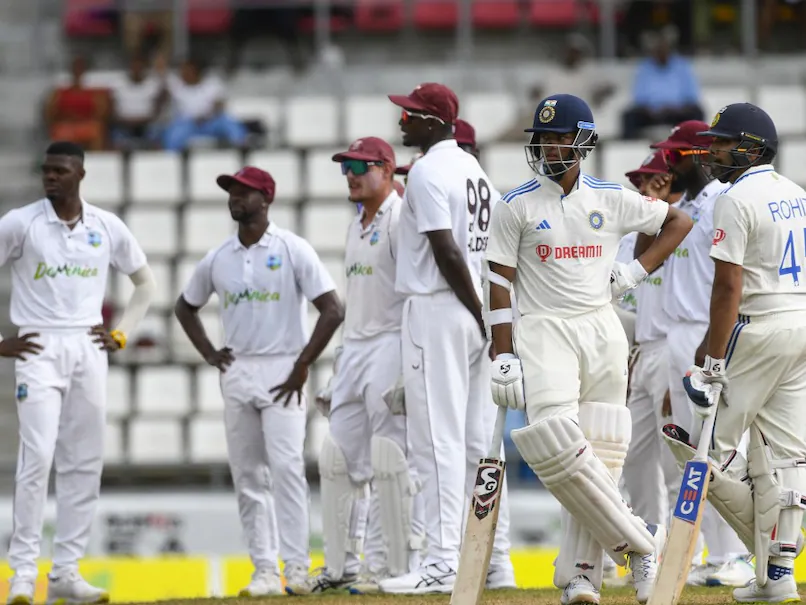
The west indies vs india test rivalry is an important part of international cricket history. Both teams have produced legendary players, memorable performances, dramatic finishes, and unforgettable moments across generations. India is known for its technically gifted batters, world-class spin bowlers, and increasingly powerful pace attack, while the West Indies built their reputation through aggressive batting and some of the fastest bowlers the game has ever seen.
Over the decades, matches between these teams have reflected the changing nature of Test cricket. From the West Indies’ dominance during the 1970s and 1980s to India’s rise as a formidable force at home and overseas, the contest has offered plenty of excitement for cricket fans. Their meetings have also helped shape the careers of many famous players.
Understanding this rivalry involves looking beyond the final score. Team strategies, playing conditions, individual statistics, and historical achievements all contribute to the importance of these encounters. Whether supporters follow cricket for batting records, bowling spells, or tactical battles, this matchup provides plenty to explore.
History of West Indies vs India Test Cricket
India and the West Indies first met in Test cricket in 1948, when the West Indies toured India. The series marked the beginning of a long international rivalry between two teams with different cricketing traditions. During the early years, the West Indies possessed considerable international experience and several outstanding batters, while India continued developing its identity in the longest format.
The West Indies became one of the most dominant teams in world cricket during the 1970s and 1980s. Their powerful batting lineups and fearsome fast-bowling combinations made them difficult opponents in almost every country. Players such as Viv Richards, Clive Lloyd, Malcolm Marshall, Michael Holding, and Curtly Ambrose became central figures in the team’s reputation.
India gradually established itself as a major Test cricket power through the contributions of technically accomplished batters and exceptional spinners. Sunil Gavaskar, Kapil Dev, Anil Kumble, Rahul Dravid, and Sachin Tendulkar helped build India’s reputation across different eras. The competition became particularly interesting as India improved its overseas performances and developed a deeper pool of fast bowlers.
Head-to-Head Record and Test Statistics
Head-to-head statistics provide a useful overview of how two teams have performed against each other. However, these numbers should always be considered alongside the period in which matches were played, the venues involved, and the strength of the respective teams.
India and the West Indies have played numerous Test matches since their first meeting. The historical record reflects the West Indies’ early dominance and India’s progress into one of the strongest teams in international cricket.
The following table summarizes important aspects of the rivalry without presenting unverified live totals.
|
Statistical category |
What it reveals |
|---|---|
|
First Test meeting |
The rivalry began in 1948 |
|
Total Tests played |
The number of completed matches between the teams |
|
India victories |
India’s success across different cricketing eras |
|
West Indies victories |
The Caribbean team’s historical achievements |
|
Drawn Tests |
Matches affected by time, weather, or balanced performances |
|
Highest team total |
Exceptional collective batting performances |
|
Best individual batting score |
Outstanding innings by an individual batter |
|
Best bowling figures |
Match-changing performances from bowlers |
|
Most successful batters |
Players with the strongest run-scoring records |
|
Most successful bowlers |
Players with the greatest wicket-taking achievements |
For exact figures, fans should distinguish between overall Test head-to-head records, individual series statistics, and records from a particular venue. These categories can produce very different comparisons.

Legendary Players Who Shaped the Rivalry
The history of this matchup is closely connected to the players who influenced its biggest moments. Their performances helped establish standards for batting, bowling, leadership, and consistency in Test cricket.
Sunil Gavaskar
Sunil Gavaskar became one of India’s most respected opening batters through his exceptional technique and concentration. Facing the powerful West Indies pace attack was one of the defining challenges of his career. His ability to play long innings against fast bowlers demonstrated the value of patience, sound footwork, and precise shot selection.
Gavaskar’s performances against the West Indies helped establish his reputation as one of the greatest opening batters of his generation. His success also inspired later Indian batters to approach challenging overseas conditions with confidence.
Viv Richards
Viv Richards was famous for his attacking batting style, confidence, and ability to dominate bowling attacks. His performances represented the aggressive character of West Indies cricket during its strongest period. Richards could change the direction of a match quickly, putting pressure on bowlers through powerful strokes and intelligent placement.
His presence made the West Indies particularly dangerous when building large totals or chasing targets. His achievements remain an important part of the rivalry’s historical identity.
Kapil Dev
Kapil Dev brought all-round excellence to Indian cricket. As a fast bowler and attacking lower-order batter, he offered balance to the team and created opportunities in situations where India needed a breakthrough. His energy and leadership helped Indian cricket develop greater confidence in international competition.
Kapil’s generation demonstrated that India could challenge powerful opponents through a combination of disciplined bowling, determined batting, and collective teamwork.
Sachin Tendulkar
Sachin Tendulkar contributed significantly to India’s success throughout the 1990s and 2000s. His technical ability, adaptability, and concentration allowed him to compete against varied bowling attacks. Against the West Indies, his performances formed part of a wider career that included numerous achievements in Test cricket.
Tendulkar’s approach combined traditional technique with the ability to score quickly when opportunities appeared. His influence extended beyond statistics, inspiring young cricketers across India and around the world.
Brian Lara
Brian Lara was among the most gifted left-handed batters in cricket history. His elegant stroke play and capacity to produce lengthy innings made him a major figure in West Indies cricket. Lara could handle spin and pace with equal confidence, and his performances frequently attracted worldwide attention.
His career represents the individual brilliance that has often made this rivalry memorable, even during periods when the West Indies faced challenges as a team.
Memorable Characteristics of India vs West Indies Tests
The west indies vs india test rivalry has changed considerably over time. Earlier encounters often featured the West Indies’ superior pace resources and powerful batting. More recent contests have reflected India’s improved fast-bowling depth, stronger fitness standards, and greater tactical flexibility.
Several characteristics make these matches especially interesting:
-
Contrasting batting styles: Indian batters have often emphasized technique and patience, while many celebrated West Indies batters have combined aggression with natural stroke-making ability.
-
Fast-bowling battles: The West Indies have a rich tradition of pace bowling, while India has developed increasingly successful fast-bowling combinations.
-
Spin bowling: Indian conditions frequently reward accurate spinners who can exploit changes in pitch behavior.
-
Leadership decisions: Declarations, bowling changes, field placements, and batting orders can influence the result.
-
Changing conditions: Humidity, heat, pitch preparation, and weather can affect stamina and the effectiveness of different bowling styles.
These factors mean that a successful strategy in one country may not produce the same results elsewhere. Teams must adapt rather than rely exclusively on historical reputation.
The Importance of Home Advantage
Home conditions have always played a significant role in Test cricket. India and the West Indies offer different environments, requiring visiting teams to adjust their preparation and tactics.
In India, pitches may provide assistance to spin bowlers as matches progress, although conditions vary considerably between venues. Visiting batters must learn to judge turn, use their feet effectively, and remain patient when scoring becomes difficult. Indian teams can also benefit from familiarity with local conditions and support from home crowds.
In the Caribbean, conditions differ from island to island and venue to venue. Weather, pitch pace, bounce, and surface deterioration influence how captains build their strategies. Fast bowlers can be effective when the pitch provides movement or bounce, while batters must adapt to the specific characteristics of each ground.
Successful touring teams study these differences carefully. Preparation includes understanding local conditions, managing workloads, practicing against unfamiliar bowling styles, and building partnerships that can withstand difficult periods.
Batting and Bowling Strategies in Test Matches
Test cricket rewards teams that maintain discipline over five days. In a contest between India and the West Indies, batting plans must reflect the pitch, the quality of the opposition, and the match situation.
Batters typically need to balance defensive responsibility with scoring opportunities. A strong opening partnership can reduce pressure on the middle order, while experienced batters can stabilize the innings after early wickets. Lower-order contributions are also valuable because an additional 50 or 100 runs can change the balance of a close Test.
Bowlers must combine accuracy with creativity. Fast bowlers may use short deliveries, movement, and changes of pace to challenge batters. Spinners can create pressure by varying flight, pace, and trajectory. Captains must rotate bowlers effectively to prevent fatigue and preserve their strongest options for crucial sessions.
Fielding is equally important. Dropped catches, missed run-out opportunities, and unnecessary misfields can erase the advantage created by good bowling. In closely contested Tests, small improvements in fielding can influence the final result.
Key Differences Between the Two Teams
India and the West Indies have developed different cricketing strengths, although modern teams cannot be described through stereotypes alone.
|
Area |
India |
West Indies |
|---|---|---|
|
Batting tradition |
Strong emphasis on technique and adaptability |
A celebrated history of powerful and attacking batters |
|
Spin bowling |
Long tradition of high-quality spin |
Success varies by generation and player resources |
|
Fast bowling |
Increasing depth and variety in recent decades |
Famous legacy of intimidating pace attacks |
|
Home conditions |
Often require skill against spin and changing surfaces |
Can feature varied Caribbean pitches and weather |
|
Team development |
Large domestic cricket structure |
Talent drawn from several Caribbean nations |
|
Historical identity |
Technical excellence and growing all-round depth |
Aggressive batting and legendary fast bowling |
These are broad historical patterns, not fixed descriptions of every player or team. Both sides have produced technically strong batters, effective pace bowlers, and adaptable all-rounders.
How to Follow a West Indies vs India Test Match
Fans following a Test series should look at more than the scorecard. Session-by-session developments can explain why one team gains control even when the overall scores appear close.
Useful statistics include:
-
Runs scored by each batter and the number of balls faced.
-
Wickets taken by individual bowlers and their economy rates.
-
Partnerships for each wicket.
-
Extras conceded by the bowling side.
-
First-innings leads and follow-on possibilities.
-
Required runs, remaining wickets, and overs left in the match.
-
Pitch conditions and weather interruptions.
A match summary should also explain the context behind important performances. A century made under pressure after early wickets may be more influential than a quick fifty in favorable conditions. Similarly, a bowler’s figures become more meaningful when considered alongside the pitch, opposition batting quality, and match situation.
For readers interested in statistics, separating series records from individual match records is essential. This approach provides a more accurate understanding of player contributions and team performance.
The Future of the Rivalry
The future of this Test rivalry depends on developing players, effective domestic structures, and opportunities for regular competition. India has a large pool of domestic cricketers and established pathways for identifying talent. The West Indies continue to draw on the cricketing traditions of the Caribbean, where developing technically sound batters and competitive fast bowlers remains important.
Young players can learn from the approaches of past legends without simply copying their styles. Modern Test cricket requires physical conditioning, data-informed planning, mental resilience, and the ability to adjust quickly when conditions change.
Regular international fixtures also help build competitive familiarity. When both sides have opportunities to play challenging Test series, supporters can enjoy new rivalries between emerging batters and bowlers. These encounters may eventually produce the next generation of historic performances.
The long-term appeal of the west indies vs india test contest lies in its combination of heritage and renewal. The legends of previous decades provide the foundation, while younger players have the opportunity to establish their own achievements.
Conclusion
The West Indies and India share a rich Test cricket history built on outstanding individuals, changing team strengths, and memorable contests. From the West Indies’ dominant pace attacks to India’s development into a powerful all-format cricket nation, their rivalry reflects the evolution of international cricket.
Historical records help explain the balance between the teams, while individual performances reveal the skill and determination required to succeed over five days. Batting partnerships, bowling spells, captaincy decisions, and home conditions all contribute to the outcome of a Test match.
For cricket enthusiasts, the west indies vs india test rivalry remains an engaging subject for exploring player achievements, team strategies, and the traditions of the longest format. Its future will be shaped by emerging talent, competitive series, and the next generation of players ready to create their own place in cricket history.

