

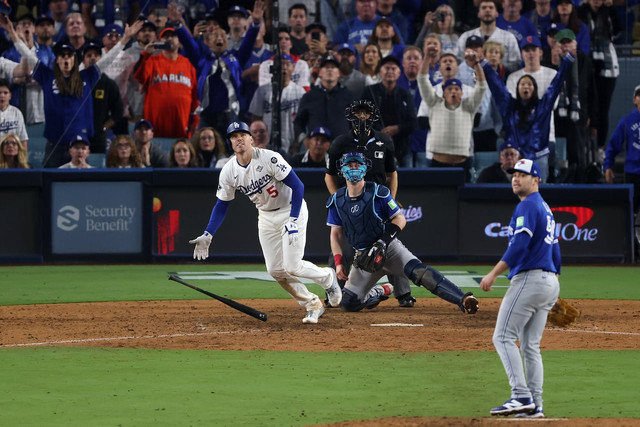
Introduction
Baseball matchups between the Toronto Blue Jays and Los Angeles Dodgers attract considerable attention because both teams feature talented hitters, experienced pitchers, and players capable of changing a game within a few innings. Their meetings offer an interesting combination of offensive power, defensive discipline, pitching strategy, and individual brilliance. For baseball fans, examining player statistics is one of the best ways to understand how these competitive games develop.
The Toronto Blue Jays vs Dodgers match player stats provide a closer look at individual contributions, including hits, runs, home runs, runs batted in (RBIs), strikeouts, walks, and pitching performances. These numbers help explain which players influenced the result and how each team approached important situations. Rather than focusing exclusively on the final score, a detailed statistical review reveals the performances and decisions that shaped the contest.
In the current baseball landscape, statistics are also important for understanding player consistency, team depth, and tactical improvements. A batter’s ability to reach base, a pitcher’s command, or a timely defensive play can make a significant difference. Looking at these factors provides a more complete picture of the Blue Jays-Dodgers rivalry.
Understanding the Blue Jays vs Dodgers Matchup
The Toronto Blue Jays and Los Angeles Dodgers approach baseball with different strengths, although both organizations place considerable importance on offensive production and pitching depth. Toronto has traditionally relied on a combination of contact hitting, power from its middle-order batters, and athletic defensive players. The Dodgers, meanwhile, are widely recognized for their powerful lineup, disciplined plate appearances, and ability to generate scoring opportunities through multiple positions.
When evaluating the Toronto Blue Jays vs Dodgers match player stats, it is important to consider more than batting averages. A player might record only one hit but still contribute significantly through a walk, sacrifice fly, or important RBI. Similarly, a pitcher who allows several hits can still deliver a successful performance by limiting runs and recording strikeouts when runners are on base.
Why Individual Player Statistics Matter
Individual statistics help explain the relationship between player performance and team results. Batting average measures how frequently a hitter records a hit, while on-base percentage considers how often that player reaches base through hits, walks, and hit-by-pitches. Slugging percentage gives additional insight into power because it assigns greater value to extra-base hits.
Pitching statistics provide another important perspective. Earned run average (ERA), innings pitched, strikeouts, walks, and WHIP help evaluate a pitcher’s effectiveness. Together, these measurements show whether a pitcher controlled the opposition, maintained command, and prevented scoring opportunities.
Toronto Blue Jays vs Dodgers Match Player Stats: Batting Performance
Batting performances often determine the direction of a Blue Jays-Dodgers contest. Toronto’s offensive approach can involve building innings through singles, doubles, and patient plate appearances before converting scoring opportunities into runs. Vladimir Guerrero Jr. is an important example of a hitter whose combination of contact ability and power can influence an entire game. His ability to drive pitches into the gaps and hit home runs makes him a player opposing pitchers must approach carefully.
Bo Bichette has also been an important offensive contributor for Toronto, particularly through his ability to make consistent contact and produce extra-base hits. George Springer adds experience and offensive versatility, while Daulton Varsho provides a combination of defensive ability, speed, and occasional power. Addison Barger and Alejandro Kirk can also contribute valuable at-bats, giving the lineup additional opportunities to create pressure on opposing pitchers.
The Dodgers possess their own collection of dangerous hitters. Shohei Ohtani brings exceptional power and offensive production, while Freddie Freeman is known for his disciplined approach and ability to find gaps in defensive coverage. Mookie Betts contributes contact hitting, plate awareness, and versatility. Other contributors, including Teoscar Hernández and Will Smith, can change the direction of a contest with timely hits or home runs. Their collective production makes the Dodgers particularly challenging when the lineup reaches its middle and lower sections.
Important Batting Measurements
Several batting statistics deserve attention when comparing individual players from these teams:
-
At-bats (AB): The number of official opportunities a hitter receives at the plate.
-
Hits (H): The total number of successful hits recorded by a player.
-
Runs batted in (RBI): The number of runs a batter helps score through an official batting result.
-
Home runs (HR): Hits that allow the batter to circle all four bases and score.
-
On-base percentage (OBP): A measurement of how frequently a player reaches base.
These figures become more meaningful when considered together. For example, a player with two hits and two RBIs may have a greater influence on the final score than someone recording three singles without producing a run.
Recent Match Performance and Score Analysis
One useful example of the statistical competition between these teams is a documented game in which Toronto defeated Los Angeles by 6–2. The Blue Jays collected 11 hits, while the Dodgers recorded six. Toronto’s offense produced two runs in the third inning and added four more in the seventh, demonstrating how a team can turn individual opportunities into a decisive advantage.
Vladimir Guerrero Jr. was one of Toronto’s leading performers in that contest. He recorded two hits in four at-bats, scored twice, drove in two runs, and hit a home run. His home run came in the third inning against Shohei Ohtani and helped establish Toronto’s offensive momentum. Ernie Clement also recorded two hits, while Nathan Lukes contributed two hits and a run. Addison Barger added two hits and an RBI, providing further support to the lineup.
Toronto’s scoring was not dependent on one player alone. Bo Bichette contributed an RBI, Andrés Giménez added another, and several other hitters helped create the opportunities that eventually produced the seventh-inning scoring burst. This illustrates why team-wide batting statistics are important when evaluating the outcome of a baseball game.
The Dodgers had fewer successful hits in this particular contest. Freddie Freeman recorded two hits, while Tommy Edman contributed to the team’s scoring production. Although Los Angeles managed to score twice, it struggled to maintain offensive pressure throughout the game. The difference between 11 Toronto hits and six Dodgers hits highlights the importance of consistent offensive production.
Player Statistics Comparison Table
The following table summarizes selected performances from the documented 6–2 Toronto victory. These are individual game statistics, not season averages or predictions for a future meeting.
| Player | Team | At-bats | Hits | Runs | RBI | Home runs |
|---|---|---|---|---|---|---|
| Vladimir Guerrero Jr. | Blue Jays | 4 | 2 | 2 | 2 | 1 |
| Ernie Clement | Blue Jays | 4 | 2 | 1 | 0 | 0 |
| Nathan Lukes | Blue Jays | 3 | 2 | 1 | 0 | 0 |
| Addison Barger | Blue Jays | 5 | 2 | 0 | 1 | 0 |
| Bo Bichette | Blue Jays | 4 | 1 | 0 | 1 | 0 |
| Andrés Giménez | Blue Jays | 3 | 1 | 1 | 1 | 0 |
| Freddie Freeman | Dodgers | 4 | 2 | — | — | 0 |
Source: Published game box score. A dash indicates that the corresponding figure is not included in the cited statistical summary.
This comparison demonstrates Toronto’s offensive advantage in that game. Guerrero Jr. delivered the biggest individual power contribution, but the performances from Clement, Lukes, Barger, Bichette, and Giménez helped Toronto build a stronger overall result. Freeman’s two hits showed that the Dodgers also had productive individual moments, even though the team struggled to convert enough opportunities into runs.
Pitching Performance: Blue Jays vs Dodgers
Pitching is one of the most important elements of a Toronto-Dodgers matchup. Even when both teams have powerful batting lineups, the starting pitchers can determine how easily hitters find opportunities to score. A strong starting pitcher controls the pace, limits walks, and prevents opposing batters from making consistent contact. Relief pitchers then become responsible for protecting the advantage during the later innings.
In the 6–2 Toronto victory, Shane Bieber delivered an effective starting performance. He pitched 5.1 innings, allowed four hits and one earned run, and recorded three strikeouts. His ability to limit the Dodgers’ scoring opportunities helped Toronto maintain control of the contest. Chris Bassitt also made an important contribution from the bullpen, pitching two scoreless innings while allowing only one hit and recording two strikeouts.
Shohei Ohtani started for Los Angeles in the same game. He pitched six innings, surrendered six earned runs on the Toronto offense, and recorded six strikeouts. Although he demonstrated his ability to generate strikeouts, Toronto’s hitters successfully created scoring opportunities against him. This performance illustrates how even an accomplished pitcher can face difficulties when opponents combine patient hitting with timely power.
Important Pitching Statistics
The following measurements are particularly useful when reviewing the Toronto Blue Jays vs Dodgers match player stats:
Innings Pitched (IP): This indicates how long a pitcher remains on the mound. More innings can reduce pressure on the bullpen when the pitcher is performing effectively.
Earned Run Average (ERA): ERA measures the average number of earned runs a pitcher allows over nine innings. A lower ERA generally indicates better run prevention.
Strikeouts (K): Strikeouts show how frequently a pitcher retires hitters without requiring a defensive play.
Walks (BB): Walks measure how many batters receive first base because of four balls. Excessive walks can create dangerous scoring situations.
WHIP: Walks plus hits per inning pitched measures how frequently a pitcher allows opposing hitters to reach base.
These statistics should be evaluated together rather than separately. A pitcher might record several strikeouts but still struggle if walks and extra-base hits create scoring opportunities. Likewise, a pitcher with fewer strikeouts can deliver an excellent performance through ground balls, defensive support, and efficient pitch selection.
Key Players to Watch in Toronto Blue Jays vs Dodgers Games
Both teams have players capable of influencing the result through individual brilliance. Their performances can also provide useful information about the strengths and weaknesses of each lineup.
Vladimir Guerrero Jr.
Vladimir Guerrero Jr. is one of Toronto’s most important offensive players. His strength, bat speed, and ability to make contact with different pitch locations allow him to generate extra-base hits and home runs. When he is confident at the plate, opposing pitchers must carefully consider their pitch selection.
His performance in the documented 6–2 matchup demonstrates his importance. Recording two hits, two runs, two RBIs, and a home run made him one of the most influential players in the contest. His ability to contribute in multiple statistical categories makes him an essential player to examine when reviewing Toronto’s offensive production.
Bo Bichette
Bo Bichette brings a different type of offensive contribution. His contact-hitting ability and capacity to produce line drives can help Toronto maintain pressure on opposing pitchers. He can also contribute important runs through timely singles and doubles.
His value should not be measured exclusively through home runs. Consistent contact, the ability to advance runners, and successful at-bats in difficult situations are equally important. These contributions can become especially valuable during close games when one additional run can change the result.
Shohei Ohtani
Shohei Ohtani is a major offensive attraction for the Dodgers. His home-run ability, speed, and capacity to produce runs make him a constant threat whenever he steps into the batter’s box. His offensive statistics deserve particular attention because he can influence games through both power and productive base running.
When evaluating his overall contribution, fans should examine hits, home runs, RBIs, walks, and strikeouts. These figures provide a more complete understanding of his offensive effectiveness than batting average alone.
Freddie Freeman and Mookie Betts
Freddie Freeman is known for his balanced offensive approach and ability to produce consistent contact. His experience makes him an important part of the Dodgers’ batting order. Mookie Betts adds versatility, speed, defensive skills, and the ability to generate offensive opportunities.
Together, these players provide Los Angeles with important offensive depth. Their contributions can help the Dodgers recover from difficult innings and put pressure on opposing pitchers.
How Team Strategies Influence Player Statistics
The final statistics of a baseball game are closely connected to managerial decisions and overall team strategy. Toronto may focus on making pitchers work through longer at-bats, creating opportunities for walks, and using aggressive hitting when a favorable pitch appears. This approach can increase the opposing pitcher’s workload and create opportunities for the bullpen to enter the game under pressure.
The Dodgers can counter this approach through pitching changes, defensive adjustments, and careful management of their batting order. Their hitters can also take advantage of mistakes in pitch location, particularly when runners are already on base. A well-timed extra-base hit can quickly transform a close contest into a high-scoring inning.
Several additional factors influence the statistical outcome:
-
Batting order: The placement of power hitters can determine how frequently scoring opportunities arise.
-
Bullpen management: Selecting the right relief pitcher can prevent late-inning runs.
-
Defensive positioning: Proper positioning can turn potential hits into outs.
-
Base running: Stolen bases and aggressive advancement can create additional scoring chances.
Weather, stadium conditions, player fitness, and the quality of opposing pitching can also influence individual performances. Therefore, a single game should never be treated as a complete representation of a player’s season-long ability.
How to Analyze Player Stats Before a Match
Fans who want to understand an upcoming Blue Jays-Dodgers game should examine recent performances rather than relying exclusively on historical reputations. A player who has recorded several hits in recent games may be entering the contest with good batting rhythm. Similarly, a starting pitcher who consistently delivers quality innings may give his team a significant advantage.
The Toronto Blue Jays vs Dodgers match player stats become particularly useful when comparing players in similar situations. For example, evaluating a hitter’s performance against right-handed and left-handed pitchers can reveal useful matchup patterns. Looking at home and away statistics may also provide additional context, although these differences should be considered alongside the sample size.
Another important factor is the starting lineup. Not every player participates in every game, and managerial decisions can change the available offensive options. Injuries, rest days, substitutions, and pitching rotations may all influence the final player statistics. Checking the confirmed lineup is therefore essential before drawing conclusions about individual matchups.
For a balanced evaluation, consider these areas:
-
Recent batting average and on-base percentage.
-
Home runs, RBIs, and extra-base hits.
-
Starting pitcher ERA, WHIP, and strikeout numbers.
-
Bullpen effectiveness and recent workload.
Combining these measurements provides a stronger foundation for understanding the possible direction of a contest.
Why the Blue Jays vs Dodgers Rivalry Attracts Attention
The appeal of this matchup comes from the different strengths of two competitive baseball organizations. Toronto brings its own offensive identity, defensive capabilities, and pitching options, while Los Angeles offers a lineup featuring experienced players and considerable power. When these strengths meet, the result can be an entertaining contest with several important individual performances.
The statistical competition also attracts fantasy baseball followers, sports analysts, and fans who enjoy studying player development. Individual batting and pitching records help people understand which players are producing consistent results and which ones are delivering important performances in specific situations.
For supporters, the most interesting moments are often not limited to home runs. A difficult defensive catch, a successful stolen base, a strikeout with runners in scoring position, or a timely two-out hit can become equally important. These details explain why a complete statistical analysis is more informative than simply checking the scoreboard.
The Toronto Blue Jays vs Dodgers match player stats also help establish a historical record of individual achievements. Comparing performances across different meetings allows fans to identify recurring patterns, evaluate player consistency, and understand how each team adapts to its opponent.
Conclusion
The Toronto Blue Jays and Los Angeles Dodgers offer an exciting baseball matchup because both teams have the offensive talent and pitching resources to produce competitive performances. Individual statistics such as hits, batting average, home runs, RBIs, strikeouts, ERA, and WHIP provide valuable information about how players influence the game.
The documented 6–2 Toronto victory highlights the importance of balanced offensive production and effective pitching. Vladimir Guerrero Jr. delivered an outstanding batting performance, while Shane Bieber and the Toronto bullpen helped restrict the Dodgers’ scoring opportunities. Contributions from other Blue Jays hitters further demonstrated that successful team performances depend on collective effort rather than one individual alone.
Ultimately, understanding the Toronto Blue Jays vs Dodgers match player stats requires looking beyond the final score. Examining individual performances, pitching effectiveness, offensive consistency, and tactical decisions gives fans a clearer understanding of the contest. Whether following Toronto’s power hitters or the Dodgers’ experienced lineup, detailed player statistics remain one of the best ways to appreciate the strategy, skill, and excitement of baseball.

