


Introduction
India and New Zealand have developed an exciting cricket rivalry over the years, producing memorable matches across Test cricket, One Day Internationals (ODIs) and Twenty20 Internationals (T20Is). Both teams are recognised for their disciplined approach, talented players and ability to perform under pressure. Whenever these sides meet, cricket fans can expect competitive contests, tactical battles and individual performances that can influence the outcome of a match.
The interest in IND vs NZ goes beyond the final score. Supporters follow team announcements, playing combinations, batting performances, bowling strategies and important developments before and during each game. India’s strong batting resources and New Zealand’s organised cricketing approach make their encounters interesting across different formats. Understanding the current context, team strengths and match conditions helps fans enjoy the contest with a better perspective.
Current IND vs NZ Series: October–December 2026
The India tour of New Zealand in 2026 is an important international cricket assignment featuring five T20I matches, five ODIs and two Test matches. The tour began on October 22, with Christchurch hosting the opening two T20I fixtures. Wellington hosted the third match, while Auckland and Hamilton are the venues for the remaining T20I games. The teams will then move towards the ODI and Test portions of the tour, providing opportunities to assess players across different formats.
India made a strong start by winning the first three T20I matches. The opening game ended with India scoring 230/6 while chasing New Zealand’s 225/4, securing a four-wicket victory. India repeated the four-wicket result in the second match, chasing 180/5 with 181/6. In Wellington, the visitors produced another successful chase, reaching 199/4 in just 13.2 overs after New Zealand posted 198/3. These results gave India a 3–0 advantage in the five-match series.
The fourth T20I is scheduled for October 30 at Eden Park in Auckland, followed by the fifth match on November 1 at Seddon Park in Hamilton. The fourth match is underway according to the latest available live score information, with India electing to field. This makes the Auckland contest an important opportunity for New Zealand to respond and for India to test its combinations before the remaining international fixtures.
Complete India vs New Zealand 2026 Schedule
The tour includes several important fixtures, giving supporters plenty of cricket to follow. The schedule also provides a useful overview for fans who want to track upcoming games and understand how the teams will move between formats.
| Match | Date | Venue |
|---|---|---|
| 1st T20I | October 22 | Christchurch |
| 2nd T20I | October 24 | Christchurch |
| 3rd T20I | October 27 | Wellington |
| 4th T20I | October 30 | Auckland |
| 5th T20I | November 1 | Hamilton |
| 1st ODI | November 4 | Auckland |
| 2nd ODI | November 7 | Wellington |
| 3rd ODI | November 10 | Hamilton |
| 4th ODI | November 13 | Mount Maunganui |
| 5th ODI | November 15 | Mount Maunganui |
| 1st Test | November 19 | Wellington |
| 2nd Test | November 27 | Christchurch |
The T20I matches are scheduled to begin at 12:30 PM Indian Standard Time. The ODI and Test fixtures have different starting times according to their formats and local schedules. Fans should check the latest match announcements for any changes to timings or venues.
India Team Performance and Playing Strength
India entered the New Zealand tour with a squad featuring a combination of experienced international players and younger cricketers. The team’s batting resources provide flexibility in the T20 format, where quick scoring, smart shot selection and the ability to accelerate during the middle overs are essential. Players such as Abhishek Sharma, Sanju Samson, Shreyas Iyer and Tilak Varma bring different batting approaches, allowing the management to adjust the lineup according to match conditions.
The first three matches demonstrated India’s ability to handle challenging run chases. Sanju Samson made an important contribution in the opening game, scoring 67 runs from 33 deliveries. Tilak Varma also delivered a valuable performance in the second match with 51 runs from 26 balls. Abhishek Sharma has been another significant contributor, providing attacking starts and maintaining pressure on opposition bowlers. These performances have helped India establish momentum during the opening stage of the tour.
India’s bowling department also has several options. Arshdeep Singh offers left-arm pace and the ability to bowl during important phases, while Axar Patel provides control through spin and useful lower-order batting. Other pace and spin options allow the captain to make changes depending on the pitch, weather and opposition batting combination. A balanced bowling attack is particularly important in New Zealand, where conditions can sometimes assist seam bowlers.
New Zealand Team Performance and Challenges
New Zealand have traditionally been competitive in home conditions because their players understand local pitches, weather patterns and ground dimensions. Their cricketing approach often focuses on partnerships, disciplined bowling and making effective use of opportunities. During the opening three T20Is, however, the team struggled to defend competitive totals against India’s aggressive batting lineup.
Players such as Finn Allen, Tim Seifert, Glenn Phillips, Daryl Mitchell and Mitchell Santner are important parts of New Zealand’s cricketing setup. Their individual abilities offer different solutions in challenging situations. Allen can provide attacking starts, Phillips can accelerate in the middle overs, and Mitchell brings experience in building innings. Santner’s contribution with both bat and ball makes him an important part of the team’s overall balance.
New Zealand need to improve their bowling execution, especially when defending totals. Giving away boundaries during the powerplay or allowing batters to dominate the middle overs can make it difficult to control a T20 match. The team also needs to maintain batting consistency rather than depending on one or two players to produce major contributions. A stronger collective performance will be important in the remaining matches.
Key Players to Watch During the Series
Individual performances can influence the direction of an international cricket series. Both teams have players capable of changing a match within a few overs, whether through aggressive batting, accurate bowling or outstanding fielding. For supporters following IND vs NZ, keeping an eye on these players provides a better understanding of the tactical battles taking place throughout the tour.
Important Indian players include:
-
Abhishek Sharma: An aggressive batter capable of providing quick starts during the powerplay.
-
Sanju Samson: An attacking wicketkeeper-batter who can accelerate the scoring rate.
-
Shreyas Iyer: An experienced batter who can build partnerships and handle pressure.
-
Axar Patel: A versatile all-rounder who contributes with both batting and left-arm spin.
-
Arshdeep Singh: A left-arm fast bowler who can be effective with the new ball and during the final overs.
New Zealand also have several players who can make significant contributions. Finn Allen’s attacking batting can put pressure on India’s bowlers, while Glenn Phillips is capable of changing the scoring rate during the middle overs. Daryl Mitchell offers stability, and Mitchell Santner provides leadership and valuable all-round skills. Their performances will be important as New Zealand attempt to improve their results during the remaining fixtures.
Head-to-Head Record Between India and New Zealand
The historical rivalry between these teams includes several memorable encounters in international cricket. Both sides have experienced successful periods across different formats, and their head-to-head records reflect the competitive nature of their contests. India’s batting depth and spin resources have often played important roles, while New Zealand have regularly relied on disciplined bowling, effective fielding and strong partnerships.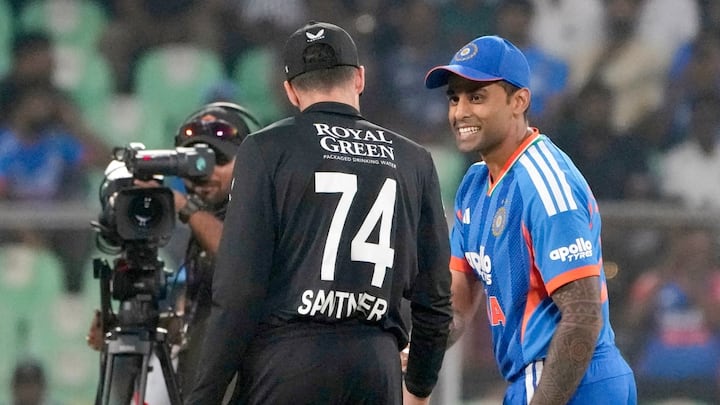
In T20 international cricket, India have generally enjoyed a positive record against New Zealand. The 2026 series has added another interesting chapter, particularly after India’s three consecutive victories in the opening matches. However, historical records should always be considered separately from current performances because team combinations, player availability and match conditions change over time.
The rivalry is equally interesting in ODIs and Test cricket. Longer formats demand patience, technical consistency and the ability to adapt to changing conditions. New Zealand’s home advantage can become important in these matches, while India have the resources to compete through experienced batters, quality fast bowlers and effective spinners.
Importance of Pitch and Weather Conditions
Playing cricket in New Zealand presents different challenges compared with playing in India. Local pitches can offer movement to fast bowlers, especially when atmospheric conditions are favourable. Batters need to judge the length carefully and avoid committing too early to attacking shots. A delivery that might be easier to play on a slower Indian surface can become more difficult when it moves through the air or off the pitch.
Eden Park in Auckland is known for its distinctive dimensions, which can influence batting and bowling strategies. Shorter boundaries in certain areas can encourage attacking strokes, while bowlers need to consider their line, length and variations carefully. Teams must also assess the surface before deciding how to approach the powerplay and middle overs.
Weather is another important factor during the New Zealand tour. Cloud cover, wind and changing temperatures may influence playing conditions. Captains and coaching staff need to consider these factors when selecting their playing XI and deciding whether to bat or field first. Adaptability can make a significant difference when teams travel between different venues.
What Makes the T20I Contest Interesting?
T20 cricket is a format where momentum can change quickly. A team may dominate the opening overs but lose control after a few wickets. Similarly, a successful batting partnership can completely change the situation within a short period. This is one reason supporters enjoy following IND vs NZ in the shortest international format.
The powerplay is especially important because batting teams attempt to score quickly while using the fielding restrictions. Opening batters need to balance attacking intentions with responsible shot selection. Losing several wickets early can create pressure on the middle order, while a strong start can provide a foundation for a competitive total.
The middle overs require a different approach. Batters must rotate the strike, identify scoring opportunities and avoid unnecessary risks. Spinners and slower bowlers often become important during this phase because they can control the scoring rate. In the final overs, execution becomes essential as batters look for boundaries and bowlers attempt to prevent expensive deliveries.
How Fans Can Follow Match Updates
Cricket supporters have several ways to stay informed about international fixtures. Live scorecards provide information about runs, wickets, overs, partnerships and individual performances. Ball-by-ball commentary also explains important moments, including boundaries, dismissals, reviews and changes in momentum.
For people unable to watch a complete match, score summaries and match reports can provide a useful overview. These updates explain how the innings developed, which players contributed significantly and what influenced the final result.
Fans following the series should pay attention to a few important details:
-
Match date, starting time and venue.
-
Confirmed playing XI and replacement announcements.
-
Current score, run rate and required run rate.
-
Batting partnerships and bowling figures.
-
Match result and player of the match.
Checking confirmed information is particularly important before discussing team selections or injury updates. Speculation about playing combinations should not be confused with official announcements.
Upcoming ODI and Test Matches
After the five-match T20I series, India and New Zealand will move towards the ODI leg of the tour. The five-match ODI series begins on November 4 in Auckland and continues through November 15. The matches will be played across Auckland, Wellington, Hamilton and Mount Maunganui.
The ODI format presents a different challenge because teams have more overs to build their innings and plan their bowling strategies. Batters need to establish partnerships while maintaining a healthy scoring rate. Bowlers must create pressure through consistent line and length, effective changes of pace and well-planned field placements.
The two-match Test series will follow the ODIs, beginning on November 19 in Wellington. The second Test is scheduled to start on November 27 in Christchurch. Test cricket places greater importance on patience, technique, fitness and consistency. Players must adapt to different phases of the game, including batting under pressure, bowling extended spells and maintaining concentration over several days.
For India, performing well across all three formats will require careful player management and suitable combinations. New Zealand will also look to use home conditions effectively. The longer tour gives both teams opportunities to evaluate their strengths and address weaknesses before future international commitments.
Why This Cricket Rivalry Attracts Global Attention
India and New Zealand have developed a strong international cricket following because their matches often involve different playing styles and interesting tactical decisions. Indian cricket supporters bring enormous enthusiasm to international fixtures, while New Zealand supporters appreciate disciplined performances and competitive team cricket.
The teams have also met in important international tournaments, including World Cup competitions and other major events. Such encounters have contributed to the history of their rivalry and created memorable moments for cricket fans. Each new series provides another opportunity for players to establish themselves and deliver performances that supporters remember.
The current tour is also significant because it provides competitive exposure to players who may have important roles in upcoming international tournaments. Young cricketers can gain experience against quality opposition, while experienced players can demonstrate their consistency and leadership. These opportunities make bilateral series valuable beyond the immediate match results.
Conclusion
India and New Zealand continue to provide exciting international cricket through their contrasting strengths, talented players and competitive approach. The 2026 tour has already produced three T20I victories for India, with the fourth and fifth matches offering New Zealand opportunities to respond. The upcoming ODI and Test fixtures will bring additional challenges and require both teams to adjust their strategies according to the format and playing conditions.
For cricket supporters, IND vs NZ remains an interesting contest to follow because every match offers new performances, tactical developments and opportunities for individual players to make an impact. From explosive batting and disciplined bowling to important partnerships and memorable finishes, the series provides plenty of reasons to stay engaged. Following confirmed team news, match results and player statistics can help fans understand the bigger picture as the international tour progresses.

