


Introduction
Indian women’s hockey has developed into one of the most exciting stories in international sports. Over the years, the country has produced talented players who have represented India with determination, discipline and remarkable passion. From competing against established international teams to achieving memorable victories in major tournaments, the national side has gradually established itself as a strong force in women’s field hockey. Its journey reflects the dedication of athletes, coaches, support staff and the growing interest in women’s sports across the country.
The Indian women’s hockey team has entered an especially important phase in 2026. Strong performances in international competitions, improved team coordination and the emergence of promising young players have helped India build confidence ahead of future challenges. Under the leadership of captain Salima Tete and chief coach Sjoerd Marijne, the team has demonstrated its ability to compete at a high level. Its achievements during the year, particularly at the FIH Hockey Women’s World Cup and Asian Games, have created fresh excitement among hockey supporters.
Women’s hockey in India is no longer viewed simply as a developing sport. It has become an important part of the country’s sporting identity, inspiring young athletes to pursue professional careers. Understanding the team’s history, current players, achievements, playing style and upcoming competitions provides a clearer picture of how Indian women’s hockey is progressing.
History and Development of Women’s Hockey in India
The history of women’s hockey in India is filled with determination and gradual progress. The national side has participated in international competitions for several decades, helping introduce Indian talent to the global hockey community. The team made its first appearance at the FIH Women’s Hockey World Cup in 1974, finishing fourth in the inaugural edition. This achievement remains an important milestone because it demonstrated that Indian players could compete successfully against some of the strongest teams in the world.
During the following decades, the sport experienced different phases of development. Limited infrastructure, fewer professional opportunities and financial challenges affected the growth of women’s hockey. However, talented athletes continued representing the country and building a foundation for future generations. Participation in the Olympics, Asian Games, Commonwealth Games and other international competitions gradually increased the team’s experience and visibility.
The 1980 Moscow Olympics represented another important moment because women’s hockey appeared in the Olympic programme, with India finishing fourth. The team also won the Asian Games gold medal in 1982, establishing its position among Asia’s leading hockey nations. These historical achievements continue to motivate current players who want to create their own memorable moments on the international stage.
The Current Performance of the Indian Women’s Hockey Team in 2026
The year 2026 has been particularly significant for Indian women’s hockey. The side demonstrated considerable improvement through its performances in international tournaments, including the FIH Hockey Women’s World Cup and the Asian Games. These competitions provided opportunities to test tactical improvements, evaluate combinations and compete against experienced international opponents.
At the FIH Hockey Women’s World Cup 2026, India achieved a historic fifth-place finish. This was its best result since finishing fourth at the inaugural tournament in 1974. The performance was important because it reflected the team’s ability to compete consistently at a major global event. The players showed improved defensive organisation, attacking confidence and the ability to handle pressure against strong opponents.
Another major achievement followed at the Asian Games in Japan. India won the women’s hockey gold medal after defeating China 1–0 in the final on October 2, 2026. The victory was particularly meaningful because it ended a 44-year wait for a second Asian Games gold medal in women’s hockey. It also secured direct qualification for the Los Angeles 2028 Olympic Games, giving the players an important advantage in their long-term preparations.
Leadership and Coaching Strategy
Leadership plays a significant role in the performance of any international sports team. In Indian women’s hockey, captain Salima Tete has become an important figure because of her energy, commitment and ability to motivate teammates. Her midfield presence allows India to connect defensive movements with attacking opportunities. She also helps maintain communication between different departments of the team, particularly during difficult periods of a match.
Chief coach Sjoerd Marijne has also contributed to the team’s development. He returned to the Indian women’s programme in 2026 and focused on improving fitness, team chemistry and tactical discipline. His coaching approach emphasises collective responsibility rather than depending entirely on individual performances. Players are encouraged to understand their responsibilities, maintain positional awareness and make quick decisions when possession changes. The combination of experienced leadership and modern coaching methods has helped India become more organised and competitive.
The team’s success in 2026 suggests that these improvements are producing positive results. However, maintaining consistency against top-ranked international opponents will remain an important challenge. International hockey requires excellent fitness, technical ability and the capacity to adapt quickly to different playing styles.
Key Players in the Indian Women’s Hockey Team
India’s strength comes from having experienced international players alongside younger athletes who are developing their skills. Every department contributes differently, and the balance between defence, midfield and attack is essential for producing successful performances.
The squad announced for the 2026 Asian Games included several familiar names and emerging talents. Goalkeeper Savita brings extensive international experience, while Bichu Devi Kharibam provides another option in the goalkeeping department. Defenders such as Sushila Chanu Pukhrambam, Ishika Chaudhary and Jyoti contribute to defensive stability. In midfield, Salima Tete, Nikki Pradhan, Neha and Sunelita Toppo help control the pace and direction of the game.
The attacking department features players such as Navneet Kaur, Lalremsiami, Deepika, Beauty Dungdung and Baljeet Kaur. Their responsibilities include creating scoring opportunities, making intelligent runs and converting chances inside the opposition circle. The combination of experienced international players and emerging performers gives the team flexibility when selecting formations and strategies.
Important Players and Their Roles
| Player | Position | Main contribution |
|---|---|---|
| Savita | Goalkeeper | Shot-stopping and defensive organisation |
| Bichu Devi Kharibam | Goalkeeper | Goalkeeping depth and quick reactions |
| Salima Tete | Midfielder | Leadership and midfield coordination |
| Nikki Pradhan | Midfielder | Ball distribution and defensive support |
| Navneet Kaur | Forward | Attacking movement and goal-scoring |
| Lalremsiami | Forward | Speed and creative attacking play |
| Deepika | Forward | Finishing and attacking pressure |
| Sushila Chanu | Defender | Experience and defensive organisation |
These players represent different strengths, and their combined contribution makes the squad more balanced. Their roles may change depending on the opponent, match situation and tactical requirements.
Playing Style and Tactical Strengths
Modern international hockey demands speed, accurate passing and intelligent positioning. Teams must be capable of switching between attacking and defensive responsibilities within seconds. India has increasingly focused on developing these qualities to compete with leading hockey nations. Its playing style combines quick transitions, coordinated midfield movement and attacking pressure around the opposition’s circle.
The midfield plays a particularly important role because it connects the defenders with the forwards. Players such as Salima Tete and Nikki Pradhan help maintain possession, identify passing opportunities and control the speed of attacks. When the team moves forward, the forwards attempt to stretch the opposition defence through movement and overlapping runs. This approach creates space for penalty corners and shots on goal.
Defensive discipline is equally important. A strong defensive structure prevents opponents from creating easy scoring opportunities and allows the team to regain possession. Goalkeepers must communicate effectively with defenders, while midfielders need to provide support when the opposition launches counterattacks. Penalty corners are another important aspect because they can decide closely contested international matches.
Some of the major tactical strengths developed by the side include:
-
Quick transitions: Moving from defence to attack without unnecessary delays.
-
Midfield coordination: Maintaining possession and controlling the tempo.
-
Defensive organisation: Protecting the circle and limiting opposition opportunities.
-
Attacking movement: Creating space through intelligent runs and accurate passing.
-
Penalty-corner execution: Making the most of important scoring opportunities.
These qualities require continuous practice and coordination. Even a technically talented squad can struggle without effective communication and tactical understanding.
Major Achievements and International Recognition
The achievements of Indian women’s hockey provide a useful way to understand the team’s progress. Its history includes memorable performances at the Olympics, Asian Games, World Cup and continental competitions. While some tournaments have brought disappointing results, others have demonstrated the potential of Indian players to compete against the world’s best.
The fourth-place finish at the 1974 World Cup remains a historic achievement. India’s fourth-place result at the 1980 Moscow Olympics also demonstrated its international potential. The Asian Games gold medals in 1982 and 2026 represent two particularly important moments in the team’s journey.
In recent years, the team has also earned recognition through its performances in continental competitions. Its Asian Champions Trophy successes in 2016, 2023 and 2024 established India as a major contender in Asian women’s hockey. The silver medal at the 2025 Women’s Asia Cup and the 2026 FIH Nations Cup victory further contributed to the team’s international progress.
The following table summarises some significant milestones.
| Year | Tournament | Achievement |
|---|---|---|
| 1974 | Women’s Hockey World Cup | Fourth place |
| 1980 | Moscow Olympic Games | Fourth place |
| 1982 | Asian Games | Gold medal |
| 2016 | Asian Champions Trophy | Gold medal |
| 2023 | Asian Champions Trophy | Gold medal |
| 2024 | Asian Champions Trophy | Gold medal |
| 2025 | Women’s Asia Cup | Silver medal |
| 2026 | FIH Nations Cup | Gold medal |
| 2026 | Women’s Hockey World Cup | Fifth place |
| 2026 | Asian Games | Gold medal |
These milestones show how the team has developed through different generations. The latest achievements are particularly encouraging because they demonstrate that India can produce strong results at both continental and global competitions.
Upcoming Madhya Pradesh Women’s Asian Champions Trophy 2026
One of the most important upcoming assignments for the Indian women hockey team is the Madhya Pradesh Women’s Asian Champions Trophy 2026. The tournament is scheduled to take place from November 19 to November 28 in Bhopal, Madhya Pradesh. It will bring together six competitive teams: India, Japan, China, Malaysia, Thailand and South Korea.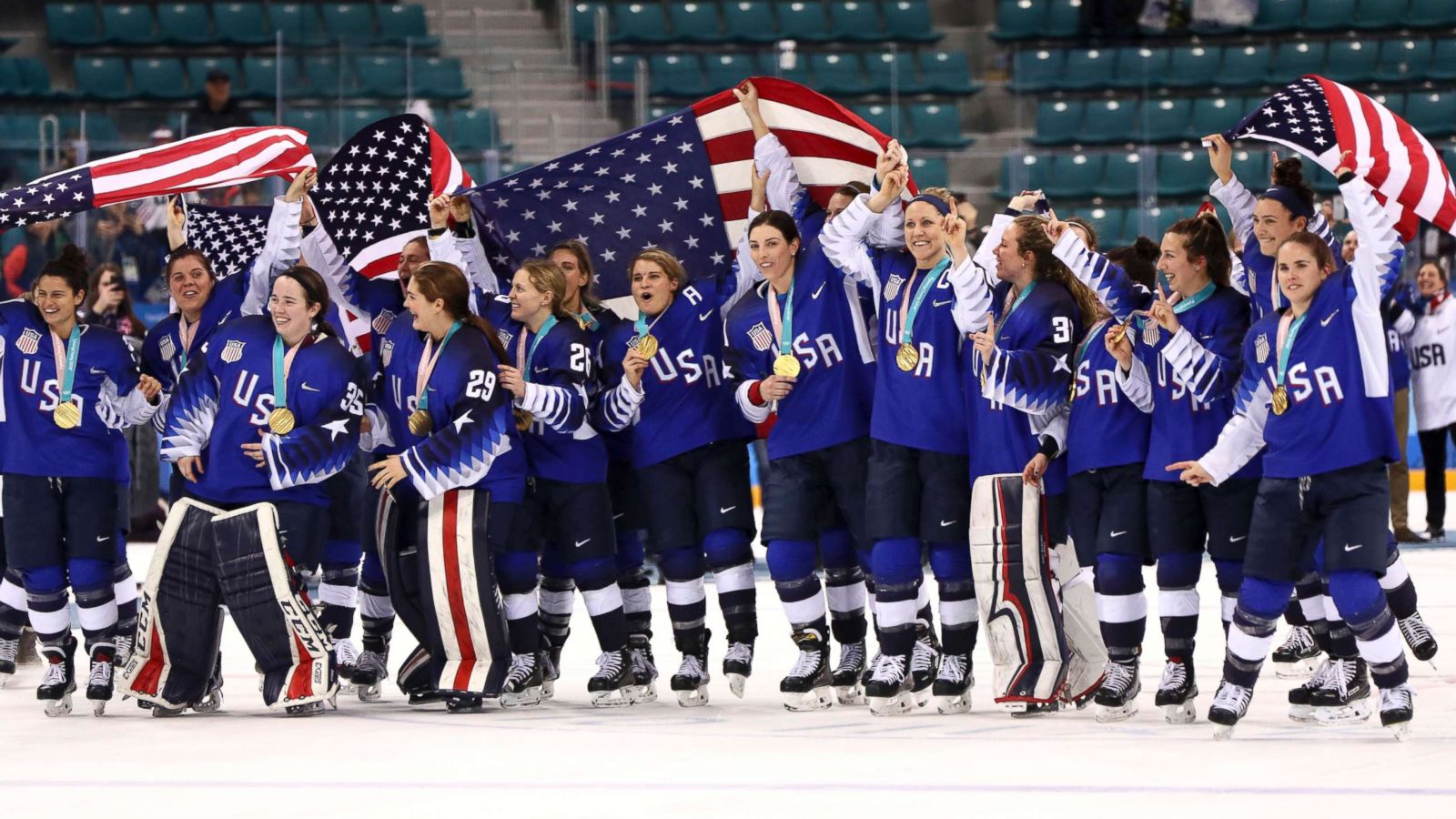
The competition will be especially important because India will enter as the defending champion following its successful Asian Champions Trophy campaigns. The tournament will follow a round-robin format, with every participating team playing five league matches. The top four teams will progress to the semi-finals before the final determines the champion.
India’s scheduled league matches are:
| Date | Opponent |
|---|---|
| November 19, 2026 | Malaysia |
| November 21, 2026 | South Korea |
| November 22, 2026 | Thailand |
| November 24, 2026 | China |
| November 25, 2026 | Japan |
The competition offers an opportunity to build on the Asian Games gold medal and demonstrate that India’s recent success was not an isolated achievement. Playing in front of home supporters could also provide additional motivation. However, teams such as China, Japan and South Korea are expected to provide challenging opposition.
Challenges Facing Indian Women’s Hockey
Despite its impressive progress, Indian women’s hockey continues to face several challenges. Competing consistently against leading international teams requires access to modern training facilities, professional coaching, sports science support and regular exposure to high-quality competitions. Maintaining these resources across different age groups is essential for building a sustainable national programme.
Fitness and injury management are also important concerns. International tournaments often involve several matches within a short period, leaving players with limited recovery time. Athletes must maintain physical strength while managing fatigue and avoiding injuries. Proper nutrition, rehabilitation and scientific training methods can help improve performance throughout demanding tournament schedules.
Another challenge involves developing young players who can eventually replace experienced international athletes. A successful national team needs a continuous supply of talented players rather than depending on a small group of established names. More opportunities in domestic competitions, junior tournaments and professional training programmes can help identify future international stars.
Role of Grassroots Hockey and Women’s Sports Development
The long-term success of the Indian women hockey team depends heavily on the development of hockey at the grassroots level. Young players need access to quality playing surfaces, trained coaches and competitive opportunities. Schools, sports academies and state-level associations can play an important role in identifying talented athletes and helping them develop professional skills.
Regions such as Jharkhand, Odisha, Haryana, Punjab and Manipur have contributed significantly to Indian hockey. Many successful players have emerged from communities where hockey is an important part of local sporting culture. Encouraging participation in these regions and expanding opportunities in other parts of India can make the talent pool more diverse.
Women’s sports development also requires greater visibility and public support. Television coverage, sponsorships, school competitions and local sporting events can encourage more girls to consider hockey as a professional career. When young athletes see Indian players achieving success internationally, they receive a powerful example of what dedication and consistent training can accomplish.
Why the Team Inspires Young Indian Athletes
The success of the national side has a value that goes beyond medals and tournament rankings. It provides young athletes with examples of determination, teamwork and perseverance. Many players have overcome difficult circumstances to represent India at international competitions. Their journeys demonstrate that sporting success requires patience, discipline and a willingness to improve continuously.
Captain Salima Tete’s leadership, Savita’s experience and the attacking ability of players such as Navneet Kaur and Lalremsiami offer different examples for aspiring hockey players. Young athletes can learn the importance of understanding their positions, communicating with teammates and remaining focused during challenging matches.
The team’s performances also encourage families and educational institutions to take women’s sports more seriously. Greater participation at the school and college levels can help create a stronger foundation for future international success. This growing interest is important because a successful sporting culture requires support from players, coaches, parents, institutions and spectators.
Future Goals and the Road to the Los Angeles 2028 Olympics
The next major objective for Indian women’s hockey is to maintain its international momentum and prepare effectively for the Los Angeles 2028 Olympic Games. Direct qualification through the 2026 Asian Games gold medal has provided an important advantage. The team can now focus on improving its performance rather than depending on another qualification tournament to secure its Olympic place.
Preparation for the Olympics will require careful planning. Coaches will need to evaluate player performances, improve tactical combinations and provide opportunities to emerging athletes. International exposure against strong European and Asian teams will also be important because Olympic competition brings together some of the most technically advanced teams in the sport.
The players must continue developing their attacking efficiency, defensive coordination and penalty-corner performance. Winning against Asian opponents is an important achievement, but maintaining competitiveness against countries with established hockey programmes will require further improvement.
The upcoming Bhopal tournament will provide another opportunity to assess the team’s progress. Strong performances there could strengthen confidence and help establish a positive direction for the next stage of preparation.
Conclusion
The journey of the Indian women hockey team reflects years of hard work, determination and continuous improvement. From its historic performances at the 1974 World Cup and 1980 Olympics to its Asian Games gold medals in 1982 and 2026, the team has created several memorable moments in Indian sporting history. Its fifth-place World Cup finish in 2026 has further demonstrated its growing ability to compete internationally.
The leadership of Salima Tete, the experience of senior players, the development of emerging talent and the guidance of Sjoerd Marijne have contributed to this progress. The upcoming Asian Champions Trophy in Bhopal will provide another opportunity to demonstrate the team’s strength in front of home supporters.
For the Indian women hockey team, the biggest objective now is to maintain consistency and prepare for the Los Angeles 2028 Olympics. Continued investment in grassroots development, professional training and international exposure will be essential. With the right preparation and collective determination, the Indian women hockey team has the potential to achieve even greater success and inspire another generation of hockey players.

