

Introduction
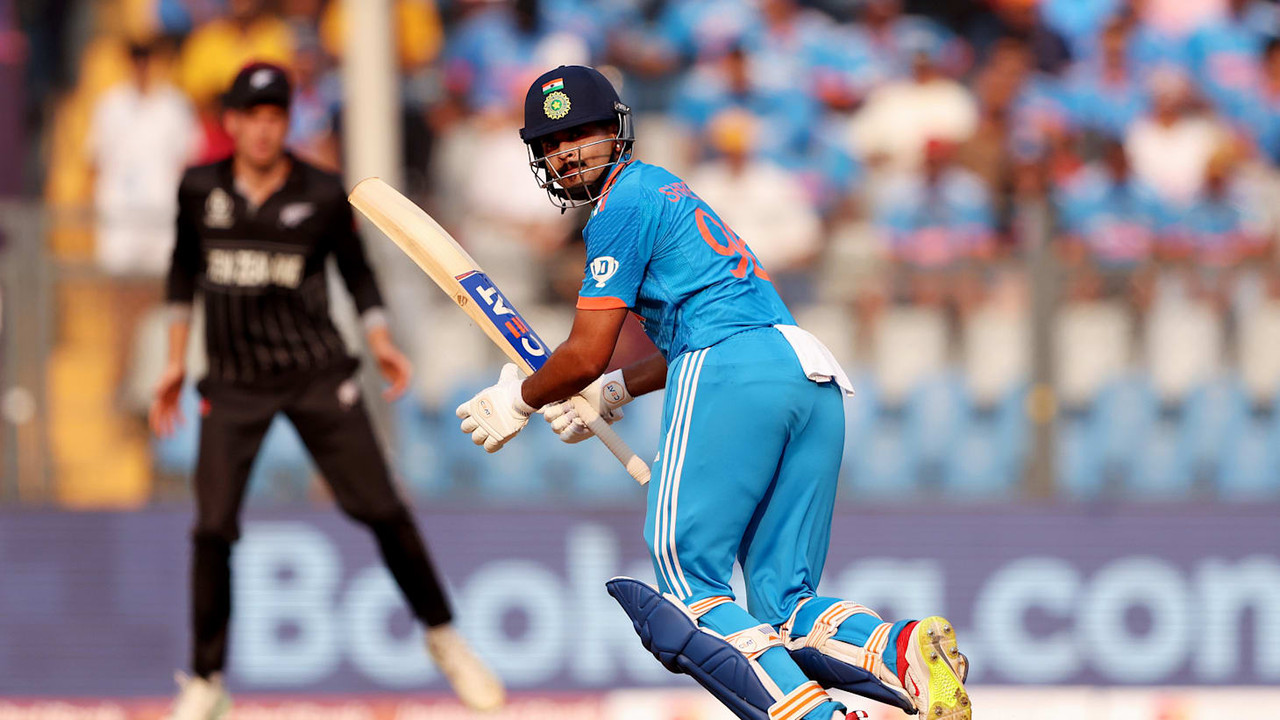
International cricket has produced several memorable rivalries, but few contests offer the combination of skill, discipline, competitive spirit and excitement associated with India and New Zealand. Both teams have developed strong cricketing traditions and regularly compete at the highest level across Test matches, One Day Internationals (ODIs) and T20 Internationals. Their encounters attract millions of cricket fans because every series brings new challenges, outstanding individual performances and opportunities for players to demonstrate their abilities under pressure.
The popularity of India vs New Zealand cricket has grown significantly over the years. India is recognised for its powerful batting line-up, experienced players and impressive spin-bowling resources, while New Zealand is respected for its disciplined approach, adaptable players and effective fast-bowling combinations. Although the two teams have different cricketing styles, their matches frequently produce closely contested situations that keep supporters interested until the final overs or sessions.
The 2026 tour has added another interesting chapter to this rivalry. The teams have already completed a five-match T20 International series, and attention has now shifted towards a five-match ODI contest followed by two Test matches in New Zealand. This multi-format competition provides an opportunity to assess the teams’ strengths, emerging talent and preparations for upcoming international tournaments.
Understanding the India and New Zealand Cricket Rivalry
The cricketing relationship between India and New Zealand has developed through decades of international competition. Their first Test encounters took place in the 1950s, when Indian cricket was gradually establishing itself internationally. Over time, both sides became more competitive, and their meetings started producing important moments in international cricket.
India has traditionally relied on technically strong batters who can build long innings and control the pace of a match. Players such as Sunil Gavaskar, Sachin Tendulkar, Rahul Dravid and Virat Kohli have contributed to India’s reputation for producing outstanding batters. New Zealand, meanwhile, has built its identity around teamwork, tactical awareness and players who can perform in challenging conditions. Its cricketing history includes influential names such as Richard Hadlee, Stephen Fleming, Brendon McCullum and Kane Williamson.
One reason this rivalry remains interesting is the difference between home and overseas conditions. Indian pitches can provide opportunities for spin bowlers, while New Zealand conditions frequently offer movement for fast bowlers, particularly when the weather is cloudy. Consequently, teams must adjust their strategies according to the venue, pitch behaviour and match format.
India vs New Zealand 2026 Series: Current Scenario
The 2026 tour is an important multi-format assignment for both teams. It includes five T20 Internationals, five ODIs and two Test matches, giving players opportunities to demonstrate their skills in different playing conditions.
India won the opening three T20 matches before New Zealand recovered by winning the final two games. The result demonstrated how quickly momentum can change in a competitive series. New Zealand’s performances in the final matches also highlighted the importance of adapting batting strategies and making effective use of bowling resources.
The focus has now moved towards the ODI competition, which begins on November 4, 2026, at Eden Park in Auckland. India will look to establish consistency in the 50-over format, while New Zealand will aim to benefit from familiar conditions and home support. The Test series is scheduled to follow later in November, adding another layer of competition to the tour.
India vs New Zealand 2026 Series Schedule
The 2026 tour features matches across different New Zealand venues, including Auckland, Wellington, Hamilton and Mount Maunganui. These grounds offer different playing conditions, making the series an interesting challenge for both teams. The ODI matches are particularly important because they allow players to develop partnerships, manage innings and demonstrate their ability to perform over 50 overs.
The following table provides an overview of the scheduled matches and their venues.
| Match | Date | Venue |
|---|---|---|
| 1st T20I | October 22 | Christchurch |
| 2nd T20I | October 24 | Christchurch |
| 3rd T20I | October 27 | Wellington |
| 4th T20I | October 30 | Auckland |
| 5th T20I | November 1 | Hamilton |
| 1st ODI | November 4 | Auckland |
| 2nd ODI | November 7 | Wellington |
| 3rd ODI | November 10 | Hamilton |
| 4th ODI | November 13 | Mount Maunganui |
| 5th ODI | November 15 | Mount Maunganui |
| 1st Test | November 19–23 | Wellington |
| 2nd Test | November 27–December 1 | Christchurch |
Dates and venues are based on the published 2026 tour schedule. Match timings and arrangements may be subject to change.
Recent T20 International Performances
The five-match T20I series provided an exciting beginning to the 2026 tour. India started strongly by winning the first three matches, demonstrating its ability to handle different conditions and maintain pressure during important moments. The team’s batting depth and aggressive approach helped it establish an early advantage.
New Zealand responded impressively in the final two matches. The home side produced a strong batting performance in Auckland, scoring 259 runs for seven wickets before restricting India to 172 for nine. New Zealand continued its comeback in Hamilton, successfully chasing India’s total of 191 to win the final match by seven wickets. India therefore finished the T20I series with a 3–2 victory. The results highlighted the competitive nature of the contest and demonstrated that neither side could afford to become complacent.
These performances also provide useful information about the teams’ strengths. India’s ability to win three consecutive matches showed its attacking potential, while New Zealand’s recovery demonstrated its capacity to adjust tactics after difficult results. Such experiences can influence team selection and confidence ahead of the longer formats.
First ODI: India Take the Advantage in Auckland
The opening ODI at Eden Park on November 4 added another important moment to the tour. India won the toss and elected to bowl, hoping to take advantage of the conditions and put pressure on New Zealand’s batting order.
New Zealand were dismissed for 185 runs in 40.2 overs. Tim Seifert contributed 38 runs, while Daryl Mitchell scored 28 and Glenn Phillips added 30. India’s bowling attack made important breakthroughs, with Arshdeep Singh taking four wickets and helping restrict the home side to a manageable total.
India’s chase was led by an outstanding innings from Virat Kohli, who scored 74 runs from 51 deliveries. After rain interrupted the match, India successfully reached the revised target of 143 runs in 22.4 overs, finishing at 143 for five and winning by five wickets under the Duckworth-Lewis-Stern method. The result gave India an early advantage in the ODI series.
This performance was particularly encouraging because it combined effective bowling with an experienced batting response. Kohli’s innings demonstrated the importance of controlling the chase while maintaining a healthy scoring rate. For New Zealand, the match highlighted the need to build stronger partnerships and make better use of the middle overs.
Key Indian Players to Watch
India has several experienced international cricketers who can influence the outcome of a match. The team’s strength comes from a combination of established performers and younger players looking to establish themselves in international cricket. Each player brings a different skill set, allowing the team management to make tactical adjustments depending on the opposition and conditions.
Virat Kohli
Virat Kohli remains one of India’s most important batting figures in international cricket. His ability to understand match situations, rotate the strike and accelerate when necessary makes him valuable in ODIs. He is particularly effective during run chases because he can calculate the required scoring rate and build partnerships without taking unnecessary risks. His 74-run contribution in the opening 2026 ODI further demonstrated his influence in pressure situations.
Rohit Sharma
Rohit Sharma is known for his attacking approach at the top of the batting order. His experience and ability to score boundaries can provide India with an excellent start. He can change the momentum of a match during the powerplay and put opposing bowlers under pressure. His understanding of different bowling styles also makes him an important player in overseas conditions.
Shubman Gill
Shubman Gill offers a combination of technical ability, timing and consistency. As India’s captain for the initial ODI matches, he has an important responsibility beyond scoring runs. His decisions regarding batting combinations, bowling changes and field placements can influence the team’s overall performance. His development as a leader is an important part of India’s preparations for future international competitions.
Jasprit Bumrah and Kuldeep Yadav
Jasprit Bumrah and Kuldeep Yadav represent two different but valuable bowling strengths. Bumrah’s accuracy, variations and ability to bowl effective death overs make him a major asset in limited-overs cricket. Kuldeep’s wrist-spin creates opportunities to dismiss batters who struggle against changes in flight and direction. Team management must consider workload and conditions when selecting its bowling combination.
Important New Zealand Players to Watch
New Zealand has consistently produced cricketers capable of performing against strong international teams. Its players are generally recognised for their discipline, tactical awareness and ability to remain competitive in challenging circumstances. Playing at home also gives the team an opportunity to use familiar pitches and weather conditions to its advantage.
Kane Williamson
Kane Williamson is widely respected for his batting technique, calm temperament and leadership experience. His ability to build an innings makes him an important figure in longer formats. He understands how to handle pressure and can guide younger players through difficult periods. His experience against India’s bowling attack is particularly valuable.
Daryl Mitchell
Daryl Mitchell has developed into an important middle-order batter for New Zealand. He can play according to the match situation, whether the team requires stability or an increase in scoring speed. His ability to contribute with the ball also provides additional flexibility. During the 2026 opening ODI, he scored 28 runs, although he could not convert his start into a larger innings.
Mitchell Santner
Mitchell Santner provides New Zealand with valuable left-arm spin and all-round ability. His bowling can be particularly effective when the pitch offers grip, while his batting allows the team to maintain depth in the lower order. As captain, he also has to manage bowling resources and guide the team through important phases.
Glenn Phillips
Glenn Phillips is an energetic cricketer who can influence a match through aggressive batting, athletic fielding and occasional bowling contributions. His ability to accelerate the scoring rate makes him dangerous in limited-overs matches. He can also perform different roles depending on the team’s requirements.
How Playing Conditions Influence the Contest
Playing conditions are among the most important factors in international cricket. A team that understands the pitch and weather can develop a strategy that provides a competitive advantage. India and New Zealand have different home environments, and these differences often influence the way their players approach matches.
New Zealand grounds are known for conditions that can assist fast bowlers. Cloud cover, moisture and movement off the surface may make batting difficult during the opening overs. Indian batters therefore need to focus on playing close to their bodies, leaving deliveries outside the off stump when appropriate and avoiding unnecessary attacking shots early in their innings.
Indian pitches often provide different challenges. Depending on the venue, slower surfaces can assist spinners and make stroke-making difficult as a match progresses. New Zealand batters must demonstrate patience and good footwork when facing quality Indian spin bowling.
The following factors can influence match outcomes:
-
Pitch conditions: Surface behaviour determines whether pace or spin bowling becomes more effective.
-
Weather: Rain and cloud cover can affect swing, visibility and match duration.
-
Toss decisions: Teams may prefer batting or bowling first depending on the venue and conditions.
-
Fielding quality: Catching, ground fielding and quick running between wickets can make a significant difference.
Head-to-Head Competition Across Formats
The historical record between India and New Zealand reflects a long period of international competition. Both teams have enjoyed successful periods, although their performances have varied depending on the format, venue and generation of players.
In Test cricket, New Zealand’s home conditions have historically created challenges for Indian batters. Fast bowlers can extract movement, while disciplined batting becomes important when playing away from home. India has also produced several strong overseas performances, demonstrating improvements in its pace-bowling resources and batting depth.
In ODIs, both sides have experienced memorable victories. Their matches often depend on partnerships, middle-over control and the ability to perform under pressure during the final overs. New Zealand’s organised approach and India’s batting experience make these encounters particularly interesting.
T20 cricket introduces another dimension because matches can change quickly. Aggressive batting, clever variations and effective death bowling become essential. The 2026 T20I series, which India won 3–2, is a recent example of how momentum can shift between the two sides.
Why the ODI Series Matters for Both Teams
ODI cricket continues to play an important role in international cricket despite the popularity of shorter formats. A 50-over match requires players to balance attacking intent with patience. Teams must plan their innings in stages, protect wickets and identify opportunities to increase the scoring rate.
For India, the 2026 ODI series provides an opportunity to assess batting combinations and develop bowling options in overseas conditions. The return of experienced players such as Rohit Sharma and Virat Kohli adds stability, while younger cricketers can gain valuable international experience.
New Zealand can use its home advantage to test India’s adaptability. Its fast bowlers are familiar with local conditions, and its batters understand how to construct innings on New Zealand pitches. Winning the ODI series would provide an important confidence boost before the two-match Test competition.
Upcoming Test Series: A Major Challenge
The two-match Test series scheduled for November 2026 will provide a different type of challenge for both teams. Unlike limited-overs cricket, Test matches require patience, concentration and the ability to perform consistently over several days. Batters must be prepared to face long bowling spells, while bowlers need to maintain accuracy and create pressure through disciplined performances.
The first Test is scheduled to take place at the Basin Reserve in Wellington from November 19, followed by the second Test at Hagley Oval in Christchurch from November 27. Both venues can offer assistance to seam bowlers, particularly when atmospheric conditions favour movement. India’s batting technique and fast-bowling resources will be tested against a New Zealand team familiar with its home grounds.
For India, a successful Test campaign would strengthen its position in the ongoing World Test Championship cycle. New Zealand will also be motivated to collect important points and demonstrate its strength in home conditions. The competition could become a significant part of both teams’ international campaigns.
What Makes This Cricket Rivalry Special?
There are several reasons why supporters continue to follow matches between these two international teams. Their different playing approaches create interesting tactical battles, while individual performances frequently influence the final result.
One important aspect is the quality of cricket produced by both sides. India often enters a series with considerable batting depth, while New Zealand focuses on teamwork, disciplined bowling and efficient fielding. These characteristics make their encounters competitive even when one team appears to have an advantage.
Another interesting element is the emergence of young talent. International tours provide opportunities for new players to compete against experienced opponents and understand the demands of international cricket. Strong performances can help emerging cricketers establish permanent positions in their national teams.
For spectators, the attraction is not limited to winning or losing. Memorable catches, important wickets, batting partnerships and last-over finishes all contribute to the excitement. These moments help build the sporting history of both nations.
How Fans Can Follow the Series
Cricket supporters can stay updated throughout the tour by following official match announcements, scorecards, television coverage and recognised sports news platforms. Checking the latest information is particularly useful when matches are affected by weather conditions or changes in playing schedules.
Fans should pay attention to more than just the final score. Individual batting performances, bowling figures, partnerships, strike rates and economy rates provide a clearer understanding of how a match developed.
Some important statistics worth following include:
-
Total runs and wickets in each innings.
-
Individual batting averages and strike rates.
-
Bowling economy rates and wicket-taking performances.
-
Partnership records and powerplay performances.
Following these details makes it easier to understand team strategies and identify players who are contributing consistently.
Conclusion
The cricketing contest between India and New Zealand continues to be an exciting part of international cricket. Both teams bring different strengths, experienced players and competitive approaches to the field, creating opportunities for memorable performances across all three formats. The 2026 tour has already provided entertaining T20 matches and an exciting opening ODI, while the remaining ODI fixtures and upcoming Test series offer further opportunities for both sides.
India’s batting depth, bowling variety and experienced leadership give it several advantages, while New Zealand’s familiarity with home conditions, disciplined approach and talented players make it a challenging opponent. The opening ODI victory has given India an encouraging start, but maintaining consistency throughout the remaining matches will be important.

