

Introduction
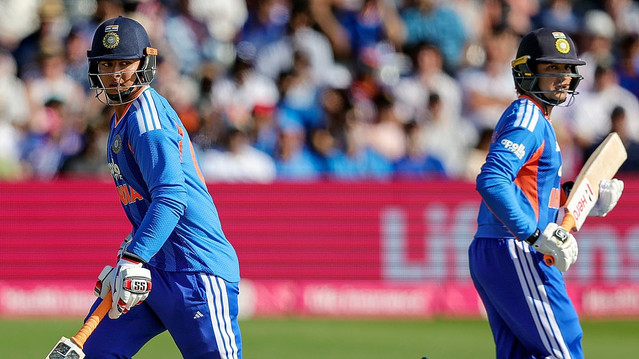
International cricket between India and New Zealand has always attracted considerable attention because both teams bring different strengths, playing styles and competitive approaches to the field. India is widely recognised for its powerful batting lineup, talented spin bowlers and depth across formats, while New Zealand has built a reputation for disciplined bowling, intelligent captaincy and impressive performances under pressure. Their encounters regularly produce exciting contests that keep cricket supporters interested from the first delivery to the final over.
The 2026 India tour of New Zealand is another important chapter in this cricketing rivalry. The tour includes five T20 International matches, five One Day Internationals and two Test matches, offering supporters an opportunity to watch both teams compete across different formats. The opening three T20Is have already produced three victories for India, putting the visitors in a commanding position in the series. With the fourth T20I scheduled for October 30 at Eden Park, Auckland, attention is turning towards New Zealand’s response and India’s efforts to maintain its winning momentum.
The latest New Zealand vs India contest is particularly interesting because the teams are also preparing for upcoming international challenges. The T20I matches provide opportunities to assess attacking batting combinations and bowling strategies, while the ODI and Test fixtures will offer a different examination of consistency, technique and team balance.
New Zealand vs India 2026 Series: Current Situation
The ongoing tour began on October 22, 2026, at Hagley Oval in Christchurch. India made an excellent start by winning the opening T20I by four wickets. New Zealand scored 225 runs for four wickets in 20 overs, but India successfully chased the target by reaching 230 for six in 19.4 overs. Sanju Samson played an important role with an impressive 67 runs from 33 deliveries, helping India secure a memorable opening victory.
The second T20I took place on October 24 at the same venue. New Zealand posted 180 runs for five wickets, but India’s batting lineup once again handled the challenge effectively. The visitors reached 181 for six in 19.5 overs, winning by four wickets. The result demonstrated India’s ability to manage competitive run chases without losing control during the closing stages.
The third match was played in Wellington on October 27. New Zealand scored 198 for three, creating another challenging target. However, India produced an outstanding batting performance and reached 199 for four in only 13.2 overs. The six-wicket victory gave India a 3–0 lead and confirmed its T20I series win with two matches still to play.
As of October 30, the fourth T20I is scheduled at Eden Park in Auckland. New Zealand will be looking to respond strongly, while India will aim to continue its impressive performance.
Fourth T20I: India and New Zealand Face Another Challenge
The fourth T20I on October 30 is taking place at Eden Park, Auckland, one of New Zealand’s recognised international cricket venues. India won the toss and elected to bowl first, giving its bowling attack an opportunity to challenge the New Zealand batting lineup early in the innings. The decision reflects India’s confidence in chasing targets, particularly after successfully pursuing totals in each of the first three matches.
New Zealand entered the match looking to improve its batting performance and establish a stronger position during the powerplay. Finn Allen, Tim Seifert, Daryl Mitchell and Glenn Phillips are important players in the team’s batting plans. Their ability to score quickly could make a significant difference, especially at a ground where shorter boundaries can reward attacking shots. For India, the bowling combination has an opportunity to test different plans with pace, swing and spin.
The fourth encounter is also an opportunity for both teams to evaluate their combinations before the remaining international fixtures. Even though India has already secured the T20I series, individual performances and consistency remain important. New Zealand will want to finish the series positively rather than allow the visitors to dominate every match.
New Zealand vs India 2026: Complete Series Schedule
The 2026 tour is not limited to T20 cricket. It includes three international formats, making it a comprehensive contest between the two teams. After the five-match T20I series, the teams will compete in five ODIs and two Test matches.
The schedule provides different challenges for players. T20 cricket demands quick decisions and aggressive execution, whereas ODIs require a balance between attacking and controlled batting. Test cricket places greater emphasis on concentration, technical ability and the capacity to perform consistently over several days.
The following table summarises the major fixtures of the tour.
| Match | Date | Venue |
|---|---|---|
| 1st T20I | October 22 | Christchurch |
| 2nd T20I | October 24 | Christchurch |
| 3rd T20I | October 27 | Wellington |
| 4th T20I | October 30 | Auckland |
| 5th T20I | November 1 | Hamilton |
| 1st ODI | November 4 | Auckland |
| 2nd ODI | November 7 | Wellington |
| 3rd ODI | November 10 | Hamilton |
| 4th ODI | November 13 | Mount Maunganui |
| 5th ODI | November 15 | Mount Maunganui |
| 1st Test | November 19–23 | Wellington |
| 2nd Test | November 27–December 1 | Christchurch |
The five T20Is are scheduled across four cities, followed by the ODI and Test assignments. This arrangement gives players opportunities to adapt to different grounds and conditions throughout the tour. The upcoming fixtures are particularly important because the teams will have to adjust their combinations and strategies as the format changes.
India’s Performance in the T20I Series
India’s performances in the first three T20Is have highlighted the strength of its batting department. The team has successfully chased three challenging totals, demonstrating that its players can handle pressure and maintain an attacking approach. Instead of relying on one individual, India has received contributions from different players, which is an encouraging sign for the team management.
The opening match demonstrated India’s ability to compete in a high-scoring contest. Sanju Samson’s 67 from 33 balls provided an important foundation during the chase. In the second match, India maintained its composure while pursuing 181 runs. The third T20I was particularly impressive because the visitors reached their target in only 13.2 overs. Abhishek Sharma and Vaibhav Sooryavanshi were instrumental in the quick chase, showing how attacking opening partnerships can change the direction of a match.
Another positive aspect has been the team’s flexibility. Batters have shown the ability to increase the scoring rate when required, while the middle order has helped maintain momentum. The bowling department has also contributed by taking important wickets and creating opportunities to restrict New Zealand.
However, the team cannot afford to become overconfident. New Zealand has experienced international players who can make a strong comeback. Maintaining discipline in the remaining T20Is and preparing carefully for the ODI series will be important objectives for India.
New Zealand’s Strategy for a Comeback
New Zealand has faced difficulties in the opening three matches, particularly when attempting to defend competitive totals. Although its batting lineup has produced promising scores, India’s successful run chases have prevented those efforts from translating into victories. The home side now needs to examine its bowling plans and identify areas where improvements are necessary.
The presence of experienced players gives New Zealand several options. Mitchell Santner provides leadership and spin-bowling experience, while Glenn Phillips and Daryl Mitchell offer valuable batting ability. Finn Allen can provide explosive starts, and the team’s other attacking batters can help accelerate the scoring rate during the middle and final overs.
New Zealand’s bowling attack must also become more effective at controlling the scoring rate. Early wickets could put pressure on India’s middle order and prevent the visitors from establishing another comfortable chase. Better execution during the powerplay and death overs will be especially important.
A home advantage can also play a role. Familiarity with local grounds, weather patterns and pitch behaviour may help New Zealand make better decisions. The team will need to combine that knowledge with disciplined execution to challenge India’s strong form.
Important Players to Watch During the Tour
Both teams have several talented cricketers who could influence the results of the remaining matches. Their individual contributions will be important as the competition moves towards the ODI and Test formats.
Indian Players
Abhishek Sharma is an important attacking option at the top of India’s batting order. His ability to score quickly during the powerplay can provide the team with an excellent beginning. Sanju Samson has also demonstrated his ability to play aggressive innings while maintaining control against different bowling styles.
Shreyas Iyer’s leadership and batting experience are valuable for the Indian side. He can help organise the batting lineup and guide the team through challenging situations. Axar Patel adds balance through his left-arm spin and useful batting contributions, while Arshdeep Singh and Mayank Yadav offer different pace-bowling options.
New Zealand Players
Glenn Phillips is one of New Zealand’s most dangerous attacking batters. His ability to play innovative shots and accelerate the scoring rate makes him an important player in limited-overs cricket. Daryl Mitchell provides stability and experience, especially when the team loses early wickets.
Mitchell Santner is another significant figure because of his leadership and all-round abilities. Finn Allen can change the match with an aggressive start, while Tim Seifert provides wicketkeeping support and attacking batting options. These players will be central to New Zealand’s efforts to improve its results.
Head-to-Head Record and Cricketing Rivalry
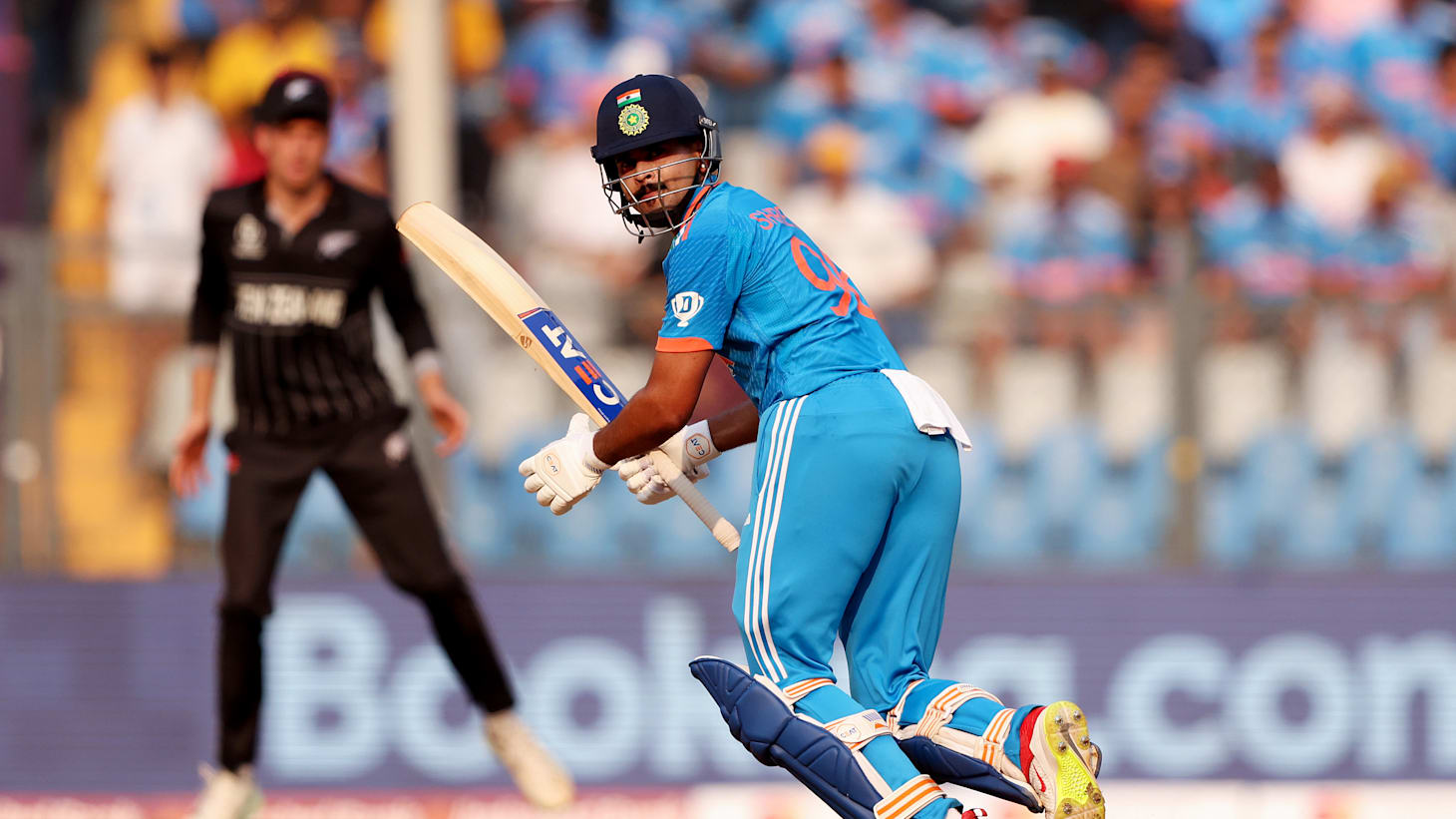
India and New Zealand have developed a competitive international rivalry over several decades. Their matches have featured memorable batting performances, impressive bowling spells and close finishes across all three formats. India has traditionally enjoyed considerable success in limited-overs cricket, while New Zealand has demonstrated that it can compete effectively against stronger opponents through disciplined teamwork.
In T20 Internationals, the matches are often decided by small differences, including powerplay performances, bowling changes and the ability to finish innings strongly. The teams also approach ODI cricket differently. India generally has considerable batting depth, whereas New Zealand often focuses on maintaining a balanced lineup and using its bowling resources strategically.
Test cricket provides another dimension to this rivalry. New Zealand’s home conditions can offer movement for fast bowlers, while India’s batting and spin-bowling resources can become important when the pitch begins to deteriorate. This contrast makes their longer-format encounters particularly interesting.
The 2026 series adds another opportunity for both teams to strengthen their records and create new memorable performances.
Why the 2026 Tour Is Important for Both Teams
The ongoing New Zealand vs India tour has importance beyond the immediate T20I results. International teams regularly use multi-format tours to evaluate their strengths, identify weaknesses and prepare players for upcoming tournaments. The different formats also allow coaching staff to assess which combinations work most effectively under particular conditions.
For India, the tour offers opportunities to develop younger players and test the depth of its international squad. Strong performances from emerging batters and bowlers can give the management additional selection options. The ODI matches will be particularly useful for assessing batting combinations and bowling resources ahead of future major competitions.
New Zealand also has important objectives. Playing against a strong Indian side provides valuable experience and exposes areas that need improvement. The home team can use the remaining matches to assess its middle-order batting, improve its bowling execution and build confidence before the Test series.
There are several important factors that could influence the remainder of the tour:
-
Batting partnerships: Strong partnerships can help teams build competitive totals and control run chases.
-
Bowling discipline: Accurate line and length can prevent opposition batters from scoring freely.
-
Fielding standards: Good catching and ground fielding can change the outcome of closely contested matches.
-
Adaptability: Players must adjust their techniques according to pitch conditions and match situations.
These elements will remain important as the teams move from the fast-paced T20 format to the longer ODI and Test contests.
Pitch Conditions and Weather: What to Expect
New Zealand’s cricket grounds offer different playing conditions, which can influence team selection and match strategies. Hagley Oval in Christchurch is known for conditions that can provide assistance to seam bowlers, particularly when there is moisture or movement in the atmosphere. Batters who spend time at the crease can also benefit from the ground’s playing surface.
Eden Park in Auckland presents a different challenge. Its compact dimensions can encourage aggressive batting, making it an interesting venue for T20 cricket. Players who find the gaps and time their shots effectively can score quickly. However, the bowlers must be equally strategic, using variations in pace and length to prevent batters from settling into an attacking rhythm.
Wellington and Hamilton also provide different conditions. Wind can influence bowling and fielding decisions in Wellington, while the characteristics of the pitch at Seddon Park can affect how teams approach their innings.
Weather is another factor that teams must consider throughout the tour. New Zealand’s weather can change, and rain interruptions may influence playing conditions. Captains and coaching staff must therefore remain flexible when deciding batting orders, bowling combinations and match tactics.
How Fans Can Follow the Series
Cricket supporters following New Zealand vs India can keep track of the tour through television coverage, official cricket updates, live scorecards and match commentary. These sources provide information about scores, wickets, player statistics, playing XIs and match results.
Fans should pay attention to more than just the final score. Individual batting averages, strike rates, bowling economy rates and partnership records can explain how a match developed. Watching highlights and post-match discussions can also help supporters understand important tactical decisions.
The following details are particularly useful when following an international cricket match:
-
Match date and starting time according to the local time zone.
-
Confirmed playing XI and toss result.
-
First-innings score and current run rate.
-
Wickets, partnerships and individual player performances.
-
Final result and player-of-the-match recognition.
Following these details makes it easier to understand the progress of the series and compare the performances of both teams.
What to Expect from the Upcoming ODI and Test Matches
After the T20I series concludes on November 1, attention will shift towards the five-match ODI series beginning on November 4. This format requires a different approach because teams have 50 overs to build an innings, recover after losing wickets and plan their bowling strategies.
India will look to maintain its positive momentum, but New Zealand will have an opportunity to approach the competition with renewed confidence. ODI cricket provides greater scope for tactical adjustments, making partnerships, middle-over bowling and finishing performances especially important.
The two Test matches scheduled for November will provide an even greater challenge. Unlike T20Is and ODIs, Test cricket requires players to maintain concentration over several sessions. Batters must demonstrate patience, bowlers need to create sustained pressure, and captains must make decisions based on changing pitch conditions.
The first Test is scheduled for November 19 in Wellington, followed by the second Test in Christchurch from November 27 to December 1. These matches will also contribute to the wider international Test calendar and the World Test Championship cycle.
For supporters, the multi-format tour provides an opportunity to enjoy different styles of cricket and evaluate how effectively each team adapts to changing challenges.
Conclusion
The 2026 international tour between India and New Zealand has already delivered exciting T20I cricket, with India winning the first three matches and securing the five-match series. The visitors have demonstrated impressive batting depth, effective run-chasing ability and confidence under pressure. New Zealand, meanwhile, has shown promising batting performances but needs to improve its bowling execution to compete more consistently.
The fourth T20I at Eden Park and the remaining match in Hamilton provide further opportunities for both teams to test their combinations. The subsequent ODI and Test series will bring new challenges, requiring different strategies, greater consistency and stronger performances across the playing XI.
Overall, New Zealand vs India remains an interesting international cricket contest because both teams have talented players, experienced leaders and different approaches to the game. With several matches still scheduled across the tour, supporters can look forward to more competitive cricket, individual achievements and memorable moments before the series concludes in December 2026.

