


Introduction
The India and New Zealand cricket rivalry continues to attract attention from cricket fans because both teams bring different strengths, playing styles and match strategies to the shortest international format. Their contests are often filled with aggressive batting, disciplined bowling, clever field placements and exciting finishes. The ongoing 2026 tour of New Zealand has added another interesting chapter to this rivalry, with both sides competing in a five-match T20 International series.
The IND vs NZ T20 series began on October 22, 2026, and has already delivered three victories for India. The Indian team established an early advantage through successful run chases, while New Zealand faced challenges in defending competitive totals. With the fourth match scheduled for October 30 at Eden Park, Auckland, and the final encounter planned for November 1 in Hamilton, supporters have plenty to follow. The series also provides an opportunity to evaluate individual performances, team combinations and preparations for future international competitions.
IND vs NZ T20 2026 Series: Complete Overview
The five-match series is an important contest for both teams because it offers opportunities to test combinations, improve consistency and prepare players for upcoming international challenges. India entered the tour with a strong batting lineup and several bowling options, while New Zealand relied on its home conditions, experienced all-rounders and aggressive top-order batters. The opening three matches demonstrated India’s ability to adapt to different match situations.
India won the first match by four wickets, chased another target successfully in the second encounter and produced an even more impressive performance in Wellington. These results allowed India to secure the series before the final two fixtures. New Zealand, meanwhile, needs to improve its bowling execution and find ways to control India’s attacking batting approach.
IND vs NZ T20 2026 Match Results So Far
The opening three matches produced entertaining cricket and highlighted India’s strength during run chases. New Zealand posted competitive totals in the first two games, but the Indian batting lineup managed to cross the finishing line on both occasions. The third encounter in Wellington was particularly impressive because India completed a challenging chase of 199 runs with considerable overs remaining.
The performances also demonstrated how quickly momentum can change in T20 cricket. New Zealand showed its ability to score rapidly, but India maintained better control during crucial phases. Abhishek Sharma’s outstanding century in the third match became one of the biggest highlights of the series, while Sanju Samson and Tilak Varma also made valuable contributions in earlier encounters.
Results of the First Three Matches
| Match | New Zealand Score | India Score | Result |
|---|---|---|---|
| 1st T20I | 225/4 | 230/6 | India won by 4 wickets |
| 2nd T20I | 180/5 | 181/6 | India won by 4 wickets |
| 3rd T20I | 198/3 | 199/4 | India won by 6 wickets |
These results explain why India has already secured the five-match series. The team has successfully chased targets in all three completed matches, demonstrating excellent batting depth and the ability to maintain scoring momentum under pressure.
Fourth T20I: India vs New Zealand in Auckland
The fourth encounter is scheduled for October 30, 2026, at Eden Park in Auckland. It is another important opportunity for New Zealand to demonstrate its fighting ability after losing the series. Although India has already secured the overall result, the players will want to maintain their winning rhythm and build confidence before the final match.
India won the toss and elected to bowl first, giving its bowling unit an opportunity to restrict New Zealand to a manageable total. The home team needs a strong batting performance to put pressure on the visitors. Eden Park is known for its distinctive boundaries and conditions that can create interesting opportunities for both batters and bowlers.
Fourth Match Details
| Match Information | Details |
|---|---|
| Match | 4th T20 International |
| Date | October 30, 2026 |
| Venue | Eden Park, Auckland |
| Teams | India and New Zealand |
| Toss Winner | India |
| Decision | India elected to bowl |
| Series Position | India leads 3-0 |
The match offers New Zealand a chance to improve its confidence before the final fixture. India, on the other hand, can experiment with combinations while continuing to focus on maintaining its competitive standards.
Fifth T20I: Final Match of the Series
The fifth and final match of the series is scheduled for November 1, 2026, at Seddon Park in Hamilton. This encounter will provide New Zealand with one final opportunity to register a victory on home soil, while India will aim to finish the tour’s T20I portion with another convincing performance. Even though the series winner has already been decided, the final game remains important for individual players and team management.
The last match can also influence decisions about future team combinations. Players who have not received many opportunities may get a chance to demonstrate their abilities, while established performers will look to maintain their form. For New Zealand, a positive result would help the team regain confidence after three consecutive defeats. India’s challenge will be to avoid complacency and continue playing disciplined cricket.
Key Players to Watch in the Series
Individual performances have played a major role in determining the direction of this series. Both teams have experienced international players who can change a match within a few overs. India’s batting lineup has been particularly effective, with aggressive opening options and reliable middle-order players providing flexibility. New Zealand also has powerful batters and experienced all-rounders who can create difficult situations for opposing bowlers.
Abhishek Sharma
Abhishek Sharma has been one of India’s most exciting performers in the series. His aggressive batting approach allows India to establish a strong foundation during the powerplay. His 113-run innings from just 38 deliveries in Wellington demonstrated his ability to dominate quality bowling attacks. Such performances are valuable in T20 cricket because they reduce pressure on the middle order and increase the team’s scoring potential.
Sanju Samson
Sanju Samson has also made an important contribution to India’s batting performances. His 67-run innings from 33 deliveries in the opening match helped India complete a successful chase. Samson’s ability to combine timing with powerful hitting makes him an important option at the top of the order. His wicketkeeping skills also provide additional value to the team’s overall combination.
Glenn Phillips
Glenn Phillips remains one of New Zealand’s most dangerous batting options. His ability to attack pace and spin makes him particularly valuable during the middle overs. Phillips can accelerate the scoring rate without needing an extended period to settle at the crease. His fielding abilities and occasional bowling contributions also make him an important all-round option for the home side.
Mitchell Santner
New Zealand captain Mitchell Santner brings experience, tactical awareness and left-arm spin to the team. His bowling can be useful when the opposition attempts to increase the scoring rate. Santner also offers batting depth and understands how to manage pressure during difficult match situations. His leadership will be important as New Zealand attempts to finish the series positively.
Team Performance: India and New Zealand Compared
The difference between the teams during the first three matches has largely come down to batting consistency and the execution of match plans. India has demonstrated greater confidence while chasing targets, particularly when its opening batters establish an aggressive scoring rate. The middle order has also provided support when early wickets have fallen, giving the team several ways to approach a difficult chase.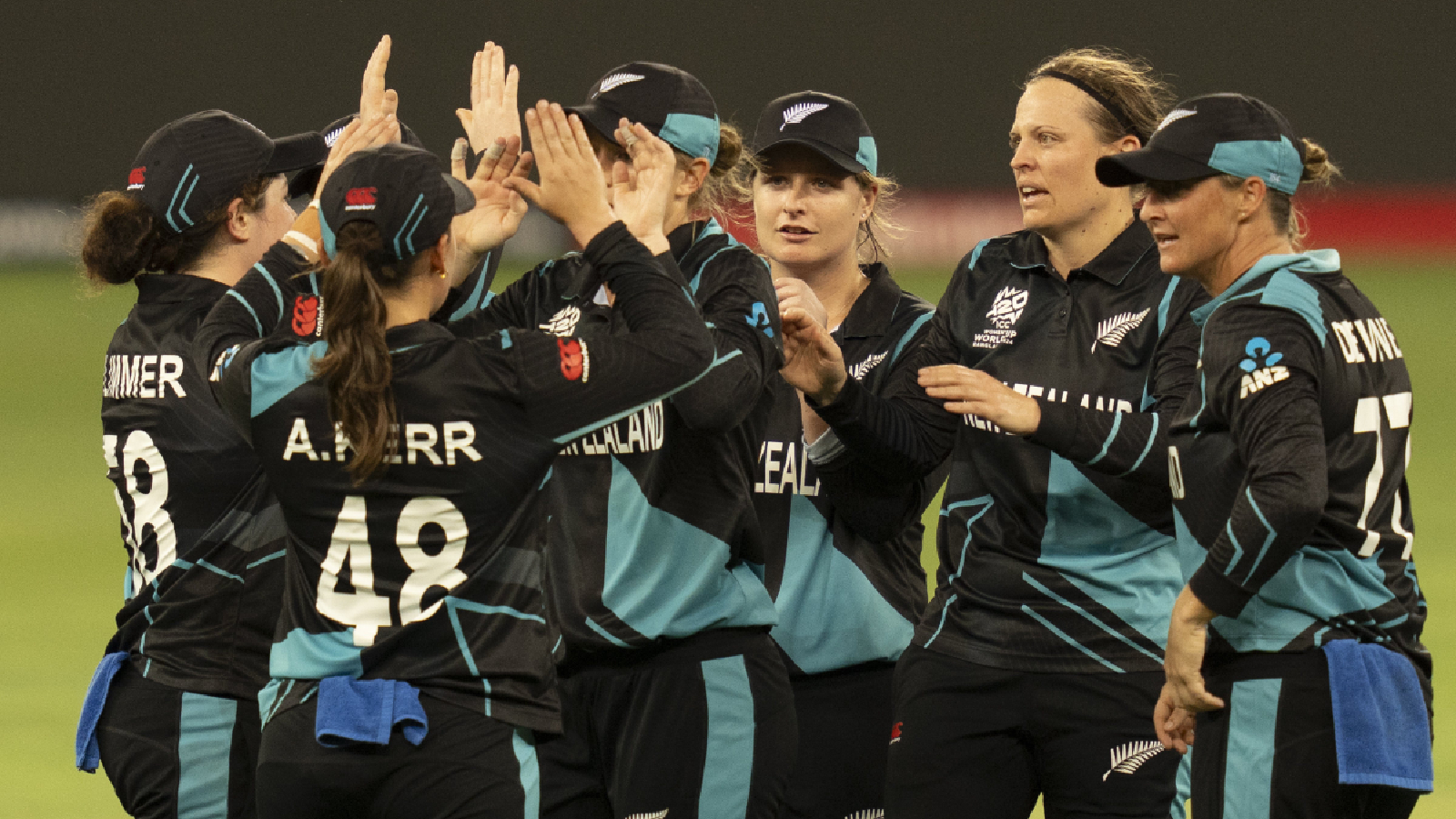
New Zealand has shown that it can produce competitive batting totals, but its bowling unit has struggled to defend them. The team needs to improve its line and length, especially against aggressive Indian batters who take advantage of loose deliveries. Better fielding and more effective use of bowling changes could help New Zealand become more competitive in the remaining matches.
Important Differences Between Both Teams
| Performance Area | India | New Zealand |
|---|---|---|
| Batting Approach | Aggressive and flexible | Attacking and adaptable |
| Opening Performance | Strong run chases | Competitive starts |
| Bowling Strength | Pace and spin variety | Experienced pace and spin |
| Recent Series Form | Three consecutive wins | Three consecutive defeats |
| Main Advantage | Batting depth | Home conditions |
The comparison suggests that India currently has greater momentum. However, New Zealand has enough experienced players to challenge the visitors, particularly when playing at familiar grounds.
Importance of Pitch and Ground Conditions
Pitch conditions can significantly influence the outcome of a T20 International match. Unlike longer formats, where players have more time to understand the surface, T20 batters must make quick decisions about shot selection and scoring opportunities. A good batting surface generally encourages attacking cricket, while a pitch offering movement or turn can make life difficult for players trying to maintain a high run rate.
New Zealand’s grounds can offer different challenges depending on weather conditions, surface preparation and boundary dimensions. Eden Park in Auckland is particularly interesting because its compact playing dimensions can reward powerful hitting. At the same time, bowlers must use variations, accurate lengths and clever field placements to prevent batters from scoring freely. Teams that adapt quickly to these conditions often gain an advantage.
How India’s Batting Strength Has Influenced the Series
One of the biggest reasons behind India’s success has been its ability to maintain an attacking approach throughout an innings. Modern T20 cricket rewards teams that can score quickly without losing control of the game. India’s top-order batters have demonstrated this balance by combining aggressive strokes with sensible shot selection.
The middle order has also played a significant role in maintaining momentum. Instead of depending entirely on one batter, India has several players capable of accelerating the scoring rate. This depth makes it difficult for opposing teams to control the innings through a single bowling strategy. The IND vs NZ T20 encounters have illustrated how important it is to have multiple reliable scoring options in a competitive international team.
New Zealand’s Strategy for a Strong Comeback
New Zealand needs to approach the remaining matches with a clear strategy. The team cannot depend entirely on aggressive batting because the Indian bowling attack has several options capable of taking wickets at important moments. A combination of responsible batting, calculated aggression and improved partnerships could help the hosts produce a stronger performance.
The bowling unit also needs to concentrate on consistency. Delivering too many loose balls against an attacking lineup can quickly change the direction of a match. New Zealand should focus on restricting boundaries during the powerplay, building pressure in the middle overs and executing accurate yorkers or slower deliveries at the death.
Some important areas for improvement include:
-
Building stronger partnerships during the opening overs.
-
Reducing unnecessary wickets during the middle phase.
-
Improving bowling accuracy in the final overs.
-
Using fielding opportunities to create additional pressure.
These adjustments could help the home team compete more effectively and finish the series on a positive note.
Upcoming International Schedule After the T20 Series
The India tour of New Zealand does not end with the five-match T20I series. Both teams are also scheduled to compete in five One Day Internationals and two Test matches. This makes the tour an important international assignment because players will have opportunities to perform across different formats and conditions.
The upcoming fixtures will require different approaches from both teams. While T20 cricket focuses on aggressive scoring and quick decision-making, ODI cricket demands better innings management and longer partnerships. Test cricket requires patience, technical ability and consistent bowling over extended periods.
The remaining tour schedule is as follows:
| Date | Match | Venue |
|---|---|---|
| November 1, 2026 | 5th T20I | Hamilton |
| November 4, 2026 | 1st ODI | Auckland |
| November 7, 2026 | 2nd ODI | Wellington |
| November 10, 2026 | 3rd ODI | Hamilton |
| November 13, 2026 | 4th ODI | Tauranga |
| November 15, 2026 | 5th ODI | Tauranga |
| November 19–23, 2026 | 1st Test | Wellington |
| November 27–December 1, 2026 | 2nd Test | Christchurch |
This schedule gives both teams an opportunity to assess their strengths across formats. It also makes the tour particularly interesting for supporters following the performances of their favourite players.
Why This Series Matters for Cricket Fans
International T20 matches provide entertainment while helping teams evaluate their playing combinations. Every match offers information about batting positions, bowling options, fielding standards and the ability to handle pressure. For India, the series has provided encouraging signs about its batting depth and ability to chase challenging targets.
For New Zealand, the results highlight areas that need attention before future international assignments. Playing against a strong Indian lineup can help the home team understand where improvements are necessary. The IND vs NZ T20 rivalry also attracts interest because both countries have a history of producing competitive international cricket and talented players.
Fans following the series can learn more than just the final scores. Individual strike rates, partnerships, bowling economy rates and performances during the powerplay often explain why one team gains an advantage. These details make every encounter more interesting and provide a better understanding of the strategies involved in modern T20 cricket.
Conclusion
The ongoing India and New Zealand T20I series has provided exciting cricket, impressive individual performances and three consecutive victories for the Indian team. From Sanju Samson’s contribution in the opening match to Abhishek Sharma’s remarkable century in Wellington, India’s batting lineup has demonstrated excellent form. The team’s successful run chases have also highlighted the importance of batting depth and maintaining pressure on the opposition.
New Zealand still has opportunities to finish the series positively, particularly in the remaining matches at Auckland and Hamilton. Its experienced players will need to deliver stronger performances with both bat and ball to challenge India effectively. The IND vs NZ T20 series is also an important part of a longer international tour that includes ODI and Test cricket. Overall, the contest offers valuable insights into both teams’ strengths, strategies and preparations for future international challenges. Cricket supporters can look forward to more competitive performances as the tour continues.

