

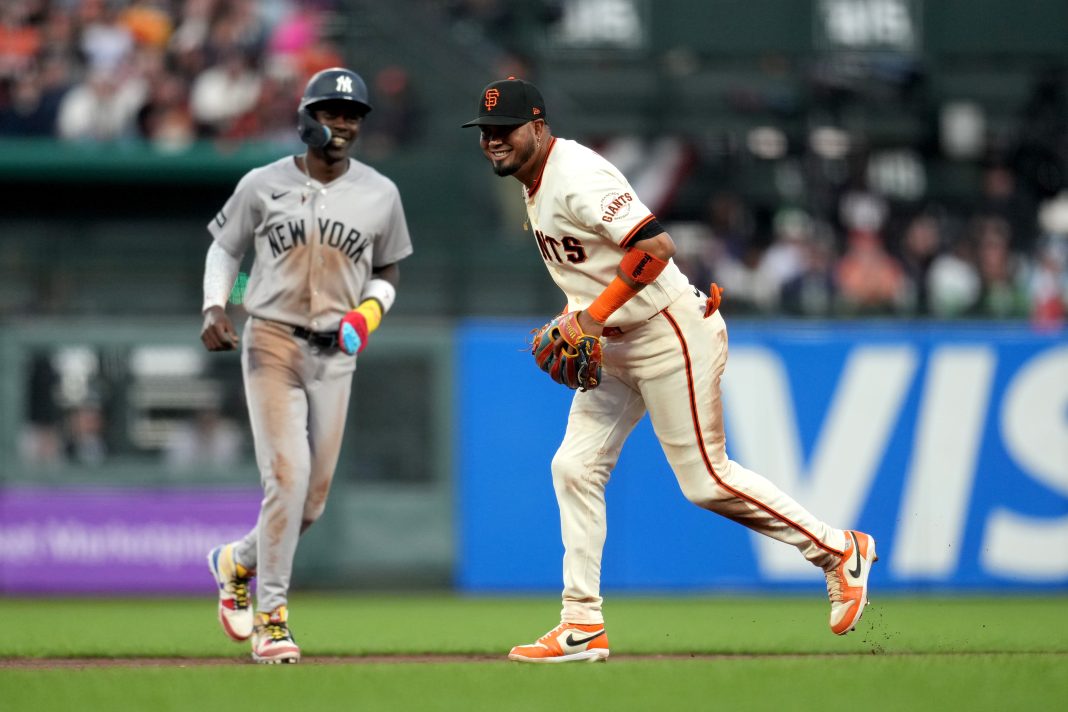
Baseball has a rich history of iconic teams, legendary athletes, and unforgettable moments, and few franchises have contributed more to the sport than the New York Yankees and the San Francisco Giants. Both teams have established themselves as major forces in Major League Baseball (MLB), attracting generations of loyal supporters. Although they compete in different leagues, their meetings offer an opportunity to compare distinct baseball traditions, playing styles, and approaches to winning. The Yankees are widely associated with championship success, powerful batting lineups, and the bright lights of New York, while the Giants are known for their historic roots, memorable postseason performances, and passionate San Francisco fan base.
The yankees vs giants matchup is particularly interesting because it connects two historic franchises with different identities but a shared commitment to competitive baseball. Their meetings may not happen as frequently as divisional rivalries, yet interleague games can create exciting contests that appeal to fans across the country. From starting-pitcher performances to home-run power and late-inning decisions, every game provides several factors worth examining. Understanding the history, team strengths, important players, and tactical elements behind this matchup helps fans appreciate more than just the final score.
History of the Yankees and Giants
The New York Yankees are among the most recognizable franchises in professional sports. Their history includes numerous World Series championships, legendary players, and periods of sustained dominance. Established in the early twentieth century, the Yankees became a symbol of baseball excellence through generations of outstanding performances. Players such as Babe Ruth, Lou Gehrig, Joe DiMaggio, Mickey Mantle, Derek Jeter, and Mariano Rivera helped shape the club’s identity. Their achievements contributed to the team’s reputation for performing under pressure and competing for championships.
The San Francisco Giants also possess a remarkable baseball heritage. The franchise began as the New York Gothams before becoming known as the New York Giants, later moving to San Francisco in 1958. During its history, the organization produced celebrated players such as Willie Mays, Willie McCovey, Barry Bonds, and Buster Posey. The Giants have experienced multiple successful eras, including championship-winning seasons in San Francisco during the 2010s. Their ability to combine experienced leadership, effective pitching, and timely hitting has helped them remain an important part of baseball history.
When examining yankees vs giants, the historical connection between the franchises adds another layer of interest. Both organizations originally played in New York, although their histories developed along different paths. The Giants’ relocation to California created a lasting connection between East Coast and West Coast baseball. Today, a meeting between these teams brings together two established traditions and gives supporters a chance to compare their achievements across different generations.
Yankees vs Giants: World Series History
One of the most important chapters in this matchup is the World Series rivalry between the two franchises. Before the Giants moved to San Francisco, both clubs represented New York, creating a natural competitive connection. They met in the World Series in 1921, 1922, 1923, 1936, 1937, 1951, and 1962. Across these seven postseason series, the Yankees won five, while the Giants won two. The 1923 World Series was especially significant because it delivered the Yankees their first championship in franchise history.
The 1962 World Series provided another memorable chapter. By that time, the Giants had established themselves on the West Coast, while the Yankees remained a dominant baseball institution in New York. Their championship meeting demonstrated how two historic organizations could maintain a compelling rivalry even after geographical separation. Although regular-season games now provide most opportunities for the teams to meet, their shared postseason history continues to give the matchup special meaning for long-time baseball fans.

Team Strengths and Playing Styles
The Yankees have traditionally been associated with powerful offense, disciplined batting, and a strong emphasis on winning important games. A successful Yankees lineup can pressure opposing pitchers through home runs, extra-base hits, and patient at-bats. When hitters consistently reach base, the team can create scoring opportunities in several different ways. Power remains an important part of the club’s identity, but effective defense, reliable starting pitching, and a dependable bullpen are also necessary for sustained success.
The Giants have built successful teams through a combination of pitching quality, defensive execution, timely hitting, and roster depth. Their championship teams demonstrated that winning baseball does not always depend on having the most powerful lineup. Strong starting performances and well-managed bullpen innings can limit opponents’ scoring opportunities, allowing the offense to capitalize on mistakes. The Giants’ historic success also illustrates the importance of teamwork and delivering productive performances during high-pressure situations.
In a yankees vs giants game, these different strengths create several possible tactical battles. The Yankees may look to generate damage with runners on base, while the Giants can focus on controlling the strike zone, preventing extra bases, and taking advantage of scoring opportunities. The actual balance depends on the available players, starting pitchers, current form, and ballpark conditions.
Key Players and Baseball Legends
Both organizations have featured some of the greatest players in baseball history. Their former stars helped establish the franchises’ identities and remain central to discussions about their historical achievements.
For the Yankees, Babe Ruth transformed expectations for power hitting, while Lou Gehrig became famous for his consistency and production. Joe DiMaggio and Mickey Mantle later became defining figures of their respective eras. In more recent generations, Derek Jeter represented leadership and clutch hitting, while Aaron Judge has become a prominent figure associated with the team’s modern offensive power. These players demonstrate the franchise’s long-standing connection with outstanding individual performances.
The Giants have an equally impressive collection of baseball legends. Willie Mays is remembered for his exceptional all-around ability, including power, speed, and outstanding defense. Willie McCovey became known for his powerful left-handed hitting, while Barry Bonds established himself as one of the most productive home-run hitters in MLB history. More recently, Buster Posey played a major role in the Giants’ successful championship era, providing leadership and quality offensive production from behind the plate.
When comparing the two clubs, it is important to separate historical legends from the players participating in a particular game. A preview of an upcoming matchup should focus on the confirmed roster, recent performances, injury updates, and expected starting pitchers rather than assuming that past stars will influence a current contest.
Important Factors That Can Decide the Game
Several elements can determine the outcome when these teams meet. Although home runs often attract the most attention, baseball games are decided through a combination of pitching, hitting, defense, and decision-making.
The following factors deserve particular attention:
-
Starting pitching: The opening innings can establish the game’s rhythm. A starter who limits walks and controls the strike zone can prevent early scoring.
-
Power hitting: Extra-base hits and home runs can quickly change the scoreboard, especially when runners are already on base.
-
Bullpen reliability: Relief pitchers must protect leads and handle high-pressure situations late in the game.
-
Defensive execution: Accurate throws, clean fielding, and well-positioned defenders can prevent opponents from extending rallies.
-
Base running: Smart advancement and effective situational awareness can turn singles and walks into valuable scoring opportunities.
-
Situational hitting: Productive at-bats with runners in scoring position can make the difference in a closely contested game.
These factors help explain why a team with fewer hits can sometimes win. Baseball rewards the timing and quality of offensive production, not simply the total number of hits collected.
Yankees vs Giants: Statistical Comparison
The following table summarizes important historical and tactical differences between the franchises. Championship figures are historical totals, not predictions of future results.
|
Comparison |
New York Yankees |
San Francisco Giants |
|---|---|---|
|
Current city |
New York, New York |
San Francisco, California |
|
League |
American League |
National League |
|
Division |
AL East |
NL West |
|
World Series titles |
27 |
8 |
|
Famous historical player |
Babe Ruth |
Willie Mays |
|
Traditional strength |
Power hitting and championship tradition |
Pitching, defense, and balanced team play |
|
Home ballpark |
Yankee Stadium |
Oracle Park |
|
Important matchup factor |
Offensive production |
Pitching and defensive execution |
Historical championship totals and team identities are based on franchise history information. Playing-style descriptions are general observations, not guarantees about current rosters.
The Yankees’ larger championship total reflects their extraordinary historical success. However, championship history does not automatically determine the result of an individual game. Current pitching form, player availability, recent results, and the conditions at the venue are more useful when assessing a specific contest.
Ballparks and Home-Field Advantage
Yankee Stadium and Oracle Park offer different environments for players and spectators. Yankee Stadium is located in the Bronx and is known for its distinctive appearance and passionate home crowd. Its dimensions and ballpark characteristics can influence how hitters approach particular pitches, especially when attempting to drive the ball toward the outfield.
Oracle Park, located along San Francisco’s waterfront, has its own distinctive playing conditions. Its setting, outfield configuration, and occasional coastal weather can affect how a game develops. Hitters and pitchers must adapt to the conditions rather than rely entirely on general season-long statistics.
Home-field advantage can influence player comfort, crowd energy, and familiarity with the playing surface. Nevertheless, visiting teams can succeed by preparing carefully, executing their plans, and adjusting to the environment. In this matchup, the ballpark is one useful consideration, but it should never be treated as the sole reason to predict a winner.
How to Analyse a Yankees vs Giants Match
Fans looking for a more detailed preview should compare recent statistics and confirmed team information before the first pitch. Historical records provide useful context, but recent performance offers a better picture of how a team is playing at the moment.
A practical analysis can include these steps:
-
Review the starting pitchers: Compare earned run averages, strikeout rates, walks, and recent innings pitched.
-
Evaluate the batting order: Check recent hitting performance, home-run production, and the availability of important hitters.
-
Examine bullpen usage: Relief pitchers who have worked heavily in previous games may be less available.
-
Consider home-field conditions: Evaluate the venue, weather, and any relevant ballpark tendencies.
-
Check recent team results: Look at the quality of opposition and performance over several games rather than relying on one result.
-
Review defensive reliability: Errors and missed opportunities can have a significant impact on close contests.
This approach helps fans develop a more balanced understanding of the matchup. It also avoids the common mistake of choosing a winner solely because one franchise has more championships or a more recognizable historical reputation.
Why Baseball Fans Follow This Matchup
The appeal of this contest extends beyond its immediate competitive implications. The Yankees and Giants represent different chapters of American baseball history, and their meetings connect those traditions. Their shared New York origins provide an unusual historical link, while their modern identities reflect the evolution of MLB into a league with a national audience.
For long-time supporters, these games can bring back memories of classic World Series encounters and legendary players. Newer fans can use the matchup as an opportunity to learn about the franchises, compare their playing philosophies, and understand how baseball history shapes the sport today.
The yankees vs giants contest can also appeal to neutral viewers because it brings together two established organizations from opposite coasts. Whether a game becomes a high-scoring slugfest or a low-scoring pitching duel, the contrast between the teams creates plenty of opportunities for tactical analysis and memorable moments.
Conclusion
The New York Yankees and San Francisco Giants occupy important places in Major League Baseball history. Their shared New York origins, seven World Series meetings, and generations of celebrated players make this matchup more meaningful than an ordinary interleague game. The Yankees have a substantial advantage in historical World Series championships, while the Giants have built their own legacy through legendary talent and successful championship eras.
Ultimately, the result of any individual game depends on the players taking the field, the starting-pitching matchup, offensive execution, bullpen performance, and defensive decisions. Historical achievements offer context, but current statistics and team conditions provide a stronger foundation for match analysis. For baseball fans, the yankees vs giants matchup remains an opportunity to appreciate two historic franchises and the enduring appeal of America’s pastime.

