


Introduction
The rivalry between Royal Challengers Bengaluru (RCB) and Chennai Super Kings (CSK) is one of the most exciting attractions in the Indian Premier League (IPL). Whenever these two popular franchises meet, cricket fans expect competitive batting, impressive bowling, outstanding individual performances and plenty of entertainment. Both teams have developed strong identities over the years, making their encounters particularly interesting for supporters of the tournament.
The 2026 IPL meeting between these sides on April 5 at the M. Chinnaswamy Stadium in Bengaluru delivered an entertaining contest. Royal Challengers Bengaluru produced an outstanding batting performance, scoring 250 runs for three wickets in their allotted 20 overs. Chennai Super Kings attempted to chase the challenging target but were bowled out for 207 in 19.4 overs. RCB eventually secured an impressive 43-run victory, making the match an important result in their campaign.
The Royal Challengers Bengaluru vs Chennai Super Kings match scorecard provides an interesting picture of how the contest developed. From explosive contributions by Tim David and Rajat Patidar to determined batting from Sarfaraz Khan and Prashant Veer, the match featured several memorable performances. Understanding the scorecard helps readers examine the contributions of individual players and the strategies that influenced the final result.
Match Overview: RCB vs CSK IPL 2026
The encounter took place at the M. Chinnaswamy Stadium, a venue widely recognised for its batting-friendly conditions and enthusiastic atmosphere. Chennai Super Kings won the toss and decided to field first, giving RCB the opportunity to establish a competitive total. However, Bengaluru’s batting lineup made excellent use of the conditions and maintained an aggressive scoring rate throughout the innings.
RCB finished with 250/A3, creating considerable pressure on the visiting side. Chennai needed 251 runs to win, which required consistent boundary scoring and partnerships throughout the chase. Although CSK showed some attacking intent, early wickets affected their progress. Their innings eventually ended at 207 runs, allowing Bengaluru to register a convincing victory.
| Match Details | Information |
|---|---|
| Tournament | Indian Premier League 2026 |
| Teams | RCB vs CSK |
| Match Number | 11th Match |
| Date | 5 April 2026 |
| Venue | M. Chinnaswamy Stadium, Bengaluru |
| Toss Winner | Chennai Super Kings |
| Toss Decision | Field First |
| RCB Score | 250/3 (20 Overs) |
| CSK Score | 207 All Out (19.4 Overs) |
| Match Result | RCB won by 43 runs |
| Player of the Match | Tim David |
Royal Challengers Bengaluru First Innings Scorecard
Royal Challengers Bengaluru entered the match with an aggressive approach and successfully established momentum during their first innings. Their batters concentrated on maintaining a high scoring rate while avoiding unnecessary risks during the early overs. Philip Salt and Virat Kohli provided an attacking start, helping the team build a foundation for a substantial total.
Devdutt Padikkal strengthened the innings with an impressive half-century, while captain Rajat Patidar and Tim David produced a remarkable finish. Their contributions helped Bengaluru cross the 250-run mark, creating a challenging situation for Chennai’s batting lineup.
Top Batting Performances for RCB
Philip Salt scored 46 runs from 30 deliveries, including three boundaries and two sixes. His innings helped Bengaluru maintain a positive scoring rate during the opening phase. Virat Kohli contributed 28 runs from 18 balls, providing another useful contribution before getting dismissed.
Devdutt Padikkal continued the scoring momentum by making 50 runs from 29 deliveries. His innings included five fours and two sixes, demonstrating his ability to combine timing with attacking stroke play. Rajat Patidar remained unbeaten on 48 from just 19 balls, while Tim David delivered the most explosive performance of the innings with an unbeaten 70 from 25 deliveries.
David’s innings included three fours and eight sixes, making him the standout performer. His exceptional strike rate put enormous pressure on the CSK bowlers during the final overs.
RCB Batting Scorecard
| Batter | Runs | Balls | Fours | Sixes |
|---|---|---|---|---|
| Philip Salt | 46 | 30 | 3 | 2 |
| Virat Kohli | 28 | 18 | 2 | 1 |
| Devdutt Padikkal | 50 | 29 | 5 | 2 |
| Rajat Patidar | 48* | 19 | 1 | 6 |
| Tim David | 70* | 25 | 3 | 8 |
| Extras | 8 | — | — | — |
| Total | 250/3 | 20 Overs |
*Not out. Scorecard figures: Cricbuzz and Financial Express.
Chennai Super Kings Bowling Performance
Chennai Super Kings faced a difficult challenge against Bengaluru’s aggressive batting lineup. Their bowlers struggled to control the scoring rate, particularly during the final stages of the innings. Although CSK managed to take three wickets, they could not prevent RCB from building a massive total. The inability to restrict boundaries and maintain pressure during crucial overs became a major concern for the visitors.
Khaleel Ahmed delivered four overs and conceded 37 runs without taking a wicket. Matt Henry gave away 36 runs in three overs, also without claiming a dismissal. Anshul Kamboj picked up one wicket but conceded 52 runs in his four-over spell. Noor Ahmad struggled to contain the Bengaluru batters, conceding 49 runs in four overs. Jamie Overton and Shivam Dube also claimed one wicket each, but their combined efforts were insufficient to slow down the scoring.
The Royal Challengers Bengaluru vs Chennai Super Kings match scorecard highlights how difficult the bowling conditions became for Chennai. The home side’s batters repeatedly found opportunities to score boundaries, especially during the middle and death overs. RCB’s ability to accelerate without losing too many wickets was a major reason behind their successful first innings.
Chennai Super Kings Second Innings Scorecard
Chennai Super Kings began their chase with an enormous target of 251 runs. The required scoring rate demanded aggressive cricket from the beginning, but the opening phase quickly became challenging. Jacob Duffy removed Ruturaj Gaikwad and Sanju Samson, while Bhuvneshwar Kumar dismissed Ayush Mhatre. Losing important wickets early meant Chennai had to rebuild their innings while continuing to chase a demanding total.
Sarfaraz Khan provided the most notable contribution at the top of the batting order. He scored 50 runs from 25 balls, including eight fours and two sixes. His attacking approach temporarily gave CSK some hope of staying in the contest. However, the middle order could not consistently support his effort, and wickets continued to fall at important moments.
Prashant Veer scored 43 runs from 29 deliveries, while Jamie Overton contributed 37 from only 16 balls. Their partnership offered Chennai a brief opportunity to recover after losing several wickets. Nevertheless, the required run rate remained high, and the lower order could not complete the chase. CSK were eventually dismissed for 207 in 19.4 overs.
CSK Batting Scorecard
| Batter | Runs | Balls | Fours | Sixes |
|---|---|---|---|---|
| Sanju Samson | 9 | 5 | 0 | 1 |
| Ruturaj Gaikwad | 7 | 3 | 0 | 1 |
| Ayush Mhatre | 1 | 3 | 0 | 0 |
| Sarfaraz Khan | 50 | 25 | 8 | 2 |
| Kartik Sharma | 6 | 3 | 0 | 1 |
| Shivam Dube | 18 | 13 | 2 | 1 |
| Prashant Veer | 43 | 29 | 6 | 1 |
| Jamie Overton | 37 | 16 | 4 | 2 |
| Anshul Kamboj | 19* | 12 | 1 | 1 |
| Noor Ahmad | 8 | 8 | 0 | 1 |
| Matt Henry | 2 | 3 | 0 | 0 |
| Total | 207 All Out | 19.4 Overs |
*Anshul Kamboj remained not out. Figures reflect the reported innings scorecard.
Royal Challengers Bengaluru Bowling Performance
Bengaluru’s bowlers played an equally important role in securing the victory. Defending a large total, they understood that taking early wickets would make the chase significantly more difficult. Jacob Duffy delivered an effective opening spell, removing Ruturaj Gaikwad and Sanju Samson. His breakthroughs immediately put Chennai under pressure and prevented the visitors from establishing a comfortable start.
Bhuvneshwar Kumar was another important performer, finishing with three wickets for 41 runs in four overs. His ability to dismiss key batters helped Bengaluru maintain control during the middle stages. Krunal Pandya also produced an effective performance, taking two wickets while conceding 36 runs in three overs. Abhinandan Singh claimed two wickets, while Suyash Sharma picked up one dismissal.
The bowlers benefited from the pressure created by RCB’s large first-innings total. Chennai needed to maintain a very high scoring rate, which encouraged attacking shots and increased the possibility of losing wickets. Bengaluru capitalised on these circumstances and continued taking important breakthroughs until the opposition was bowled out.
RCB Bowling Figures
| Bowler | Overs | Runs | Wickets |
|---|---|---|---|
| Jacob Duffy | 4 | 58 | 2 |
| Bhuvneshwar Kumar | 4 | 41 | 3 |
| Abhinandan Singh | 3.4 | 30 | 2 |
| Krunal Pandya | 3 | 36 | 2 |
| Suyash Sharma | 4 | 21 | 1 |
| Romario Shepherd | 1 | 19 | 0 |
Key Moments That Changed the Match
Several important moments influenced the final result. Although RCB established a strong position through their batting performance, Chennai’s early wickets during the chase made the difference between a competitive pursuit and a difficult recovery attempt.
One of the biggest turning points was Tim David’s outstanding finishing performance. His unbeaten 70 runs from 25 balls helped Bengaluru reach 250, a total that required Chennai to maintain an exceptional scoring rate. David’s six-hitting ability was particularly important because he converted an already strong innings into a commanding total.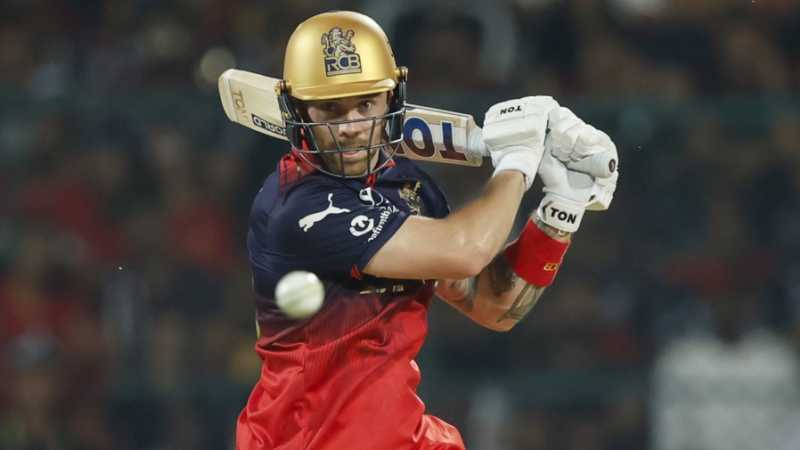
Another crucial moment came during the opening overs of CSK’s chase. Jacob Duffy removed Ruturaj Gaikwad and Sanju Samson, while Bhuvneshwar Kumar dismissed Ayush Mhatre. These early wickets prevented Chennai from building a stable opening partnership.
Sarfaraz Khan’s half-century and the contributions from Prashant Veer and Jamie Overton provided some resistance, but the required scoring rate continued to create pressure.
Some of the most important match highlights were:
-
Tim David’s unbeaten 70 off 25 deliveries.
-
Devdutt Padikkal’s valuable half-century.
-
Sarfaraz Khan’s attacking 50-run innings.
-
Bhuvneshwar Kumar’s three-wicket contribution.
These performances explain why Bengaluru maintained control over most of the contest.
Player of the Match: Tim David
Tim David received the Player of the Match award for his outstanding contribution with the bat. His unbeaten 70-run innings from just 25 deliveries was arguably the most influential individual performance of the game. David demonstrated exceptional power-hitting ability and made it extremely difficult for Chennai’s bowlers to control the final overs.
His partnership with Rajat Patidar was particularly valuable. Patidar contributed an unbeaten 48 from 19 deliveries, allowing Bengaluru to maintain its attacking approach without losing another wicket. Together, they added 99 runs for the fourth wicket, with David contributing the majority of the runs. Their partnership transformed a strong position into a commanding first-innings total.
David’s performance also demonstrated the importance of finishing skills in modern T20 cricket. A batter who can score quickly during the final overs can significantly change the direction of a match. His innings provided Bengaluru with the momentum needed to defend their total successfully.
Tactical Analysis: Why RCB Defeated CSK
The Royal Challengers Bengaluru vs Chennai Super Kings match scorecard reveals that the difference between the two sides was not simply the number of runs scored. Bengaluru executed its batting strategy more effectively and used its bowling resources to take wickets at crucial stages. Their approach combined attacking batting with disciplined bowling, creating pressure throughout the contest.
RCB’s decision to accelerate during the middle and final overs proved particularly effective. Instead of depending on one batter, multiple players contributed meaningful runs. Padikkal’s half-century established momentum, while Patidar and David took advantage of the final overs to increase the scoring rate. This balanced contribution prevented Chennai from focusing on dismissing just one key batter.
Chennai, on the other hand, struggled to control the scoring rate during the first innings. Their bowling attack conceded too many runs, leaving their batters with a challenging target. During the chase, early wickets further complicated their plans. Although the middle and lower order attempted to recover, the initial setbacks proved too costly.
Another important difference was Bengaluru’s ability to use its bowling variations effectively. The wickets taken by Duffy, Bhuvneshwar and Krunal disrupted Chennai’s partnerships and prevented the visitors from building sustained momentum.
Head-to-Head Rivalry Between RCB and CSK
The rivalry between Royal Challengers Bengaluru and Chennai Super Kings has remained one of the most followed matchups in IPL history. Both franchises have large fan bases, experienced players and a history of memorable encounters. Their matches attract attention because they often feature talented international cricketers alongside some of India’s most recognised domestic players.
Chennai Super Kings have traditionally been recognised for their consistency, experienced leadership and ability to perform under pressure. Royal Challengers Bengaluru, meanwhile, have built a reputation for their entertaining batting style and passionate supporters. Over the years, their encounters have included close finishes, high-scoring matches and impressive individual performances.
The 2026 meeting added another memorable result to this rivalry. Bengaluru’s 43-run victory demonstrated its ability to compete strongly against an experienced Chennai side. For fans following the Royal Challengers Bengaluru vs Chennai Super Kings match scorecard, this encounter offered an excellent example of how strong batting partnerships and timely wickets can determine the outcome of a T20 match.
What This Result Means for Both Teams
A victory against a major opponent can provide an important confidence boost during an IPL campaign. For Royal Challengers Bengaluru, defeating Chennai by 43 runs demonstrated the strength of their batting lineup and the effectiveness of their bowling combination. A total of 250 runs also highlighted their ability to take advantage of favourable batting conditions.
The result was equally important from Chennai Super Kings’ perspective. Although their batters showed some resistance, the team needed better execution from its bowling attack. Restricting opponents to a manageable total is essential in T20 cricket, particularly when playing at venues where high scores are possible. Improving the opening bowling spells and maintaining control during the death overs would be important areas for improvement.
For supporters, the Royal Challengers Bengaluru vs Chennai Super Kings match scorecard offers useful information about individual contributions and team performance. It also provides an opportunity to understand how the result developed rather than simply looking at the final scores.
How to Understand an IPL Match Scorecard
A cricket scorecard contains several statistics that help readers understand the progress of a match. Even people who do not regularly follow cricket can use these figures to identify the strongest batting performances, effective bowlers and important partnerships.
The most useful statistics include:
-
Runs: The total number of runs scored by an individual batter or team.
-
Balls: The number of deliveries faced by a batter.
-
Strike Rate: The number of runs scored per 100 balls faced.
-
Economy Rate: The average number of runs conceded by a bowler per over.
-
Wickets: The number of opposition batters dismissed by a bowling team.
Understanding these statistics makes it easier to analyse matches beyond the final result. For example, a batter scoring 70 runs from 25 deliveries has a much higher strike rate than someone scoring 70 from 60 deliveries. Similarly, a bowler conceding fewer runs while taking important wickets can have a major impact on the outcome.
Conclusion
The IPL 2026 encounter between Royal Challengers Bengaluru and Chennai Super Kings was an entertaining high-scoring contest that demonstrated the importance of aggressive batting and effective bowling. Bengaluru delivered an excellent performance by scoring 250/3 in 20 overs before restricting Chennai to 207 all out in 19.4 overs. The 43-run victory reflected the home team’s stronger execution across both innings.
Tim David emerged as the biggest star with his unbeaten 70 off 25 deliveries, while Rajat Patidar and Devdutt Padikkal also played important roles in building the total. For Chennai, Sarfaraz Khan, Prashant Veer and Jamie Overton offered resistance, but their efforts were not enough to complete the difficult chase. Bhuvneshwar Kumar and the other RCB bowlers ensured that the opposition could not recover from its early setbacks.
Overall, the Royal Challengers Bengaluru vs Chennai Super Kings match scorecard provides a detailed picture of an exciting IPL encounter. It highlights the contributions of individual players, important partnerships, bowling performances and the tactical decisions that shaped the result. For cricket enthusiasts, this match remains a useful example of how a powerful batting display followed by disciplined bowling can produce a convincing victory in T20 cricket.

