


Introduction
The Orange Cap in IPL 2026 represents one of the most exciting individual competitions in the Indian Premier League. Every season, batters compete to accumulate more runs than their rivals, creating a separate contest that develops alongside the race for the team championship. From aggressive opening performances to dependable middle-order innings, the Orange Cap leaderboard highlights the players who make the biggest contributions with the bat.
Unlike an award decided by a panel of judges, the Orange Cap is based primarily on a measurable achievement: the total number of runs scored during the tournament. This makes the race easy for cricket fans to follow. Each substantial innings can improve a player’s position, while a sequence of consistent performances can help a batter establish a commanding lead.
The 2026 season provides an interesting example of how different batting styles influence the standings. Some players build their totals through regular half-centuries, while others produce explosive innings that change the direction of matches. Batting average, strike rate, centuries, and boundary counts help explain these performances, although the final run aggregate determines the winner.
Understanding the Orange Cap also gives fans a broader perspective on T20 cricket. Scoring quickly is important, but batters must also manage difficult bowling spells, adjust to different pitches, and make useful contributions when their teams need them most. A high seasonal total often reflects a combination of skill, opportunity, consistency, and the ability to perform under pressure.
This article explores the Orange Cap in IPL 2026, the leading run scorers, the statistics behind their performances, the award’s rules, and the factors that make the competition an important part of the IPL experience.
Final Orange Cap Standings for IPL 2026
The final Orange Cap rankings reveal which batters converted their opportunities into the largest run totals. Vaibhav Sooryavanshi finished first, followed by Shubman Gill and Sai Sudharsan. Their performances were particularly impressive because all three crossed the 700-run mark, demonstrating how competitive the leading positions became during the season.
The following table summarises the top ten finishers and provides a quick comparison of their season totals and scoring rates.
| Rank | Player | IPL team | Total runs | Strike rate |
|---|---|---|---|---|
| 1 | Vaibhav Sooryavanshi | Rajasthan Royals | 776 | 237.30 |
| 2 | Shubman Gill | Gujarat Titans | 732 | 163.02 |
| 3 | Sai Sudharsan | Gujarat Titans | 722 | 157.98 |
| 4 | Virat Kohli | Royal Challengers Bengaluru | 675 | 165.84 |
| 5 | Heinrich Klaasen | Sunrisers Hyderabad | 624 | 160.00 |
| 6 | Ishan Kishan | Sunrisers Hyderabad | 602 | 182.42 |
| 7 | KL Rahul | Delhi Capitals | 593 | 174.41 |
| 8 | Abhishek Sharma | Sunrisers Hyderabad | 563 | 206.22 |
| 9 | Mitchell Marsh | Lucknow Super Giants | 563 | 163.18 |
| 10 | Jos Buttler | Gujarat Titans | 526 | 152.46 |
Source: Published IPL 2026 final statistics. Strike rates are rounded to two decimal places.
The difference between the first and second positions was 44 runs, while Sudharsan finished just ten runs behind Gill. Such gaps illustrate how a single substantial innings can influence the final order when leading batters have similar totals. Nevertheless, the winner must be determined by the complete season record rather than a player’s latest performance.
The standings also demonstrate that run totals and scoring rates measure different aspects of batting. Abhishek Sharma scored at a strike rate above 200 but finished with fewer runs than several players who accumulated their totals at more moderate rates. A high strike rate is valuable in T20 cricket, but players also need sufficient opportunities and repeated contributions to challenge for the Orange Cap.
Vaibhav Sooryavanshi’s Record-Breaking IPL 2026 Campaign
Vaibhav Sooryavanshi’s campaign for Rajasthan Royals was the defining story of the 2026 Orange Cap race. He accumulated 776 runs in 16 matches, with a highest score of 103, one century, and five half-centuries. He also struck 72 sixes and 63 fours, highlighting the importance of boundary hitting in his scoring method.
His strike rate of approximately 237.30 was particularly remarkable. A batter scoring at that rate produces about 237 runs for every 100 balls faced over the relevant sample. Maintaining such a pace across a full season requires exceptional timing, confidence, and the ability to exploit scoring opportunities without losing the wicket too frequently.
Sooryavanshi’s numbers also show why aggressive batting can be so influential in modern T20 cricket. A batter who scores rapidly can put pressure on bowlers, force fielding captains to adjust their plans, and help a team establish a strong position before the innings ends. When the approach works consistently, it can generate a large season total without requiring the player to face as many deliveries as a more conservative batter.
His achievement was not restricted to the Orange Cap. He also received the Most Valuable Player and Emerging Player honours, along with recognition for his six-hitting and striking efficiency. These additional awards reflect the broader impact of his performances during the competition.
Age made the achievement even more notable. Sooryavanshi became the youngest player to win the Orange Cap, accomplishing the feat at 15 years and 65 days. His season demonstrated that age alone does not determine a batter’s impact when technical skill, confidence, and effective decision-making come together.
However, the figures should be understood in context. A high strike rate does not guarantee that every innings will be successful, and aggressive batting inevitably involves risk. Sooryavanshi’s final total was exceptional because he combined rapid scoring with enough substantial contributions to remain ahead of the competition.
Shubman Gill’s Strong Season with Gujarat Titans
Shubman Gill finished second in the IPL 2026 Orange Cap standings with 732 runs for Gujarat Titans. His highest score was 104, and he maintained a strike rate of approximately 163.02. Gill’s campaign showed the value of combining attacking shots with the ability to construct an innings over a longer period.
As a top-order batter, Gill often has the opportunity to establish the pace of an innings. The opening phase requires careful judgement because the new ball can create movement and give bowlers opportunities to take early wickets. Once a batter becomes comfortable, however, the same innings can develop into an important platform for a large team total.
Gill’s century was a significant contribution to his seasonal aggregate. Reaching three figures requires a batter to maintain concentration across numerous deliveries while adapting to changing bowling strategies. It also involves making sensible decisions about when to attack and when to preserve the wicket.
His final total placed him 44 runs behind Sooryavanshi. Although the difference was not enormous, it was enough to separate the two positions at the end of the competition. The result demonstrates that a strong campaign does not necessarily lead to the Orange Cap when another batter produces an even greater aggregate.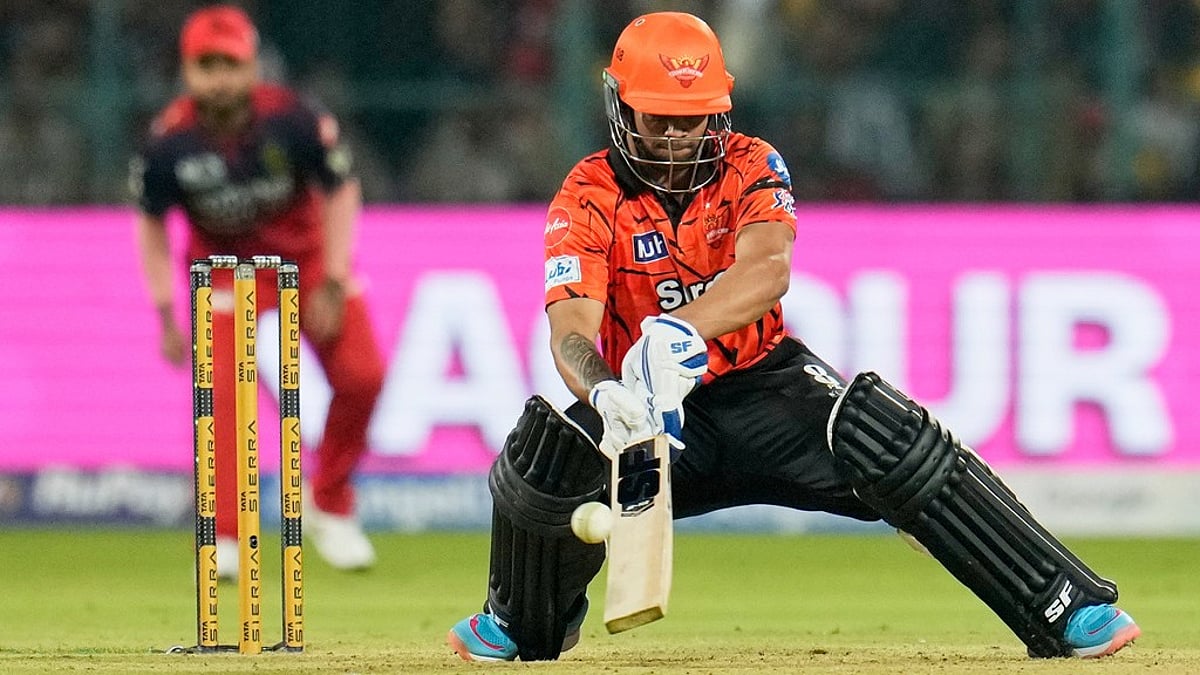
Gill’s position also highlights the strength of Gujarat Titans’ batting resources. With Gill and Sudharsan both exceeding 700 runs, the franchise had two of the three leading run scorers. Their individual statistics can be appreciated separately, but their ability to contribute substantial totals also demonstrates the value of reliable top-order batting within a team.
Sai Sudharsan’s Consistency in the Orange Cap Race
Sai Sudharsan ended the season in third place with 722 runs for Gujarat Titans. His record included a century and eight half-centuries, illustrating his ability to reach important scoring milestones repeatedly. He finished ten runs behind Gill, keeping the battle for second place relatively close in the final standings.
Sudharsan’s campaign illustrates the importance of consistency. A century can produce a major increase in a player’s total, but repeated half-centuries also contribute significantly across a long tournament. When a batter repeatedly reaches 40 or 50 runs, the aggregate can grow steadily even without a century in every other match.
His batting style also demonstrates the value of reading match conditions. Players must adapt to the pace of the pitch, the type of bowling they face, and the number of wickets remaining. An innings that begins cautiously can accelerate later, while a batter may need to change strategy when early wickets fall.
Sudharsan’s 722 runs were enough to place him ahead of several established international players. Although he did not finish as the leading run scorer, his season confirmed that a sustained run of meaningful contributions can place a batter near the top of the leaderboard.
The Gujarat Titans duo also created an interesting dynamic in the award race. Both players accumulated large totals, but their final positions were decided by their individual runs rather than the combined performance of their team. The Orange Cap recognises the highest-scoring individual batter, not the franchise with the most runs from its leading players.
Virat Kohli’s Impact on the IPL 2026 Batting Rankings
Virat Kohli finished fourth with 675 runs for Royal Challengers Bengaluru. His highest score was an unbeaten 105, and his batting average of 56.25 was higher than that of the other three leading run scorers. These figures show how effectively he converted his opportunities into substantial contributions throughout the tournament.
Kohli’s performance provides an interesting comparison with Sooryavanshi’s more aggressive approach. While Sooryavanshi scored at an extraordinary rate, Kohli combined a strong average with a strike rate of approximately 165.84. Both methods can be effective in T20 cricket, depending on the match situation and the batter’s role.
A high batting average often indicates that a player makes meaningful contributions before being dismissed. Remaining unbeaten can also influence this statistic, because an innings in which a batter is not out does not count as a dismissal. Kohli’s unbeaten century demonstrated his ability to contribute a major score while remaining at the crease.
His fourth-place finish also reinforces the distinction between an excellent season and winning the Orange Cap. A batter can produce hundreds, maintain a strong average, and help a team win important matches without finishing as the tournament’s highest run scorer. The award depends on the final aggregate, so every run matters when the standings are close.
Other Batters Who Made the Top Ten
Several other players produced notable seasons and finished among the ten leading run scorers. Their performances highlight the different ways batters can accumulate runs and influence matches.
Heinrich Klaasen scored 624 runs for Sunrisers Hyderabad, finishing fifth. His strike rate of 160.00 reflected an attacking approach, while six half-centuries showed that he regularly produced meaningful innings. Middle-order batters such as Klaasen are often required to accelerate after the opening overs or rebuild following the loss of early wickets.
Ishan Kishan finished sixth with 602 runs at a strike rate of 182.42. His ability to score quickly was a major feature of his campaign. A batter with a high strike rate can help a team increase its scoring pace, particularly when the innings requires immediate acceleration.
KL Rahul accumulated 593 runs for Delhi Capitals, including an unbeaten 152. His highest score was the biggest individual innings among the players in the final top ten. However, his seventh-place finish illustrates that a single outstanding score does not automatically produce the highest season total.
Abhishek Sharma recorded 563 runs at a strike rate of approximately 206.22. His scoring rate stood out among the leading batters, reflecting his aggressive approach. Mitchell Marsh also accumulated 563 runs, although his strike rate was lower at 163.18. Their equal totals demonstrate why run aggregates and scoring efficiency should be evaluated separately.
Jos Buttler completed the top ten with 526 runs for Gujarat Titans. His contribution added to the franchise’s strong representation among the leading run scorers. Although he finished outside the top five, his overall total reflected a productive season in a highly competitive batting environment.
Key Batting Statistics That Explain the Orange Cap Race
The Orange Cap leaderboard becomes more informative when readers understand the statistics behind the rankings. Total runs determine the winner, but supporting measurements reveal the efficiency and style of each batter.
The batting average measures the number of runs scored per dismissal. It is calculated by dividing total runs by the number of times a batter has been dismissed. A high average can indicate that a player consistently makes substantial contributions, although it should be considered alongside the number of matches and innings played.
Strike rate measures the number of runs scored per 100 balls faced. For example, scoring 60 runs from 30 deliveries produces a strike rate of 200. Scoring the same 60 runs from 50 deliveries results in a strike rate of 120. The total runs are identical, but the faster innings contributes more quickly to the team’s overall scoring pace.
The highest score records the batter’s best individual innings in the competition. Centuries and half-centuries show how frequently the player reached important milestones, while fours and sixes indicate the contribution of boundary hitting.
These figures are useful for several reasons. They help fans compare players with similar run totals, understand differences between aggressive and measured batting approaches, and identify batters who repeatedly delivered substantial innings.
Nevertheless, no supporting statistic replaces total runs when determining the Orange Cap winner. A player can have a higher strike rate but a lower aggregate, or a better average but fewer runs overall. The award recognises the batter who finishes with the highest number of runs, regardless of which scoring method produced them.
How the Orange Cap Award Works in IPL
The Orange Cap is presented to the batter who scores the most runs across an IPL season. During the competition, the leading run scorer is associated with the orange cap, and the leaderboard can change as players add to their totals. At the conclusion of the tournament, the player with the highest aggregate receives the award.
The award is separate from the IPL championship. A batter does not need to belong to the winning franchise to receive the Orange Cap, because individual run totals and team results are evaluated independently. A player whose team exits before the final can still win the award if their aggregate remains higher than every other batter’s total.
The award is also not determined by the highest individual score, number of centuries, or strike rate. Those statistics provide additional context, but the overall run total remains decisive.
Fans following the Orange Cap race should pay attention to the date of each published leaderboard. A ranking released during the league stage may differ from the final standings because players can add runs in later fixtures. For accurate season comparisons, the completed tournament figures are the most useful reference.
The final IPL 2026 standings confirmed Sooryavanshi as the winner with 776 runs, ahead of Gill with 732 and Sudharsan with 722. This result reflects the final competition totals rather than an earlier match-day ranking.
How the 2026 Orange Cap Race Compares with Previous Seasons
Comparing Orange Cap winners across different IPL seasons helps place an individual campaign in historical context. The total required to win the award changes from year to year, depending on player performance, match opportunities, playing conditions, and the number of substantial innings produced during the tournament.
In 2025, Sai Sudharsan won the Orange Cap with 759 runs. Sooryavanshi’s 776 runs in 2026 exceeded that total by 17 runs. The comparison shows how high the scoring standard was during the 2026 season.
However, winning totals should not be compared without considering their context. Pitch conditions, bowling quality, team strategies, and the number of opportunities available can vary considerably. A higher aggregate indicates that the winner scored more runs, but it does not automatically prove that every aspect of one season was more favourable to batting.
The historical leaderboard also demonstrates the difference between seasonal awards and career achievements. The Orange Cap recognises performance within a single tournament, whereas career statistics measure a player’s contributions across multiple seasons. A batter may build an outstanding career without winning the award every year.
Sooryavanshi’s campaign stands out because he combined the highest total with an exceptionally high strike rate. His performance offers a useful example of how modern T20 batting rewards players who can score quickly while still accumulating enough runs to lead the competition.
Conclusion
The Orange Cap in IPL 2026 went to Vaibhav Sooryavanshi of Rajasthan Royals, who finished the tournament with 776 runs in 16 matches. His century, five half-centuries, 72 sixes, and strike rate of approximately 237.30 made him the leading run scorer of the season. Shubman Gill finished second with 732 runs, while Sai Sudharsan secured third place with 722 runs.
The final rankings demonstrate that winning the Orange Cap requires more than one memorable innings. Consistent run production, effective batting, and the ability to make the most of available opportunities all contribute to a strong season total. Statistics such as batting average, strike rate, and highest score help explain the performances, but total runs determine the winner.

