


Introduction
The Australia vs India women rivalry has become one of the most compelling contests in international women’s cricket. Both teams have established themselves among the strongest sides in the world, combining experienced campaigners with talented young players. Their meetings regularly attract attention because they offer a fascinating contrast in playing styles, conditions, strategy, and temperament. Australia have traditionally been recognized for their consistency and ability to perform under pressure, while India have developed into a highly competitive team capable of challenging the strongest opponents.
The rivalry has grown significantly over the past decade. India’s expanding domestic cricket structure, the Women’s Premier League, and players gaining experience in overseas competitions have helped narrow the gap. Australia, meanwhile, continue to benefit from a deep domestic system and a long tradition of international success. Recent encounters have demonstrated how closely matched the teams can be, even when the final result favors one side. icc
The Growth of the Australia vs India Women Rivalry
The Australia vs India women contest was once viewed largely as a matchup between an established champion and an emerging challenger. That perception has changed considerably. India have increasingly shown the ability to compete with Australia in all three major formats, producing strong batting performances and developing a more varied bowling attack.
Australia’s experience remains one of their biggest advantages. Their players have spent years competing in major international tournaments and high-pressure knockout matches. India have responded by building greater depth and giving their players exposure to different conditions and high-level competitions. This development has made every Australia-India meeting more unpredictable and meaningful.
The rivalry is also important because it represents two major cricketing nations investing heavily in women’s sport. Their matches attract audiences well beyond traditional cricket followers, helping demonstrate the growing commercial and cultural importance of women’s cricket.
Different Strengths and Playing Styles
One of the most interesting aspects of Australia vs India women matches is the difference in their traditional approaches. Australia have often emphasized aggressive batting, athletic fielding, disciplined bowling, and strong game awareness. Their ability to maintain pressure across an entire innings has been a defining characteristic of their success.
India possess their own distinctive strengths. Their batting lineup can combine classical stroke-making with modern attacking cricket, while their spin resources can become particularly important on slower surfaces. Players such as Smriti Mandhana and Harmanpreet Kaur bring substantial international experience, while younger players add energy and flexibility to the lineup.
The tactical battle therefore becomes extremely important. Australia may attempt to attack early with pace and aggressive field settings, whereas India can look to exploit spin-friendly conditions and build partnerships before accelerating toward the end of an innings.
Batting Has Become a Major Feature
Batting quality is central to the Australia vs India women rivalry. Both teams possess players capable of changing a match within a short period. India’s top order can provide fast starts, while experienced middle-order batters can stabilize an innings when early wickets fall.
Smriti Mandhana has become one of India’s most recognizable international batters. Her timing and ability to score quickly through the off side make her particularly dangerous when she settles into an innings. Harmanpreet Kaur offers another dimension through her power and experience in pressure situations.
Australia have an equally formidable collection of batters. Beth Mooney has consistently demonstrated the ability to construct innings, while Ellyse Perry remains an influential all-rounder with extensive experience. Ashleigh Gardner adds power and versatility, making Australia’s middle order difficult to contain.
The importance of these batters was clear in the 2026 T20 World Cup meeting at Lord’s, when Australia successfully chased India’s 170 for four, reaching 172 for four and winning by six wickets. icc
Bowling and All-Round Balance
While batting attracts much of the attention, bowling often determines the outcome of Australia vs India women matches. Australia have traditionally maintained excellent balance between pace and spin, allowing them to adapt to different venues.
India have also developed a strong bowling group. Spin has been particularly important to their strategy, with players such as Deepti Sharma capable of controlling the middle overs while creating wicket-taking opportunities. India’s pace attack has also gained greater variety, giving the team more options in different conditions.
The all-rounder category provides another fascinating comparison. Australia have several players who can contribute meaningfully with both bat and ball. India have similarly relied on players who can influence multiple phases of a match. This balance is especially valuable in T20 cricket, where a player capable of delivering two or three overs while contributing with the bat can dramatically change team selection and tactical planning.
Memorable Recent Encounters
Recent meetings have added several important chapters to the Australia vs India women story. In February 2026, India defeated Australia in a T20I in Adelaide, demonstrating their ability to challenge the Australian side in its own conditions. Australia then responded strongly in the ODI series, winning all three matches.
The ODI series showed Australia’s dominance with the bat and their ability to control long-format limited-overs games. Australia won the first ODI by six wickets, the second by five wickets, and the third by 185 runs. Cricket Australia
The 2026 T20 World Cup produced another dramatic meeting. India scored 170 for four at Lord’s, with Harmanpreet Kaur making a rapid half-century. Australia then completed a successful chase, with Ellyse Perry and Ashleigh Gardner producing a century partnership. Australia’s six-wicket victory secured top position in the group, while India were eliminated from the tournament. icc
Smriti Mandhana and the Indian Challenge
Smriti Mandhana has become one of the central figures in the Australia vs India women rivalry. Her ability to dominate bowling attacks during the powerplay gives India an important advantage when she gets established.
During the 2026 T20 World Cup, Mandhana entered the Australia match with 167 tournament runs and had also scored 82 against Australia in February. Her performances demonstrate why Australia frequently need an early tactical plan for India’s opening batters. Cricket Australia
For India, Mandhana’s role is not simply about scoring runs. A strong start from her can influence the entire innings by forcing opposition captains to change bowling combinations and field placements. Her partnership with other top-order batters can provide India with the platform needed for an aggressive finish.
Australia’s Experience Under Pressure
Australia’s greatest advantage in the Australia vs India women rivalry may be their experience of high-pressure cricket. Their players have repeatedly appeared in World Cups, finals, knockout matches, and franchise competitions around the world.
That experience becomes particularly valuable when a match reaches a critical stage. Australia have often shown an ability to remain calm when required run rates rise, wickets fall, or opponents create momentum. The 2026 T20 World Cup match at Lord’s was another example. Despite India posting a competitive 170, Australia maintained their chase and reached the target with six wickets remaining. icc
This does not mean India lack experience. Instead, the difference increasingly comes down to how effectively each team converts individual talent into collective performance during decisive moments.
The Role of Young Players
Young cricketers are increasingly important to Australia vs India women matches. Both teams are investing in the next generation, ensuring that their international squads remain competitive as experienced stars eventually move toward retirement.
India’s domestic ecosystem has provided young players with opportunities to compete alongside and against established international names. Australia’s domestic pathway has similarly produced a steady stream of talented cricketers.
This creates an exciting situation for future encounters. Established stars such as Mandhana, Harmanpreet, Perry, Mooney, and Gardner have helped define the current rivalry, but emerging players will determine how it develops over the next several years.
Tactical Battles to Watch
The tactical side of Australia vs India women cricket is often as interesting as the individual performances. Captains must decide when to introduce spin, how aggressively to attack opening batters, and when to use their strongest bowlers.
In T20 cricket, powerplay decisions can be especially important. India may seek to maximize their top-order batting strength early, while Australia can attempt to use disciplined pace and intelligent field settings to restrict scoring.
The middle overs create another battle. Spinners and all-rounders become crucial because they can slow the scoring rate while searching for wickets. The final overs then shift the emphasis toward power hitting, yorkers, slower balls, and fielding quality.
Why This Rivalry Matters
The importance of Australia vs India women extends beyond individual results. These matches showcase the progress of women’s cricket and demonstrate how competitive the international game has become.
Australia’s long-established success provides a benchmark for other nations. India’s rapid development demonstrates what can happen when domestic structures, professional opportunities, media attention, and financial investment combine.
The rivalry also encourages more young girls to view cricket as a serious sporting opportunity. High-profile contests featuring leading international players provide role models and help increase visibility for women’s cricket.
The Future of Australia vs India Women
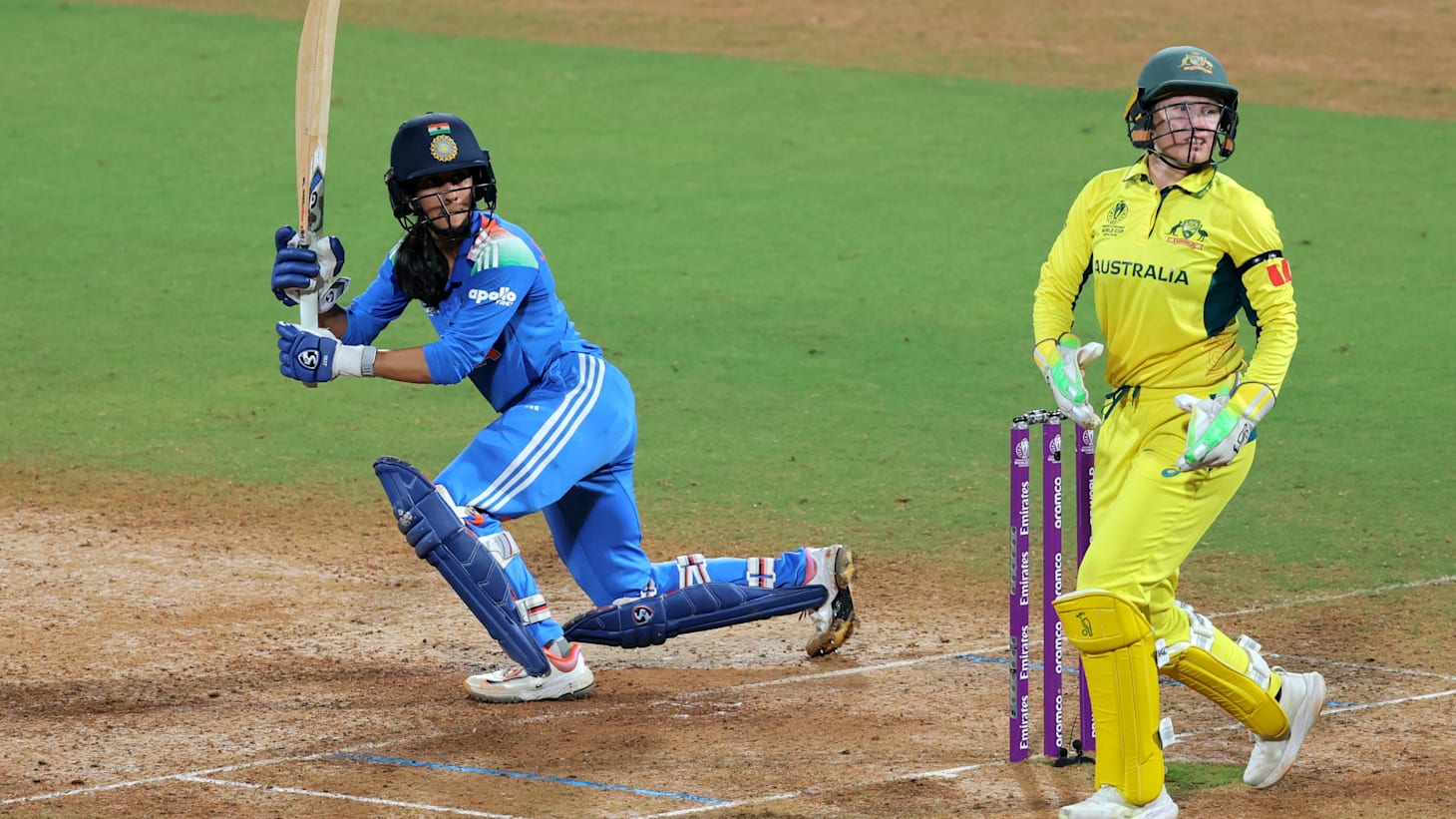
The future of Australia vs India women cricket looks increasingly competitive. India’s growth has narrowed the traditional gap, while Australia continue to possess one of the deepest and most experienced squads in international cricket.
The emergence of franchise competitions has also changed the relationship between players from both countries. Indian and Australian cricketers increasingly encounter one another in professional environments, allowing them to understand each other’s strengths and weaknesses more closely.
This shared experience can make international contests even more tactical. Players know opposing batters personally, understand their preferred shots, and recognize their habits under pressure. As a result, small tactical decisions may increasingly determine the outcome.
Conclusion
The Australia vs India women rivalry represents one of the defining contests in modern women’s cricket. Australia bring a remarkable record of consistency, experience, and big-match confidence, while India offer a rapidly developing team with exceptional batting talent, strong spin options, and an increasingly competitive mindset.
Recent matches have shown that India can challenge Australia, even though Australia continue to hold significant advantages in major contests. Their 2026 encounters provided contrasting results, with India winning a T20I in February before Australia dominated the subsequent ODI series and later won their T20 World Cup meeting at Lord’s. Cricket Australia
As women’s cricket continues to expand globally, this rivalry is likely to become even more significant. The combination of experienced stars, emerging talent, tactical innovation, and passionate supporters ensures that future Australia-India encounters will remain among the most anticipated fixtures on the international calendar.

