

Introduction
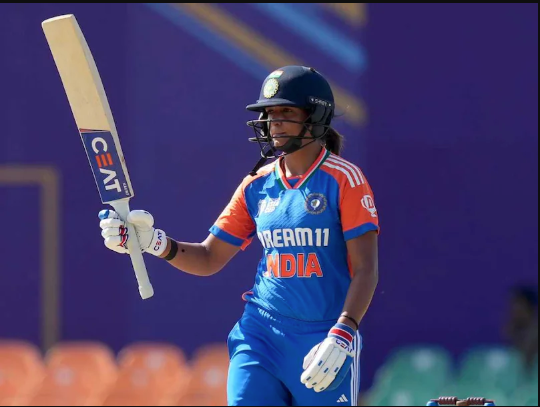
The Australia vs India women cricket rivalry has become one of the most closely followed contests in international women’s cricket. Both teams have produced memorable matches across Tests, One-Day Internationals (ODIs), and T20 Internationals (T20Is), with the rivalry becoming particularly significant at major ICC tournaments. Australia have traditionally been one of the strongest teams in women’s cricket, while India have steadily developed into a highly competitive international side. Their encounters now regularly feature high-quality batting, disciplined bowling, athletic fielding, and intense competition.
Recent meetings have added several important chapters to this rivalry. In 2025, India defeated Australia in an ODI during the series in India and later defeated them in the Women’s Cricket World Cup semi-final. Australia, meanwhile, recorded important victories against India in other matches during 2025 and 2026. These contrasting results demonstrate how competitive the matchup has become and why Australia vs India women fixtures attract considerable attention from cricket followers.
The History of Australia and India Women’s Cricket
Australia and India have been competing in women’s international cricket for decades. Australia established a strong record in global women’s cricket through consistent performances across generations, while India’s women’s team gradually expanded its international presence and developed a deeper pool of talented players.
The rivalry has evolved as India’s performances against established teams have improved. Earlier contests often reflected Australia’s greater experience and consistency, but India’s progress has produced increasingly competitive encounters. The growth of women’s cricket in India, combined with greater professional opportunities and domestic competitions, has helped Indian players gain experience against leading international opponents.
Today, an Australia vs India women match can involve very different tactical situations depending on the format. ODIs reward building long innings and maintaining bowling discipline, while T20Is demand rapid decision-making and aggressive execution. Tests require patience, endurance, and adaptability over several days.
Recent ODI Battles
The ODI format has produced some particularly notable contests between these teams. During Australia’s tour of India in September 2025, Australia won the first ODI, India responded with a 102-run victory in the second match, and Australia won the third ODI. The second match was especially significant because it gave India their first home ODI victory over Australia since 2007. icc
The teams then met during the 2025 Women’s Cricket World Cup. Australia defeated India by three wickets after successfully chasing 331, with Alyssa Healy scoring 142 from 107 deliveries. The result was notable because Australia completed the highest successful chase in women’s ODI history at that time.
These matches demonstrate the changing nature of Australia vs India women ODI cricket. Both teams have shown the ability to produce large totals, chase difficult targets, and recover from challenging situations.
A Memorable World Cup Semi-Final
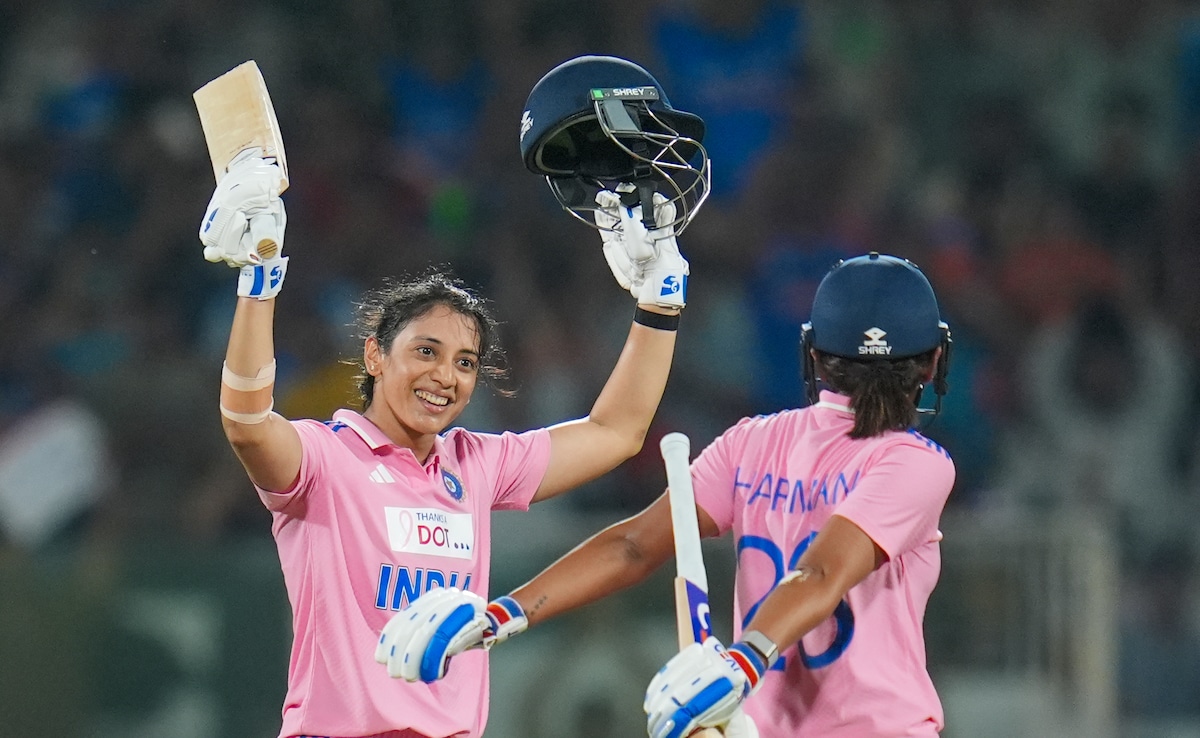
One of the most important recent meetings came in the 2025 Women’s Cricket World Cup semi-final. Australia scored 339 after Phoebe Litchfield made a century, creating a substantial target for India. Instead of allowing the pressure of a knockout match to dictate the chase, India produced a remarkable response.
Jemimah Rodrigues scored an unbeaten 127 from 134 deliveries as India chased the target successfully. India reached 341 for five and won by five wickets, securing a place in the World Cup final. The result was particularly significant because India had previously reached the Women’s Cricket World Cup final in 2005 and 2017. icc
The semi-final demonstrated how quickly momentum can change in an Australia vs India women contest. Australia appeared to have established control after posting 339, but India’s batting performance transformed the match.
T20I Competition
T20 cricket brings another dimension to the rivalry. The shorter format places greater emphasis on power hitting, bowling variations, fielding standards, and rapid tactical decisions.
During Australia’s tour of India in February 2026, the teams played three T20Is. India won the opening match under the DLS method, Australia won the second by 19 runs, and India won the third by 17 runs. India therefore took the T20I series 2–1.
The 2026 T20 World Cup provided another major meeting. Australia defeated India by six wickets at Lord’s after India scored 170 for four and Australia reached 172 for four.
These results highlight how closely the teams can compete in T20 cricket, where a few overs can completely alter the direction of a match.
Test Cricket Adds Another Dimension
Although women’s Test cricket is played much less frequently than ODIs and T20Is, it offers a different test of team depth and adaptability. Australia and India also met in a one-off Test in Perth in March 2026.
Australia won that Test by 10 wickets. India were dismissed for 198 in the first innings and 149 in the second, while Australia successfully completed the chase after taking a substantial first-innings advantage.
The Test format requires players to manage changing conditions over multiple days. Batters need to construct long innings, while bowlers must maintain accuracy and endurance. Consequently, an Australia vs India women Test provides a very different tactical experience from their fast-paced T20 encounters.
Important Players in the Rivalry
Several players have made significant contributions to recent matches between the teams. Australia’s Alyssa Healy has been particularly influential in major contests, including her 142-run innings during the 2025 World Cup match. Ellyse Perry and Ashleigh Gardner have also played important all-round roles for Australia. icc
For India, Smriti Mandhana remains an important top-order batter, while Jemimah Rodrigues produced one of the defining innings of the rivalry with her unbeaten century in the 2025 World Cup semi-final. Indian bowlers such as Deepti Sharma and Kranti Gaud have also delivered important performances against Australia.
The changing generation of players means the rivalry continues to develop. Younger cricketers are increasingly contributing alongside established international stars, creating greater depth on both sides.
Batting Strategies and Match Situations
Batting has often been central to Australia vs India women contests. Both sides possess players capable of building substantial innings, but their approaches can vary according to the format and match conditions.
In ODIs, opening partnerships are especially valuable because they establish a platform for the middle order. A strong start allows teams to preserve wickets while maintaining a healthy scoring rate. In T20 cricket, however, teams often have less time to recover from a slow beginning, making powerplay scoring particularly important.
The 2025 World Cup match illustrated the importance of batting depth. Australia successfully chased 331 after losing wickets during the middle and later stages, while India’s semi-final victory showed that a large target can still be chased when batters maintain partnerships and control the required run rate.
Bowling and Fielding Remain Crucial
While batting often receives the most attention, bowling and fielding can determine the outcome of major matches. Australia’s bowling attack has regularly included fast bowlers, seamers, spinners, and versatile all-rounders. India have also developed a varied attack featuring experienced spinners and emerging pace options.
The 2025 World Cup meetings offered clear examples. Annabel Sutherland claimed five wickets for 40 runs when Australia bowled India out for 330 in the group-stage encounter. In the semi-final, however, India successfully restricted Australia’s ability to convert another large total into victory. icc
Fielding is equally important because close contests can be decided by catches, run-outs, boundary saves, and athletic stops. At the highest level, even a single missed opportunity can influence the final result.
The Changing Competitive Landscape
The Australia vs India women rivalry reflects the broader development of women’s cricket. Australia continue to possess extensive experience in international tournaments, while India have expanded their competitive strength considerably.
India’s success in the 2025 Women’s Cricket World Cup was particularly important in this development. Their semi-final victory over Australia was followed by their maiden Women’s Cricket World Cup title, according to the ICC. icc
At the same time, Australia’s continued victories in bilateral and tournament cricket demonstrate their ability to compete across formats. The contrasting results between the teams show that neither side can rely solely on previous records when approaching a new match.
Why the Rivalry Matters to Women’s Cricket
High-profile matches between Australia and India help increase interest in women’s cricket internationally. India has an enormous cricket audience, while Australia has a long-established women’s cricket structure and strong international record. When these teams meet, the contest attracts attention from fans who follow different formats and competitions.
The rivalry also gives emerging players valuable opportunities to perform under pressure. A young cricketer who succeeds against a highly experienced opponent can gain confidence and establish a place in international cricket.
As women’s cricket continues to grow through domestic leagues, international tournaments, and improved professional structures, contests such as Australia vs India women are likely to remain important parts of the international calendar.
Conclusion
The Australia vs India women rivalry has developed into a compelling part of modern international cricket. Recent ODI, T20I, and Test matches have produced contrasting results, memorable individual performances, large totals, successful chases, and dramatic changes in momentum.
Australia bring considerable international experience and a strong record across formats, while India have demonstrated their ability to challenge and defeat Australia in important matches. The 2025 World Cup semi-final and the subsequent 2026 meetings showed that every new contest can create a different story.
With talented players on both sides and women’s cricket continuing to expand globally, future Australia vs India women matches should provide plenty of opportunities for new performances, tactical battles, and memorable cricket moments.

