

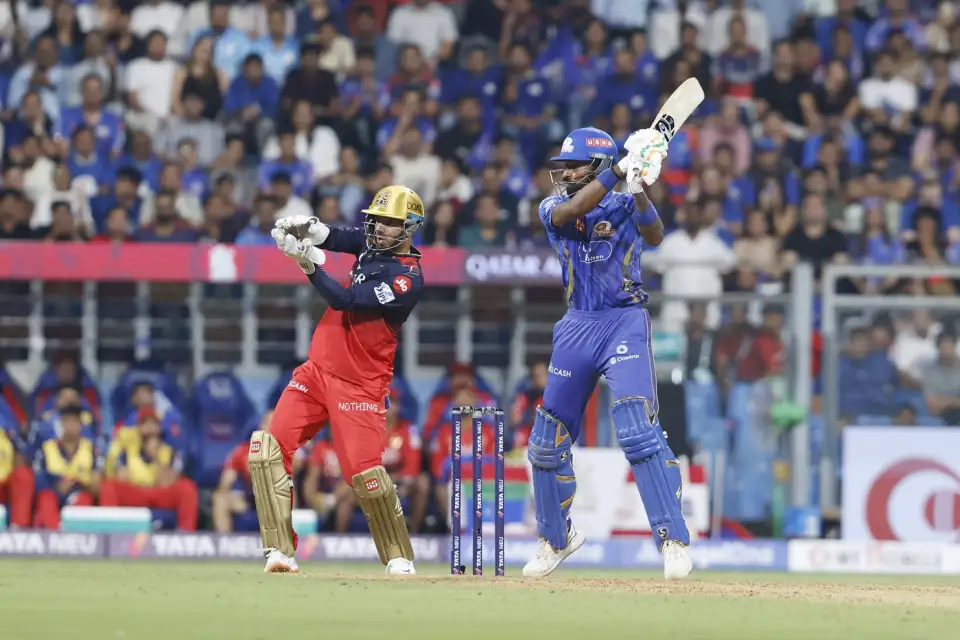
The Royal Challengers Bengaluru (RCB) and Kolkata Knight Riders (KKR) have developed one of the most entertaining rivalries in the Indian Premier League (IPL). Since the tournament began in 2008, their meetings have produced remarkable batting performances, dramatic finishes, unexpected results and memorable moments for cricket fans. Both teams have featured international stars, emerging Indian players and experienced match-winners who have helped shape the history of this contest.
The royal challengers bengaluru vs kolkata knight riders timeline reflects the changing character of the IPL over the years. RCB have traditionally attracted attention for their powerful batting line-ups, while KKR have built successful campaigns around aggressive cricket, tactical bowling and strong team combinations. Their encounters have included high-scoring contests, dominant victories and matches in which individual performances changed the outcome. Examining this rivalry chronologically helps explain how both franchises have evolved and why their clashes remain important fixtures on the IPL calendar.
2008: The Beginning of the Rivalry
The inaugural IPL season in 2008 established the foundation for the RCB-KKR rivalry. Kolkata Knight Riders, led by Sourav Ganguly, entered the competition with significant attention because of their high-profile squad. Royal Challengers Bengaluru, representing Karnataka’s capital, also attracted interest with a team featuring prominent international and Indian cricketers.
Their opening encounter became one of the most memorable matches of the inaugural season. KKR produced a spectacular batting display, with Brendon McCullum delivering an extraordinary unbeaten century. His explosive innings helped Kolkata post a massive total and established the team’s attacking identity early in the tournament. RCB struggled to match the scoring rate and suffered a heavy defeat.
The result made the fixture instantly memorable and demonstrated how quickly a single performance could influence an IPL rivalry. McCullum’s innings remains closely associated with the tournament’s opening night, while the match established KKR as a team capable of producing exceptional power-hitting performances. For RCB, it became an early lesson in the challenges of defending against an aggressive opposition.
2009: A New Chapter in South Africa
The second IPL season took place in South Africa, creating unfamiliar conditions for every franchise. Different pitches, weather patterns and travel demands required teams to adapt their strategies. RCB and KKR approached the season with the challenge of finding consistent combinations away from their usual home environments.
Royal Challengers Bengaluru made significant progress during the tournament and reached the final, demonstrating improved balance and greater consistency. Kolkata, meanwhile, experienced difficulties in maintaining winning momentum. Their meetings during this period formed part of a season in which RCB began establishing themselves as a more competitive IPL side.
The 2009 campaign also highlighted the importance of bowling discipline and adaptable batting plans. Teams could not rely exclusively on familiar home conditions, and players had to adjust their shot selection and line-and-length strategies. Although the season did not settle the rivalry permanently, it contributed to the broader development of both franchises and increased expectations surrounding their future encounters.
2010–2012: Competitive Encounters and Changing Squads
Between 2010 and 2012, both franchises continued to reshape their squads through player auctions, transfers and changes in leadership. RCB benefited from major batting talents, including Virat Kohli, while KKR gradually assembled a more balanced side capable of competing consistently across different conditions.
The rivalry became increasingly tactical as teams learned more about each other’s strengths. RCB often depended on influential batting performances to establish competitive totals, whereas KKR worked to combine aggressive stroke play with effective spin and pace bowling. Individual match-ups between top-order batters and experienced bowlers became important features of their contests.
Kolkata’s championship-winning campaign in 2012 was a major milestone in the franchise’s development. Under Gautam Gambhir’s leadership, KKR won their first IPL title and demonstrated the value of team balance, clear roles and consistent performances. RCB remained dangerous opponents, particularly when their leading batters found rhythm, but Kolkata’s growing confidence strengthened the competitive nature of future meetings.

2013–2015: Star Players and Tactical Battles
The seasons from 2013 to 2015 brought additional attention to the rivalry as both teams continued to feature recognised international players. RCB’s batting reputation grew around Virat Kohli, AB de Villiers and Chris Gayle, whose different styles offered the team several ways to accelerate an innings. Their ability to build partnerships or attack from the beginning made RCB difficult to predict.
KKR, meanwhile, developed a team identity based on aggressive intent and tactical flexibility. Gautam Gambhir provided leadership and stability at the top of the order, while players such as Sunil Narine became important to the bowling attack. Narine’s variations and control made him a difficult opponent for batters looking to dominate the middle overs.
These seasons illustrated that the rivalry was about more than individual star power. Captains had to make decisions about bowling changes, field placements, batting order and the timing of attacking shots. Small tactical advantages could decide matches, particularly when either side entered the final overs needing a rapid scoring burst or several wickets.
2016: RCB’s Memorable Run
The 2016 season was a landmark year for Royal Challengers Bengaluru. Led by Virat Kohli, RCB produced an outstanding campaign featuring extraordinary batting performances. Kohli enjoyed one of the greatest individual seasons in IPL history, while AB de Villiers repeatedly demonstrated his ability to change games through innovative and powerful stroke play.
RCB reached the final but ultimately finished as runners-up. Although the team did not secure the championship, its attacking cricket made the season unforgettable for supporters. Matches against KKR during this period formed part of the broader story of RCB’s push for their first IPL title.
For Kolkata, facing RCB required careful planning because the Bengaluru batting line-up could accelerate dramatically. Bowlers had to vary their pace, protect boundary areas and avoid predictable lengths. The season reinforced the importance of restricting scoring opportunities during the middle overs rather than relying solely on wickets at the beginning or end of an innings.
2017–2019: KKR’s Consistency and RCB’s Rebuilding
From 2017 to 2019, KKR continued to compete for playoff positions, while RCB experienced periods of inconsistency and squad rebuilding. Kolkata reached the playoffs in 2017 and 2018, benefiting from contributions across their batting and bowling units. Their ability to use different players for different match situations remained a defining feature.
RCB continued to rely on experienced players, including Kohli and de Villiers, while looking for greater consistency from the rest of the squad. Individual brilliance sometimes produced competitive totals, but sustained team performance remained a challenge. These differences made their meetings interesting because the outcome could depend on whether RCB’s leading batters gained early momentum or KKR’s bowling attack controlled the innings.
The period also highlighted the influence of team selection. A successful IPL side needs more than a few high-profile names; it requires dependable middle-order contributions, effective death bowling and players who can adapt to changing match conditions. Both franchises continued to refine their strategies in preparation for the seasons ahead.
2020–2021: Matches in a Changed Environment
The 2020 IPL was played in the United Arab Emirates because of the COVID-19 pandemic. Teams competed in bio-secure conditions, with matches held away from their usual home grounds. The altered environment placed additional emphasis on squad depth, preparation and the ability to adjust to different pitches.
RCB qualified for the playoffs in 2020, showing improved competitiveness, while KKR also remained involved in the race for qualification. Their encounters demonstrated how important bowling combinations and middle-over control could be on surfaces that did not always reward unrestricted hitting.
In 2021, the competition was disrupted and eventually resumed in the UAE after the first phase in India. KKR made a remarkable late-season surge and reached the final, although Chennai Super Kings won the championship. RCB also qualified for the playoffs but did not reach the final. These campaigns showed that momentum can change quickly during an IPL season and that strong finishes are often as important as early victories.
2022–2023: A New Era of Team Development
The 2022 mega auction introduced substantial squad changes across the IPL. Franchises had to rebuild their combinations, identify new leaders and distribute their budgets carefully. RCB retained important players and reached the playoffs in 2022, while KKR worked to establish a consistent combination after making several squad changes.
The 2023 season continued this process of adaptation. RCB’s batting remained a major attraction, with Kohli and other established players contributing important performances. KKR sought greater consistency through a mix of experienced players and emerging talent. Their contests demonstrated the importance of adapting plans to the opposition rather than relying on a single style of cricket.
These seasons also reinforced the influence of modern T20 tactics. Teams increasingly considered match-ups, boundary dimensions, left-right batting combinations and specialist roles when planning their innings. For fans following the royal challengers bengaluru vs kolkata knight riders timeline, this phase represents a period of tactical evolution rather than a rivalry defined by only one or two famous games.
2024: KKR’s Championship Season and a Historic RCB Win
The 2024 IPL season added two important chapters to this rivalry. Kolkata Knight Riders won the championship under Shreyas Iyer’s captaincy, supported by aggressive batting, effective bowling and a strong team structure. Their overall campaign demonstrated the value of maintaining pressure throughout a tournament.
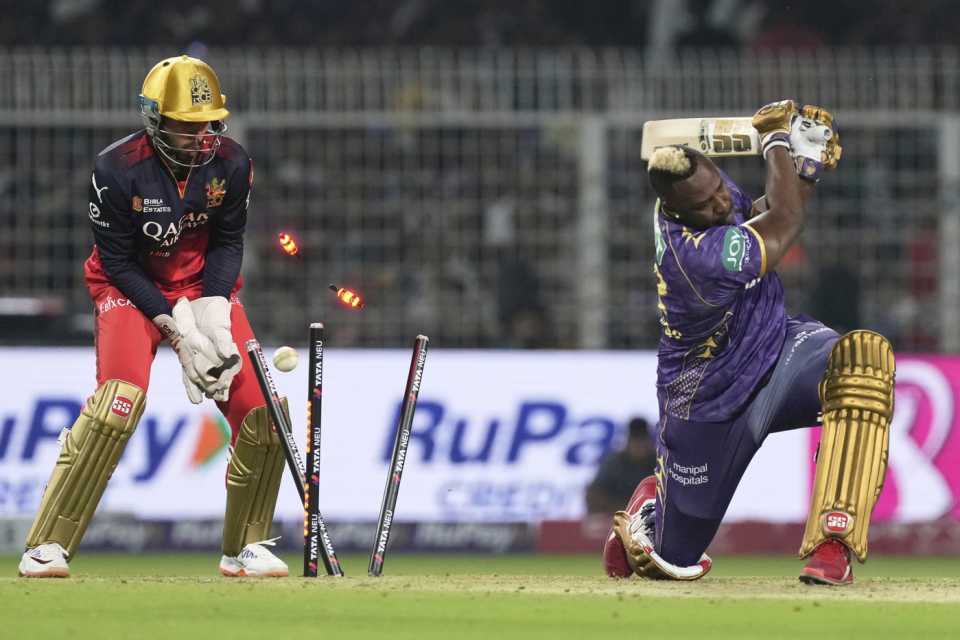
One of the season’s most remarkable RCB-KKR encounters came in Bengaluru, where Kolkata chased down RCB’s total of 182 with ease, winning by seven wickets in just 16.5 overs. Sunil Narine and Phil Salt provided a fast start, and Venkatesh Iyer helped complete the chase.
The return meeting in Kolkata produced an extraordinary finish. RCB scored 221 for 10, and KKR replied with 222 for 6, winning by one run. The contest featured a dramatic late phase, with RCB nearly completing a successful chase before KKR held on. These contrasting results demonstrated how a rivalry can deliver both dominant performances and tense finishes within the same season.
2025: A Historic Championship for RCB
The 2025 season became a landmark in Royal Challengers Bengaluru’s history. RCB won their first IPL title, ending a long wait for a championship after years of near misses and playoff appearances. Their success reflected a balanced campaign, effective leadership and important contributions from players across the squad.
KKR entered the season as defending champions and sought to maintain their competitive standards after the previous year’s triumph. Their meetings with RCB formed part of a season in which the Bengaluru franchise finally converted its long-standing ambition into a title.
The significance of 2025 goes beyond a single result. For RCB supporters, the championship changed the emotional context of the franchise’s history. For KKR, the season presented the challenge that follows any title-winning campaign: maintaining performance while opponents study the team’s strengths. The rivalry therefore continued to evolve, with both teams carrying different expectations into future IPL seasons.
Key Moments in the RCB vs KKR Timeline
The following table summarises important milestones in the rivalry. It highlights major seasons and defining events rather than presenting a complete match-by-match record.
| Year | Major event | Significance |
|---|---|---|
| 2008 | Brendon McCullum’s unbeaten 158 in the opening IPL match | Established KKR’s explosive start |
| 2009 | IPL played in South Africa | Tested teams in unfamiliar conditions |
| 2012 | KKR won their first IPL title | Confirmed Kolkata’s rise as champions |
| 2016 | RCB reached the IPL final | Marked a remarkable batting season |
| 2020 | IPL held in the UAE | Introduced a different competitive environment |
| 2021 | KKR reached the final | Showed the value of a late-season surge |
| 2024 | KKR won two contrasting games against RCB | Included a dominant chase and a one-run thriller |
| 2025 | RCB won their first IPL title | Marked a historic franchise milestone |
Players Who Have Shaped the Rivalry
Several players have played important roles in defining RCB-KKR contests. Their influence has come through powerful batting, effective bowling, leadership and the ability to perform under pressure.
- Virat Kohli: A central figure in RCB’s batting for many seasons, known for consistency, intensity and run-scoring ability.
- AB de Villiers: Famous for innovative stroke play and the ability to accelerate an innings against almost any bowling attack.
- Chris Gayle: One of the most destructive T20 batters to represent RCB, capable of changing a match with a short burst of hitting.
- Brendon McCullum: Remembered for his extraordinary 2008 innings that helped define the opening night of the IPL.
- Gautam Gambhir: An influential KKR captain whose leadership helped the franchise win championships in 2012 and 2014.
- Sunil Narine: A versatile player whose bowling variations and later batting contributions have made him an important part of KKR’s success.
- Andre Russell: Known for powerful hitting and useful bowling, offering KKR an explosive all-round option.
Their performances illustrate how the rivalry has evolved from early individual brilliance into a contest shaped by complete team combinations and specialist roles.
What Makes RCB vs KKR Matches Special?
The appeal of these matches comes from the contrast between the teams’ strengths and the unpredictable nature of T20 cricket. RCB have often attracted attention for their powerful top order, while KKR have repeatedly demonstrated the value of aggressive batting combined with varied bowling options. When these approaches meet, the contest can change rapidly.
A strong powerplay can create an advantage, but it rarely guarantees victory. Middle-order partnerships, spin bowling, death-over execution and fielding often determine the final result. A team that loses early wickets may recover through a late partnership, while a side that starts quickly can struggle if the opposition takes wickets at the right time.
The royal challengers bengaluru vs kolkata knight riders timeline also shows how franchise cricket connects players, tactics and supporters across different generations. Long-serving stars have built lasting memories, while newer players have brought fresh energy to the contest. This combination of history and constant change keeps the fixture relevant every season.
Conclusion
The rivalry between Royal Challengers Bengaluru and Kolkata Knight Riders has grown alongside the IPL itself. From Brendon McCullum’s historic 2008 innings to KKR’s championship campaigns and RCB’s long-awaited title in 2025, the contest has featured remarkable performances and major turning points. Each period has introduced new players, strategies and expectations, ensuring that the rivalry never remains static.
For cricket fans, the royal challengers bengaluru vs kolkata knight riders timeline provides a useful way to understand the development of two major IPL franchises. Their encounters demonstrate the importance of teamwork, tactical flexibility and individual brilliance in T20 cricket. As future seasons introduce new combinations and emerging stars, RCB versus KKR is likely to remain a compelling fixture for supporters who enjoy close finishes, big scores and memorable IPL moments.

