


Introduction
Women’s cricket has grown rapidly in popularity, and few contests attract as much attention as australia vs india women. The two teams represent different cricketing traditions but share a strong competitive spirit, producing memorable encounters across Tests, One-Day Internationals and T20 cricket. Australia have traditionally been one of the strongest sides in international women’s cricket, while India have developed into a major force with a deep pool of talented players. Their meetings often combine aggressive batting, disciplined bowling, athletic fielding and tactical battles.
The rivalry has become particularly interesting because India have increasingly challenged Australia in important tournaments and bilateral series. Recent encounters have shown how closely elite women’s cricket can be contested, even when Australia eventually gain the advantage. In 2026, the teams met across several formats, including ODIs, a Test and the Women’s T20 World Cup. These matches have added another chapter to an already fascinating cricketing relationship.
The Growth of Australia and India Women’s Cricket
The development of women’s cricket in both countries has been significant. Australia built a highly successful structure around domestic competitions, professional contracts and international preparation, allowing players to develop consistency across formats. Their system has produced generations of world-class cricketers capable of performing under pressure. Players such as Ellyse Perry, Beth Mooney and Ashleigh Gardner have become important figures in Australia’s modern cricket identity.
India’s women’s cricket structure has also expanded considerably. Greater domestic opportunities, professional leagues and increased public interest have helped create a stronger pathway for talented players. Indian batters have become increasingly confident against high-quality bowling, while the country has also produced versatile all-rounders and promising young bowlers. As a result, australia vs india women is no longer simply a contest between an established champion and an emerging challenger. It has become a meeting between two ambitious teams with the ability to influence major tournaments.
A Contest Across Different Formats
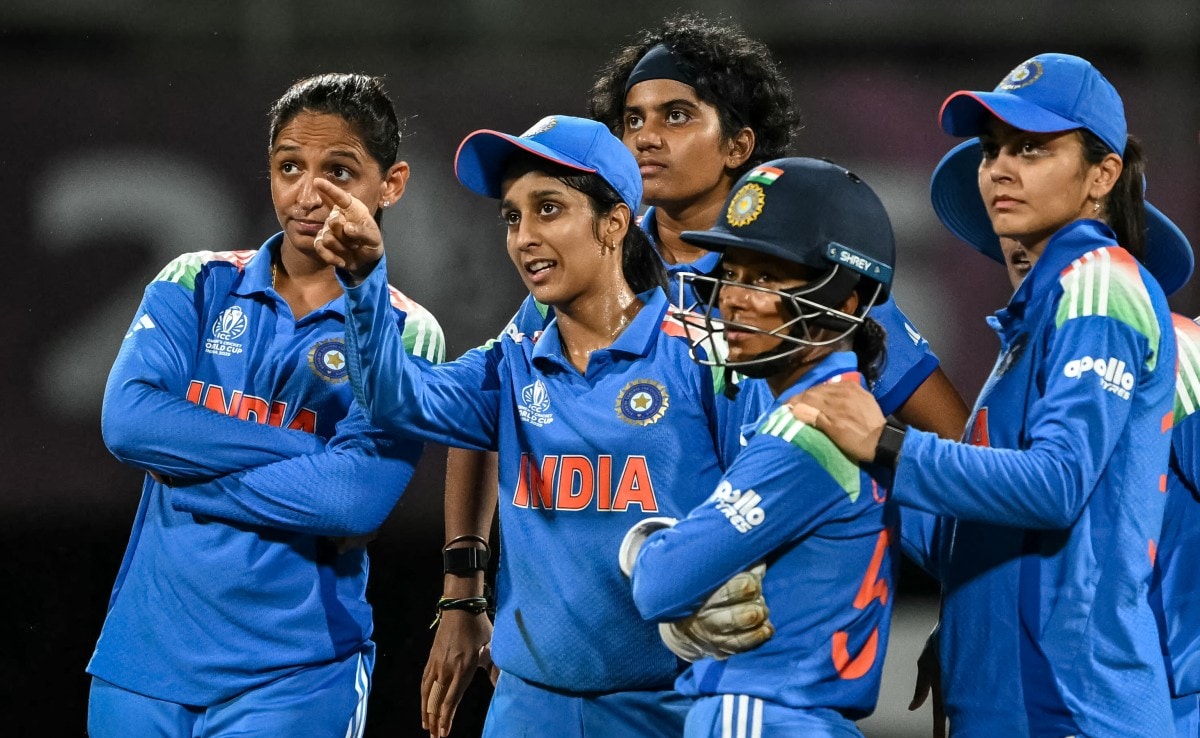
One reason this rivalry remains compelling is the difference between the three major formats. Test cricket requires patience, concentration and adaptability, while ODIs demand a balance between building an innings and maintaining scoring pressure. T20 cricket is more immediate, with matches often determined by small moments, power hitting and tactical bowling changes.
The teams have experienced very different outcomes depending on the format. In March 2026, Australia defeated India by 10 wickets in the one-off Test at Perth after restricting India to 198 and 149 in their two innings. The ODI series that followed also belonged to Australia, who won all three matches. Australia won the first ODI by six wickets, the second by five wickets and the third by 185 runs. These results demonstrate Australia’s consistency, particularly when conditions demand discipline over longer periods.
India’s Batting Strength
India’s greatest advantage is often the quality and variety of their batting. The team has players capable of controlling an innings while also accelerating rapidly when the situation demands it. Experienced batters provide stability, while younger players can introduce energy and attacking intent. Smriti Mandhana has become one of the recognizable names in international women’s cricket, while Harmanpreet Kaur has played an important leadership role over many seasons.
India demonstrated their batting potential during the 2025 ODI series against Australia. In the Delhi decider, Smriti Mandhana scored 125 while Australia posted 412, with Beth Mooney making 138. India eventually finished 43 runs short despite a determined chase. Such performances show why australia vs india women matches can become high-scoring spectacles. India may face difficult periods against Australia’s bowling attack, but their batting lineup has enough ability to turn a match around quickly.
Australia’s Balanced Team
Australia’s strength comes from balance. Their teams generally combine dependable opening batters, experienced middle-order players, versatile all-rounders and multiple bowling options. This allows the captain to adapt to changing match situations without becoming overly dependent on one player.
Ellyse Perry remains an important example of Australia’s all-round capabilities. During the 2026 Women’s T20 World Cup meeting with India at Lord’s, Perry scored 56 from 38 deliveries, while Ashleigh Gardner remained unbeaten on 53 from 29 balls. Australia chased India’s 170/4 by reaching 172/4 in 19 overs. The performance demonstrated how Australia’s experienced players can absorb pressure before producing an aggressive finish.
The 2026 T20 World Cup Battle
The 2026 Women’s T20 World Cup meeting at Lord’s was particularly important because the result had major consequences for the tournament. India posted 170/4 after winning the toss and choosing to bat. Australia responded with a confident chase and reached 172/4 in 19 overs, winning by six wickets.
The result also ended India’s hopes of reaching the semi-finals, while Australia progressed as Group A winners. Perry and Gardner were central to Australia’s chase, combining experience with attacking stroke play. For India, the match showed both promise and frustration. Their total gave them a competitive platform, but Australia’s middle order managed the chase exceptionally well. This is one of the defining characteristics of australia vs india women contests: India can create pressure, but Australia often find ways to remain composed when the match reaches its most demanding stage.
Key Players Who Shape the Rivalry
Individual performances frequently determine the direction of this rivalry. For Australia, Ellyse Perry brings experience and versatility, Beth Mooney provides dependable batting and Ashleigh Gardner offers both powerful hitting and useful bowling options. Their ability to contribute in multiple areas gives Australia additional flexibility.
India have their own group of influential players. Smriti Mandhana can provide rapid starts, Harmanpreet Kaur brings experience and power in the middle order, and Deepti Sharma offers valuable all-round skills. India’s bowling attack can also create problems when conditions support swing, seam or spin. The presence of established stars alongside younger players gives India a combination of experience and potential.
The importance of these players becomes even greater during close matches. A single partnership, spell or fielding moment can change the result. Consequently, supporters following australia vs india women often focus not only on the final score but also on which individual players manage pressure most effectively.
Why Australia Have Often Held the Advantage
Australia’s long-term success can be linked to several factors. Their players are accustomed to high-pressure international matches, and many have extensive experience in domestic professional cricket and major T20 competitions. The team also tends to maintain a strong batting depth, meaning the loss of an early wicket does not necessarily cause a collapse.
Another advantage is tactical flexibility. Australia can alter their bowling plans depending on the batter, pitch and match situation. Their fielding standards are also consistently high, helping them save runs and create wicket-taking opportunities. These small advantages can become decisive in international cricket.
India, however, have shown that the gap is not permanent. Their players have gained more experience against elite opponents, and the team’s performances in major tournaments have improved. The continuing development of domestic women’s cricket in India could produce even greater depth in the coming years.
Memorable High-Scoring Encounters
Some of the most entertaining matches between these sides have featured extraordinary batting performances. The 2025 ODI decider in Delhi was an excellent example. Australia scored 412, matching their joint-best total in women’s ODIs, while India attempted a huge chase. Mandhana’s 125 gave India genuine hope, but Australia eventually secured a 43-run victory.
Such matches demonstrate the changing nature of women’s cricket. Batters are increasingly confident about attacking from the beginning, while teams are prepared to chase totals that once appeared unrealistic. The result is a more dynamic style of cricket that attracts both traditional supporters and newer audiences.
The Importance of Young Players
The future of this rivalry will depend heavily on emerging talent. Australia continue to introduce young players who can perform alongside established stars, while India have a large cricketing ecosystem capable of producing new prospects. Young cricketers gain invaluable experience when they face opponents with international reputations.
Recent matches have already included several developing players alongside experienced names. This blend creates a competitive environment in which young cricketers can learn how to handle pressure, travel demands and tactical challenges. For fans, it also creates an opportunity to follow future stars from the beginning of their international careers.
The next generation could make australia vs india women even more competitive. As players become more comfortable in international conditions, India’s ability to challenge Australia’s established structure could grow significantly.
What Makes This Rivalry Special?
The rivalry is special because it combines contrasting cricket cultures with a shared commitment to high-level performance. Australia bring a history of sustained success and a strong professional system. India bring enormous cricketing passion, an expanding player pathway and a growing reputation on the international stage.
Matches between the sides also attract considerable attention because both teams have recognizable stars. Supporters can identify with individual players while also following the broader battle between two cricketing nations. Whether the match is a Test requiring patience or a T20 requiring rapid decisions, the contest usually contains several tactical storylines.
Another important feature is unpredictability. Australia may enter as favorites, but India possess enough batting and bowling quality to create serious pressure. This balance ensures that the rivalry remains relevant across generations.
The Road Ahead
The future of this contest looks promising. Both teams have strong domestic foundations, experienced international players and a new generation waiting for opportunities. Australia’s challenge will be maintaining their high standards while continually refreshing their squad. India’s challenge will be converting promising performances into greater consistency against the strongest opponents.
The 2026 results underline Australia’s current advantage. They won the three-match ODI series against India 3-0, followed by a 10-wicket Test victory, and later defeated India by six wickets in the Women’s T20 World Cup. Yet individual matches have also demonstrated India’s ability to compete with quality batting and determined bowling spells.
For that reason, future encounters should not be judged only by recent results. Women’s cricket continues to evolve quickly, and a young player can become a match winner within a short period. India’s growing depth could make upcoming contests increasingly difficult for Australia.
Conclusion
The australia vs india women rivalry has developed into one of the most interesting contests in international women’s cricket. Australia currently possess the stronger record and have demonstrated impressive consistency across formats, while India continue to develop a squad capable of challenging the world’s best. Recent matches have produced dominant Australian victories as well as moments of individual brilliance from Indian players.
What makes the rivalry valuable is its potential for growth. Australia’s established excellence provides a benchmark, while India’s progress adds competition and excitement. With professional opportunities expanding and young players receiving greater exposure, the standard of women’s cricket should continue to rise. Future Australia-India encounters are therefore likely to remain highly anticipated, offering supporters competitive cricket, outstanding individual performances and new chapters in an evolving international rivalry.

